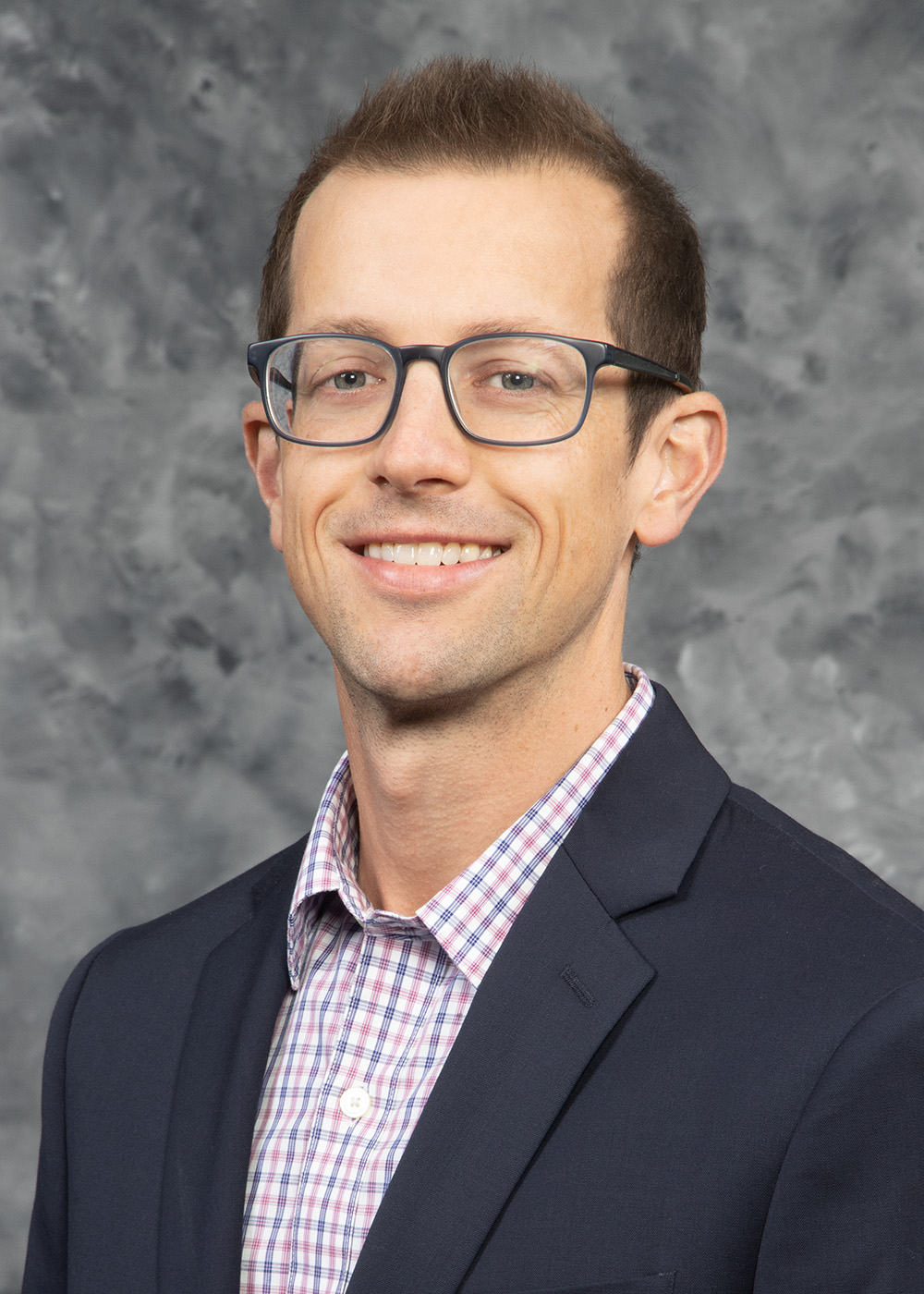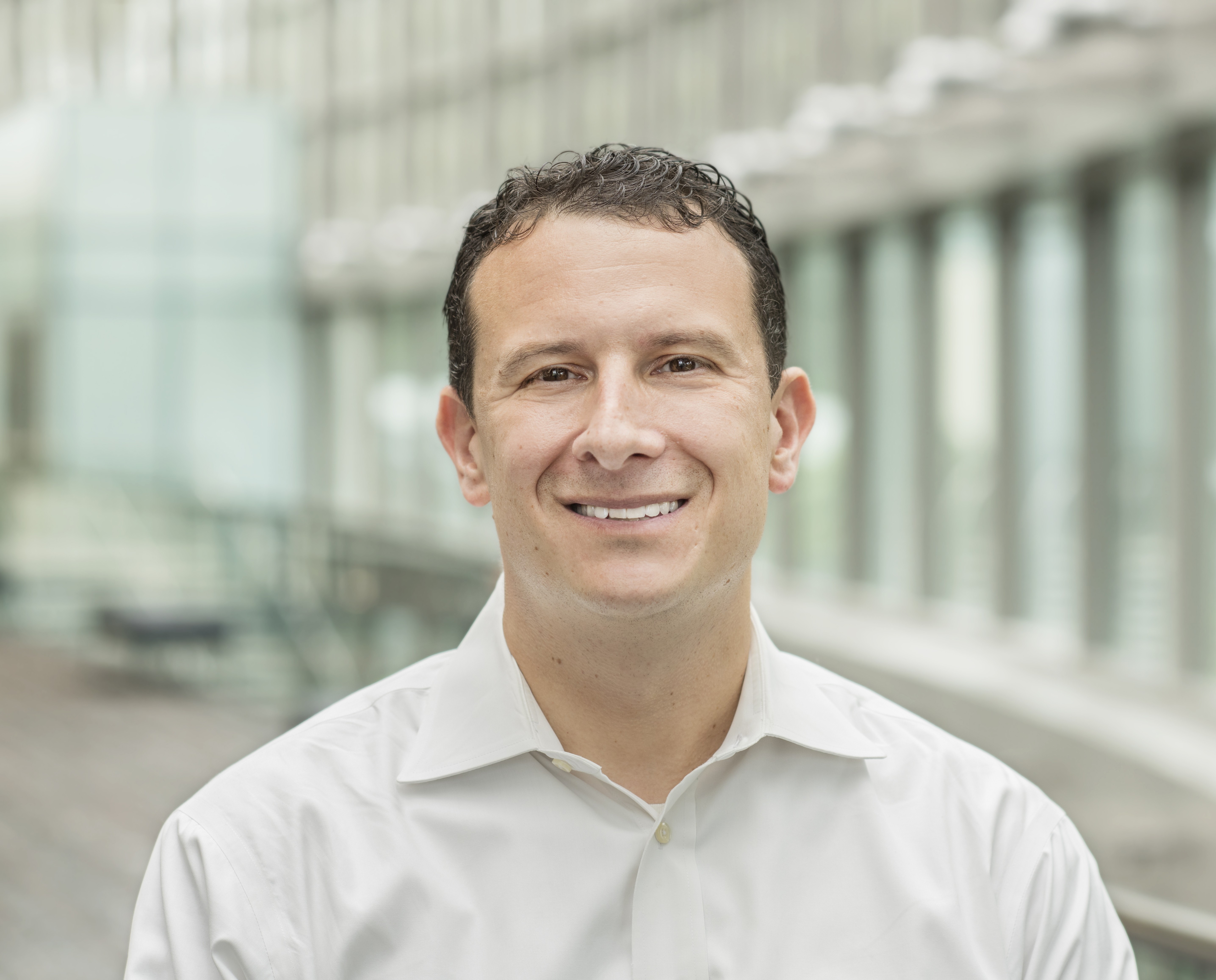
On today's bonus long-form episode, we hear from three public health experts as they highlight the Epidemiology and Laboratory Capacity (ELC) program and how it has become one of the nation's most important investments in infectious disease preparedness.

 Spotify
 Apple Podcasts
 Amazon Music
 The Epidemiology and Laboratory Capacity (ELC) program has become one of the nation's most important investments in infectious disease preparedness, strengthening the workforce, laboratory capacity, and data systems that health departments rely on every day. In this bonus long-form episode, ASTHO President and Connecticut Department of Public Health Commissioner Manisha Juthani explains how ELC funding helped build a disease-agnostic data platform that gives local health departments real-time surveillance data. Michigan's Deputy State Epidemiologist Joseph Coyle discusses how ELC supports the specialized workforce, laboratory testing, and IT infrastructure needed to detect outbreaks, track emerging threats, and respond more quickly. Finally, CDC's Alvin Shultz traces the evolution of the ELC program over three decades, highlighting how flexible funding, strong governance, and cross-sector collaboration have created a national infectious disease response system that is ready for whatever comes next.

JOHN SHEEHAN:
This is Public Health Review Morning Edition for Friday, July 31, 2026. I'm John Sheehan with news from the Association of State and Territorial Health Officials. The Epidemiology and Laboratory Capacity Program, or ELC, has become one of the nation's most important investments in infectious disease preparedness, strengthening the workforce, laboratory capacity and data systems that health departments rely on every day.
In this bonus, long-form episode, ASTHO President and Connecticut Department of Public Health Commissioner Dr. Manisha Juthani explains how ELC funding helped build a disease-agnostic data platform that gives local health departments real-time surveillance data. Michigan's Deputy State Epidemiologist Joseph Coyle discusses how ELC supports the specialized workforce, laboratory testing, and IT infrastructure needed to detect outbreaks, track emerging threats, and respond more quickly. Finally, CDC's Alvin Shultz traces the evolution of the ELC program over three decades, highlighting how flexible funding, strong governance, and cross-sector collaboration have created a national infectious disease response system that is ready for whatever comes next.
We'll start with Dr. Manisha Juthani.
MANISHA JUTHANI:
So one of the things we learned in COVID was we really needed to get real-time data on disease surveillance, particularly as it related to COVID at the time, out to local health departments. And so the ELC grant was able to help us support that IT infrastructure we needed to build a data portal so that local health directors were able to log on and get real-time access to data that could be used to help with disease surveillance and activities that they needed to do in their communities to help prevent the spread of disease.
SHEEHAN:
Yeah, and it seems rather intuitive, but have you seen the ability of local departments to act now that they have access to this real-time localized data?
JUTHANI:
Absolutely. So we saw it in real-time back when COVID first started, but one of the things that we did was we made the system disease agnostic so that we were able to expand the list of diseases that local departments were able to visualize. We started with some of the high-volume diseases.
So after COVID, we went to flu and RSV, and then we decided to go into some of the sexually transmitted infections, gonorrhea and chlamydia. And again, because we had a disease agnostic system that was built from an IT standpoint, there were just minor configuration changes that needed to be made in order to expand the number of diseases that we were able to have local health departments actually see. And what we have gotten in terms of feedback from local health departments has been that that information has helped them utilize the data more effectively in real-time to figure out where they could place people in communities to help prevent the further spread of disease.
SHEEHAN:
Yeah, and that makes complete sense that, you know, the more data that local officials can have, the better they can respond. Was it intentional to make the system disease agnostic, as you say, that you could keep adding different classifications as you went?
JUTHANI:
Yes. So one of the things that was clear in the beginning was that we didn't want to be building one-off systems. We wanted to have a clear standard as it related to data.
And I ended up appointing a chief data officer early in my tenure as a health commissioner who helped identify what those standards should be. And so we used that template for COVID, but quickly realized that we needed to make tweaks to make sure that it was standardized so that as we wanted to add other diseases as we went further, that those transitions could be made much more quickly. So it was very intentional, but I think we really needed to have those standards set early and then adhere to those standards.
SHEEHAN:
Yeah. And once you had those standards, like that template for different diseases, what was the process like of adding additional viruses, cases?
JUTHANI:
Yeah, it was actually much more simple after that because with the framework set up to begin with, being able to onboard another disease didn't take as long. So there was definitely thought that needed to be put into the development of that right in the beginning to make sure that we thought about what the various different tweaks might need to be down the road, depending on what the disease was. And, you know, I can imagine that we will have to potentially consider that even further because there may be different diseases that have multiple different steps of testing, which we also saw in some of the other diseases. But taking syphilis as an example, that's a more complicated disease in the sense that there are various different tests and there is also clinical elements of it that are difficult to just have into a straight data reporting system. So it really can't be built for every single disease that's out there. But for many of them where it's really a laboratory test that you're looking for, it can make a big difference. And we've seen that definitely have an impact.
SHEEHAN:
Absolutely. And now with the foresight that you have from developing this system and having created this set of standards, what advice would you give to another health department looking to create a similar portal from sort of lessons you've learned? Would you do it the same? Would you alter it?
JUTHANI:
I think I would just really focus on having those standards up front because if you do that, then creating that portal and being able to build on the capability of that portal as you're going forward is only going to be that much better. One of the things I think is very clear, obviously, is that diseases do not respect jurisdictional boundaries. They are going to continue on and be rampant. And when the state health department can potentially see a cluster developing in one area that may cross jurisdictional boundaries, we can give those heads up to the impacted communities that maybe something is bigger than what it may look like in their local area. And that's where our partnership with local health departments is really important because we can prevent delays and detection. We've also been able to use this type of system to make sure that we don't have duplicate data. We don't have missed cases. People move from one jurisdiction to another. When you have these types of data standards right up front, you can potentially avoid having that kind of duplicative data. If it's the same person that was in this address and another address, and they just move jurisdictional areas, that's where the state can help out with the local response and figuring out that, in fact, it is the same person.
SHEEHAN:
Yeah, spending the time up front to get that standardized data, to get clean data that can translate across systems. It sounds like that's really where you want to spend your time.
JUTHANI:
That's exactly right. And I think I'm very proud of the fact that we were able to leverage ELC dollars in this way that have been very valued by our local health partners and proud of the Connecticut Department of Public Health team that was able to execute on this in the middle of the pandemic and then leverage it going forward into ways that we've been able to utilize for other diseases as well.
SHEEHAN:
Dr. Manisha Juthani is ASTHO President and Connecticut Department of Public Health
Commissioner. Now let's hear from Michigan's Deputy State Epidemiologist, Joseph Coyle.
JOSEPH COYLE:
My team's job is to prepare, prevent, and respond to infectious diseases. There's over a hundred of them in Michigan that are reportable. Things like E.coli, rabies, botulism, drug-resistant organisms, Ebola, Hantavirus, things that are making the news. I have about five staff funded through the state of Michigan that can respond to all of these things, which is clearly not enough. With CDC's ELC, it supports over 50 staff for us in infectious disease that are able to maintain subject matter expertise on all of these different diseases so that we can be ready and prepared for the next one.
SHEEHAN:
Absolutely. And can you connect the dots for us for what that expanded workforce means for actually doing work on the ground?
COYLE:
Yeah, infectious diseases, you just never know what the day or tomorrow is really going to bring. And I think ELC provides us an opportunity to have a diverse workforce with unique subject matter expertise, but also maintain the flexibility to respond to whatever this new and emerging thing might be. And a lot of new and emerging things occur in this sort of intersection of animal, human, and environmental health, which is the One Health concept. And we have an epidemiologist that we have a One Health epidemiologist that's really focused on understanding sort of the unique aspects of the animal health industry, animal health itself, and how that relates to the potential that infectious diseases might result in human exposures, and really how to prevent those exposures from happening in unique settings where there are animals and things involved.
SHEEHAN:
Absolutely. Talk more about the role of the One Health epidemiologist. You know, it strikes me when you say that, like, oh, of course, that's so many diseases can start out making that human animal leap. And it would be pretty important to have that at the state level.
COYLE:
Yeah, absolutely. And we do have counterparts that we work with in other state departments. So we have a Michigan Department of Agriculture. We have a Michigan Department of Natural Resources. They understand, like, the agriculture industry in and out and also like wildlife and how wildlife is behaving. But we have our One Health epidemiologist understands these things, too. And uniquely, like, we've had we've had an outbreak recently of salmonella associated with backyard flocks like baby ducklings and baby chicks. I don't know all that much about hatcheries and how chicks get distributed, but are like our One Health epidemiologist does and knows how to have those conversations with our counterparts in the Department of Agriculture and figure out, like, what is the situation that's going on here that might be relating to human illnesses? We also had outbreaks across the country and also here in Michigan related to highly pathogenic avian influenza or H5N1 in dairy herds. And I have not been to a dairy farm. I don't know all that much about dairies and how they operate. And so it was a unique pathophysiology of a cow and how this virus could impact a cow and relate to human exposures. And so having someone who understands all of these types of settings and industry and where there might be opportunities to protect the health of people that work in those settings when there are detections of H5N1 as it was in dairy herds, I think it's just an incredible resource for us that we just aren't able to maintain without the ELC.
SHEEHAN:
And speaking of sort of those other partners and state local partnerships that have to sort of exist for every link in the chain to sort of communicate, how is that facilitated by ELC funding?
COYLE:
There's lots of really good examples of it. We have 45 different local health departments in Michigan. We meet with them on a quarterly basis, sometimes virtually, sometimes in person. We're frequently, our job at the state is really to support our local health departments, the folks who are the boots on the ground. They're doing a lot of work within their communities with the residents in their communities who might be impacted by infectious diseases, doing contact tracing and things like that. But that is a good part of the public health workforce of the state of Michigan is at the local level, at the county level, for example. And so we need to constantly hear from them on what their pain points are, where there might be opportunities, how they're spending a lot, how they're spending their time, whether there's things that we could, better guidance we could provide or subject matter expertise we could provide. Or if there are major pain points with an IT system or something like that, where we need to, we want to constantly hear their feedback. And those meetings really turn into like to-do lists for us at the state health department, like, hey, local health departments are saying they need this thing. Like, let's go and find it for them. And then a lot of coordination happens with our local health departments. And when we're trying to think about statewide strategies for how we implement a certain thing, we often don't have resources to do everything, everywhere, all at the same time. And so we have to think about how we utilize our resources to have the maximum return on investment. And one of the examples I think is a really interesting one is that we work with our local partners to surveil for ticks and mosquitoes. So we're not, we're looking for ticks and mosquitoes that might be carrying a pathogen that can make humans sick. And then we want to see if those ticks and mosquitoes, we want to know where they are, just the species of insect themselves, where they are. And then also know whether they're harboring those diseases. And so for things like Lyme disease or West Nile virus and things like that. And it's been a constantly evolving, this is where we use our One Health epidemiologist as well, and just a constantly evolving risk in that space. In Michigan's 83 counties, I think we had maybe 80% with no risk of Lyme disease 20, 25 years ago. And that number is incredibly different now. It's 5% of our counties have no risk of Lyme disease locally. And that's because we've been able to find the tick just spread geographically. And that really helps in our communications to the public about what that risk, where that risk is, where it's present, and how they can protect themselves from exposure when they're enjoying the many great outdoor activities that you can in the state of Michigan.
SHEEHAN
And so once you have these, you know, these samples, and you've enlisted volunteers, and you've sort of got those resources expanded, does funding help with lab capacity?
COYLE:
It does, in many respects. And I think that's a really important component that I don't want us to miss in sort of the ELC, is the L, which is laboratory. So public health laboratories do a lot of specialized testing, some of which is diagnostic testing, that is just not something that you would, that clinical labs would necessarily typically do because they're rare diseases, and you don't expect to see a patient with one of these rare diseases.
And so the clinical laboratories don't necessarily maintain that capacity. But if they have a patient where they're concerned that they might have this rare disease, like the state of Michigan laboratory maintains capacity to detect rare things and do from a diagnostic perspective. And then we also have advanced sort of molecular techniques that get into genetic sequencing, for example, or whole genome sequencing, what I like to call DNA fingerprinting, which is a really, really helpful tool. I mean, for us, we have to move faster than these diseases do to really get ahead of them and stop them. And that sort of DNA fingerprinting is like another tool that helps us maximally protect the public by getting ahead of different diseases.
SHEEHAN:
Yeah, let's talk a little bit more about that and how this DNA fingerprinting has sort of helped you tackle those kinds of outbreaks, especially in like salmonella and E. coli. There was an existing playbook for dealing with that.
COYLE:
There is. And so what I like to think is, you know, with E. coli, salmonella, listeria infection, a person gets sick. They go to health care, they get a laboratory specimen drawn, and it comes up with this pathogen that gets reported to the health department. And so we investigate these cases. We try to figure out by interviewing the patient, can we reasonably determine where you might have been exposed to this, this illness?
And it's sometimes really, really difficult to do when you're just there's, you know, recall bias and things like that, where individuals just might not have a comprehensive list of all the things they might have eaten in the last few weeks. When DNA fingerprinting comes in, what it can do is it can connect cases that we had no idea there was a connection. And then it gets us to dive a lot deeper into those particular interviews and records to see what is it that these two people have in common? And is there something bigger going on here?
SHEEHAN:
Let's talk about how advances in IT infrastructure. I'm thinking specifically of, you know, better computing power, able to sort of analyze those databases you referenced, and making those connections even faster.
COYLE:
Yeah, I mean, that's, that's exactly it. That's the name of the game. There's always going to be, we're never going to have as many resources as we want to in public health. And so we have to make, get the best bang for our buck and get, like I said before, getting ahead of some of these diseases. And the way that we do that is, is through the use of various technologies. We talked about the laboratory technology, but our IT infrastructure is another big one. We're getting millions of referrals into our disease monitoring system. Every year, we have thousands of different users who use our disease monitoring system to detect and respond to those individual cases of illness. And that facilitates us putting together these puzzles and figuring out what's making people sick, and then how we can put interventions into place. So our IT infrastructure receives a lot of electronic, millions of electronic messages. And the speed at which that data travels is really critical. And we need to be able to, in this era of sort of big data, all kinds of big data that industry is using, we're using, we're getting there too in public health with our IT infrastructure. Data moves fast. There's a lot of it. We need to automatically ingest it, map it into the databases, and really maximize the use of that data. The nice thing about the IT infrastructure is that oftentimes it's a one-time investment of dollars to improve an IT system that pays off for years and years to come. And so it creates efficiencies and cost savings in the work, and it also enables our public health workforce to not spend as much time doing manual data entry and things like that, and focus on the direct engagement that they can have with communities and individuals about disease risk and disease prevention.
JOHN SHEEHAN:
Joseph Coyle is Michigan's Deputy State Epidemiologist. Finally, here's CDC's Alvin Shultz, branch chief of the Epidemiology Laboratory Capacity and Informatics Branch, Division of Infectious Disease Readiness and Innovation.
ALVIN SHULTZ:
The birth of ELC can be traced back to a 1992 Institute of Medicine report called Emerging Infections, Microbial Threats to Health in the United States. Now, that report flagged emerging infectious diseases as a growing national vulnerability. And in 1995, my program launched to respond to that. At that time, there were only 10 recipients and about $2 million. Now, the ELC program grew incrementally, and by 2001, all 50 states received ELC support, in addition to six cities in one territory. Today, we're up to 65 recipients. Maricopa County most recently joined in 2024. So the program has grown enormously, I would say, in both scope and funding to meet evolving needs. Another thing that's interesting, I think, is how ELC grew. So ELC was designed from the start as a cross-cutting program, meaning it wasn't tied to just one disease, but built to strengthen the underlying epidemiology, laboratory, and data infrastructure of really any infectious disease response. As new needs emerged, programs, I'm talking about CDC programs here, focusing on kind of disease areas, started to leverage that ELC infrastructure to build capacity in their own areas. One example is our vector-borne disease program. So vector-borne started in the year 2000 as West Nile virus, which was a new threat sweeping
across the country at that time. But as things evolved, we started to add additional mosquito-borne diseases to that program, and it became the Arbiviral program. And then more recently, we added tick-borne infections as well. So now it's more of a holistic vector-borne program. And so similar things have happened with other categorical programs, food-borne diseases, vaccine-preventable diseases, respiratory, and healthcare-associated infections. But I'm not done yet. I want to come back to the Prevention and Public Health Fund, which was established through the Affordable Care Act in 2010, because that gave us more flexible funding that let us reinvest in that original cross-cutting vision that I spoke about that really started this program. And, you know, what do we support there? Response-ready epidemiologists in nearly every state, cross-cutting lab resources such as courier services, shared lab systems, and equipment that works across multiple programs, not just one.
SHEEHAN:
Wow. Okay. So that's quite a scope. How would you describe the role of the program as it relates both to CDC and to local health departments in infectious disease response?
SHULTZ:
So ELC has been very instrumental in responses. ELC has been one of CDC's really quickest mechanisms for getting response funding directly into health departments' hands. So because ELC is cross-cutting and so broad, it touches all these different programs, it is uniquely suited for both short-term surge response, but also some of the longer-term recovery work that we sometimes need. We saw this back in 2014 and 2015 with Ebola, and then 2016 and 2017 with Zika. Now, at the time, those felt like major tests of the system. But then we had COVID-19, and that was a completely different scale entirely. But ELC, we funded many different resources in that response, starting with things like contact tracing, standing up basic lab testing capacity in health departments for large populations. As things evolve, we use that funding to modernize data systems in ways that have permanently improved where jurisdictions stand today. Now, some of that investment has led to lasting infrastructure, including more robust integrated disease surveillance systems, major lab facility enhancements, and innovative advances in both genomic sequencing and wastewater surveillance in jurisdictions across the country. ELC is really already embedded in the infectious disease programs that your health departments rely on every day. So when we need to move fast, we're not starting from zero. So what does success look like for ELC investments? Well, success for ELC means strengthening the nation's ability to prevent, detect, and respond to infectious diseases. And we measure that by how much stronger infectious disease programs get at the health department level, jurisdiction by jurisdiction. We track those through close, ongoing working relationships with recipients and active monitoring of how funds are used. Now, additionally, success is when our state and local health departments are able to ensure that critical and routine public health surveillance is well supported to catch outbreaks early and action can be taken to limit or stop the spread of disease. Success also means having a skilled workforce that can flex to meet changing needs of the community. For example, health department staff are often managing foundational public health programs while also juggling urgent and emerging diseases. Right now, lots of jurisdictions are combating measles and even more recently, cyclospora. So success is leveraging innovative technologies for disease detection, including laboratory testing, novel data streams, improved analysis techniques, and cutting edge communication to work smarter and more efficiently.
SHEEHAN:
Yeah. And so with that in mind, are there characteristics of jurisdictions who are displaying those kinds of successful outcomes?
SHULTZ:
It's a very good question. What is the most successful best practice? And honestly, it really comes down for us to communication and collaboration. The jurisdictions that get the most out of ELC are the ones that active dialogue with us. Now, that's not just the reporting deadlines, but year round. That includes strong internal coordination, governance structures that connect state and local partners, because more collaboration consistently means more problems get solved before they become crises. So one structural strength worth highlighting for this audience, Every ELC jurisdiction is required to have a governance team, and it's genuinely cross-functional. That governance team, it consists of a principal investigator, a laboratory lead, an epidemiology lead, a financial lead, and an informatics lead. And of course, someone serving as our daily point of contact. That someone may be one of the other people that I just mentioned. None of this is just a formality. It means the people making decisions about ELC funding are the same people who understand the lab bench, the epi curve, the budget constraints, and the data systems all sitting at the same table. We take a really active role in monitoring and supporting these programs. But that only works well when the relationship is a two-way street, and a strong governance team is what makes that two-way street work.
SHEEHAN:
Alvin Shultz is branch chief of the Epidemiology Laboratory Capacity and Informatics Branch, Division of Infectious Disease Readiness and Innovation at CDC. Earlier, we heard from Joseph Coyle, Michigan's deputy state epidemiologist, and Dr. Manisha Juthani, ASTHO president and Connecticut Department of Public Health commissioner. This has been a bonus long-form episode of Public Health Review Morning Edition. I'm John Sheehan for the Association of State and Territorial Health Officials.