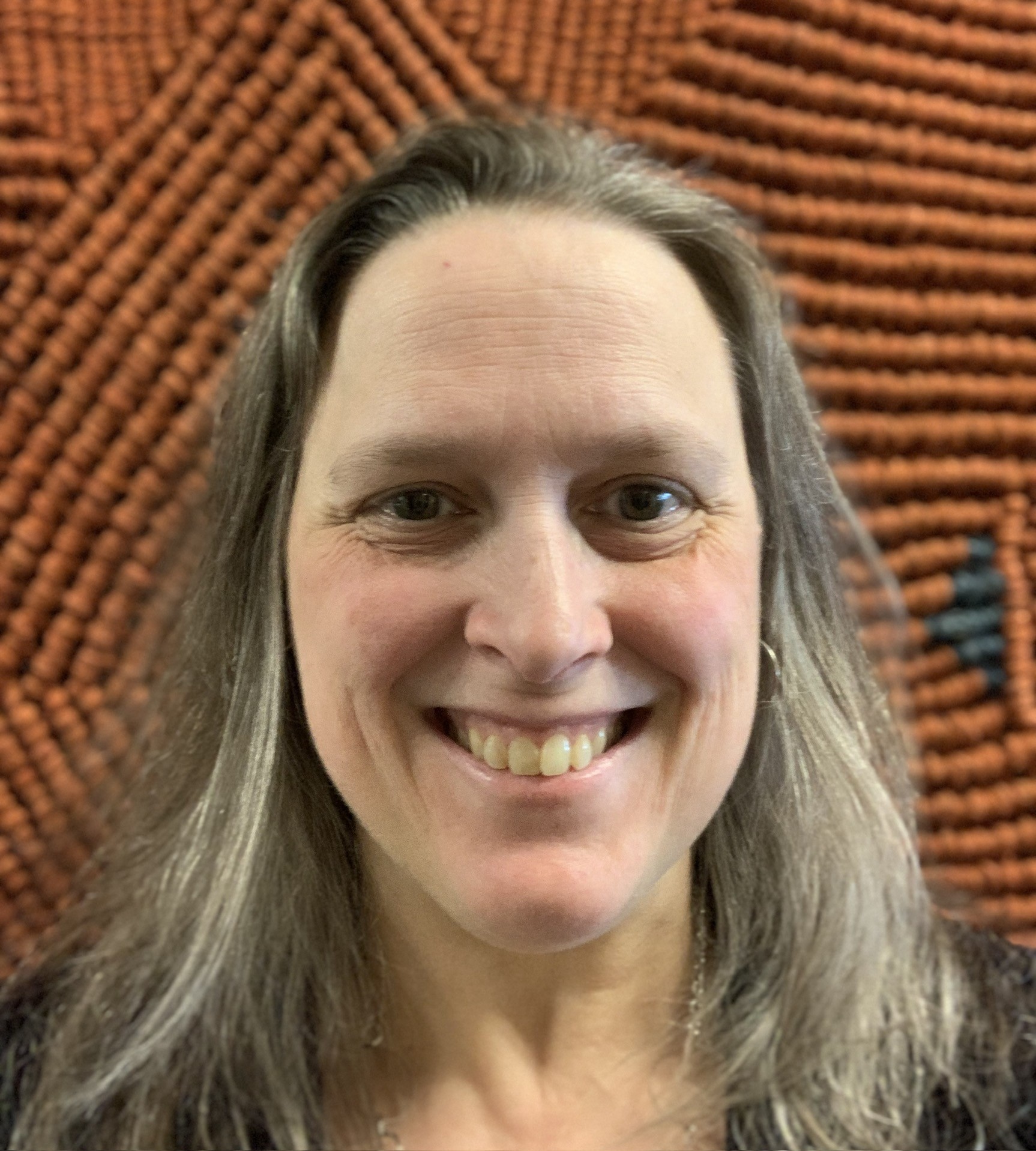
Elysia Gonzales from Public Health - Seattle & King County discusses how her team developed a prioritization framework and adapted an ASTHO framework into a five-tier system. She highlights the importance of clearly defining problems, getting leadership buy-in, and leveraging existing tools.

 Spotify

 Apple Podcasts

 Amazon Music
Public health departments are facing budget pressures, workforce shortages, and growing demands on their limited capacity. Today, Elysia Gonzales, investigations and response branch manager for Public Health - Seattle & King County, discusses how her team developed a prioritization framework to help staff determine which infectious disease investigations need immediate attention and which can wait. She explains how the department adapted an ASTHO framework into a five-tier system, giving staff clearer guidance when multiple cases arrive at once, and how the approach can reduce the pressure to treat everything as urgent. She also shares lessons for other public health agencies, including the importance of clearly defining the problem, getting leadership buy-in, leveraging tools that already exist, and being realistic about what work can be paused or stopped.
Prioritizing Emerging Infectious Disease Cases and Contacts for Follow-Up | ASTHO
What States and Territories Have to Say About National Preparedness | ASTHO
Public Health Performance Management Solutions Showcase
Funding & Collaboration Opportunities | ASTHO

JOHN SHEEHAN:
This is Public Health Review Morning Edition for Wednesday, October 7, 2026. I'm John Sheehan with news from the Association of State and Territorial Health Officials.
Public health departments are facing budget pressures, workforce shortages, and growing demands on their limited capacity. Today, Elysia Gonzales, investigations and response branch manager of the Communicable Disease Epidemiology and Immunization Section of Public Health - Seattle and King County, discusses how her team developed a prioritization framework to help staff determine which infectious disease investigations need immediate attention and which can wait. She explains how the department adapted an ASTHO framework into a five-tier system, giving staff clearer guidance when multiple cases arrive at once, and how the approach can reduce the pressure to treat everything as urgent.
ELYSIA GONZALES:
Like pretty much everyone else in public health right now, we're facing potential budget cuts and lost capacity. We've also lost a fair amount of institutional knowledge as the public health force has been exiting in the last few years, and we still the staff that remain here they're still recovering from the intensive pandemic that we had, and we're at various levels of that. On top of all of that, our work in communicable disease investigations is unpredictable. We never know what's going to come in at the moment, so it's very response-oriented, and that response mindset kind of becomes pervasive. And it's really easy to slip into this do-do-do. Got to get everything done. It turns into everything being urgent, and even when it's not urgent, everything feels important, and importance and urgency are oftentimes then used interchangeably, and that's not the way we want people to think about it. So you know, we really are focusing on the well-being of staff, and we're really focused on making sure that we are providing the best services for the communities that we serve, and we need to do both at the same time because they're both, you know, one impacts the other for sure. So realistically, finding a way to achieve that critical work without burdening the staff, because as everyone always says, it's time we need to do more with less, we cannot do more with less. We just cannot continue to think that way in public health right now. So our goal has been to really lay out a tool that has clearly defined acuity levels for each of the conditions that are based on the way that we're working and what the needs of our health department are, the considerations that we need to think about for all of the nuances, all of the different outbreak situations that come up, and then what are the time frames people slip into this? I get a report, I need to call now, and then they get 10 reports; they can't figure out how to get through that in a day. So helping them kind of slow down, pull back has been really a big part of what we're trying to do here.
SHEEHAN:
And so, how did you adapt the prioritization plan from the ASTHO framework? And what were some of the most helpful parts?
GONZALES:
Yeah, so we embarked on this project a little over a year ago as we were beginning to prepare for the World Cup games that were coming to Seattle this past summer, so at the time we just, like, had no idea where to start. It was just very overwhelming to think about this kind of overhaul of the way that we're working here. So ASTO had not yet completed their final draft of the tool, but they very graciously shared their working draft at the time, along with some examples from other jurisdictions. You know, especially Arizona and San Bernardino, and all of that was really helpful in kind of walking through the whole process from the beginning to the end. What we need to think about. Here are the typical considerations that you want to consider as you're trying to set priorities for each of the conditions. You know how to do this, what the methods are, using tiers or, you know, weights, that kind of thing. So it was really nice in that it kind of got you thinking and working through all of the different things, and basically gave us a really strong foundation that we were able to build on, and then, you know, tailored it to the needs of our own program. So it was an incredibly helpful tool.
SHEEHAN:
Has it changed your workflows so far, or made a big impact?
GONZALES:
Well, we're still in the piloting phase. We implemented it just before the summer, and so we're still in the period of kind of tweaking it and making sure that it meets everyone's needs. But right from the start, I mean, I heard positive feedback very quickly. Staff were excited with the tool. It was well received, and they felt like it would help in a lot of different ways. And that has continued through now. Staff definitely feel more empowered to slow down, you know, take a breath, and not feel that pressure to get everything done immediately, really understanding why we think about something being urgent versus important, what's the difference, and how to you know, think about that. We know that urgency comes usually at a cost to quality, and so this has really allowed a number of our staff to, as they're slowing down, we can focus more on quality of the work that we're doing rather than quantity, because ultimately that helps our staff. But like I said, this is really ultimately going to benefit the communities that we serve. We're going to get better population data that will inform future interventions. So it's, you know, been really helpful in that aspect. It's also been a really great learning tool for staff, especially newer staff. And it's hopefully, over time, we haven't fully seen this yet- it will strengthen people's skills and the confidence in making some of these rapid decisions about priority for, you know, five conditions that hit someone's desk at one time and what they should start on first. We work in such uncertainty that it can be really hard to make decisions as quickly as they need to happen here. So, this tool really provides a way for people to kind of think critically about the work and the decisions they're making, and ultimately, for them building independent decision-making skills on a day-to-day basis.
SHEEHAN:
Sure. And do you feel the department is better better equipped now to handle infectious disease outbreaks?
GONZALES:
I think that we are definitely better equipped to handle, and this is just one step on our journey. Now we are moving into focusing on thinking about operational levels and how we can scale up and down for work, and so this will really help guide when we need to scale. So then the next step is: okay, how do we scale? What do we stop? What do we pause, and what do we, you know, actually need to put all of our resources into? So, this has been a really great thing. You know, people are finding little things that it helps with. You know, we had a question come up where people are asking, I don't know when to ask for a consultation on an investigation. I don't quite know urgency versus priority, urgency versus importance, and so it was easy to pull out one of the tiers and say, okay, urgent consultations are for the tier one diseases in our chart, and so that kind of gave clear guidance of what they should consider urgent and what they can wait until a consultant, a subject matter expert, can help them until later.
SHEEHAN:
And could you walk us through how your department can now use the framework to follow up on cases, especially cases that might have multiple infectious diseases occurring at the same time?
GONZALES:
Yeah. So the tool lays out how to think about the priorities, the considerations for case investigations, and then the points and how to use this tool. And what we have done here is set up five tiers. Our previous system was using three categories of low, medium, and high priority, and there weren't really any great definitions of what fell into each. You know, long-timers had a good sense of what fit and what didn't. So we came up with five tier categories, going from highest priority to lowest priority. Highest priority is tier one, and gave some kind of clear guidance for each on what that means for what happens if an investigation comes in immediately before the end of the day. Do you need to pass this off to the after-hours person, or can it wait until the next business day? And then, do you need to respond to this immediately, or can you put it aside and get to something else later on in the week? So we have, let's say, somebody gets handed an E. coli report and a rabies exposure report and two Campylobacters and a salmonella, and they're just given all of these at the same time; this helps them walk through. Okay, which are the tier ones and which are the tier twos, and then they have that order that they can start doing them in. And then when there's still some conflicting, like let's say two of them are the same priority, then they have the consideration. To think through, okay, is this a severe infection? Is this likely to rapidly spread throughout the community? And you know, a number of things. And if they're true, then that's going to increase the priority of that particular investigation.
SHEEHAN:
Yeah, that sounds helpful. While you were developing it, now with the benefit of hindsight, can you think of anything that you would have done differently?
GONZALES:
So getting started was really the hardest part. In hindsight, I think that we could have done a much better job early on in seeking out guidance from other health departments and experts in the field and looking for other tools that were available. Once we had this tool from ASTHO, that was a huge help, and so I just can't say enough that we need to leverage everything that's already built. We need to avoid reinventing the wheel in this time of potential deprivation. I will also say in the beginning again because this is such complex work: we tried to do too much with this one system, and really needed to hone in and focus on what it is that we're actually trying to solve, and then stick with that instead of trying to add. Oh, and we can also add this piece, and we can also add this thinking, and we can add this type of category, and so not getting caught up in that type of rabbit holes going down for the documenter because it's ultimately then not going to be useful or used.
SHEEHAN:
does that fall into the category of advice you would give to another agency official who's thinking about using the framework in their own jurisdiction?
GONZALES:
Yeah, I mean, I would really say clearly define what the problem is that you're trying to solve. Don't make the tool do too much. You're going to be able to use that as well for leadership. You've got to get buy-in from leadership because there is some risk by cutting back on this work. There's some risk to the public, and so we have to acknowledge that and find where the balance is. And most importantly, I think, is to be realistic. You have to go into this type of building up the resource knowing that important work is going to get changed. It's going to get stopped, slowed down, modified in some way. We can't keep treating everything as a priority, so we have to make hard decisions about what we cut back and what we need to actually put at the forefront, and the other thing is really thinking about the scalability. How are you going to use this tool to kind of think through the nuances in the work that we do and bump up something in a priority or bump it down given everything that's going on? So really thinking about how that's going to work.
SHEEHAN:
Good advice. Elysia Gonzales. Thanks so much.
GONZALES:
Thank you for having me. I really appreciate that.
SHEEHAN:
Elysia Gonzales is the investigations and response branch manager of the Communicable Disease Epidemiology and Immunization Section of Public Health - Seattle and King County.
ASTHO gathered public health professionals from 31 jurisdictions to inform national preparedness strategies, priorities, and planning. Jurisdictions shared insights on operational realities, newly elevated priorities, critical national and jurisdictional health security threats, and opportunities to advance readiness over the next several years. The conversations affirmed that public health is being asked to do more with fewer resources across a complex and ever-changing threat landscape, and that national planning must include sustained support and increased flexibility to help jurisdictions build resilience. Read about what states and territories have to say about national preparedness at the link in the show notes.
ASTHO's Public Health Performance Management Solutions Showcase offers public health professionals an opportunity to explore solutions that can strengthen and support their agency's performance management efforts. Participants will hear from vendors and public health agencies about how different platforms and systems are being used in real-world settings, while gaining insights into key considerations for selecting and implementing a solution. The showcase is designed to help participants identify tools and approaches that align with their agency's priorities, capacity, and infrastructure needs. Register at the link in the show notes.
This has been Public Health Review Morning Edition. I'm John Sheehan for the Association of State and Territorial Health Officials.