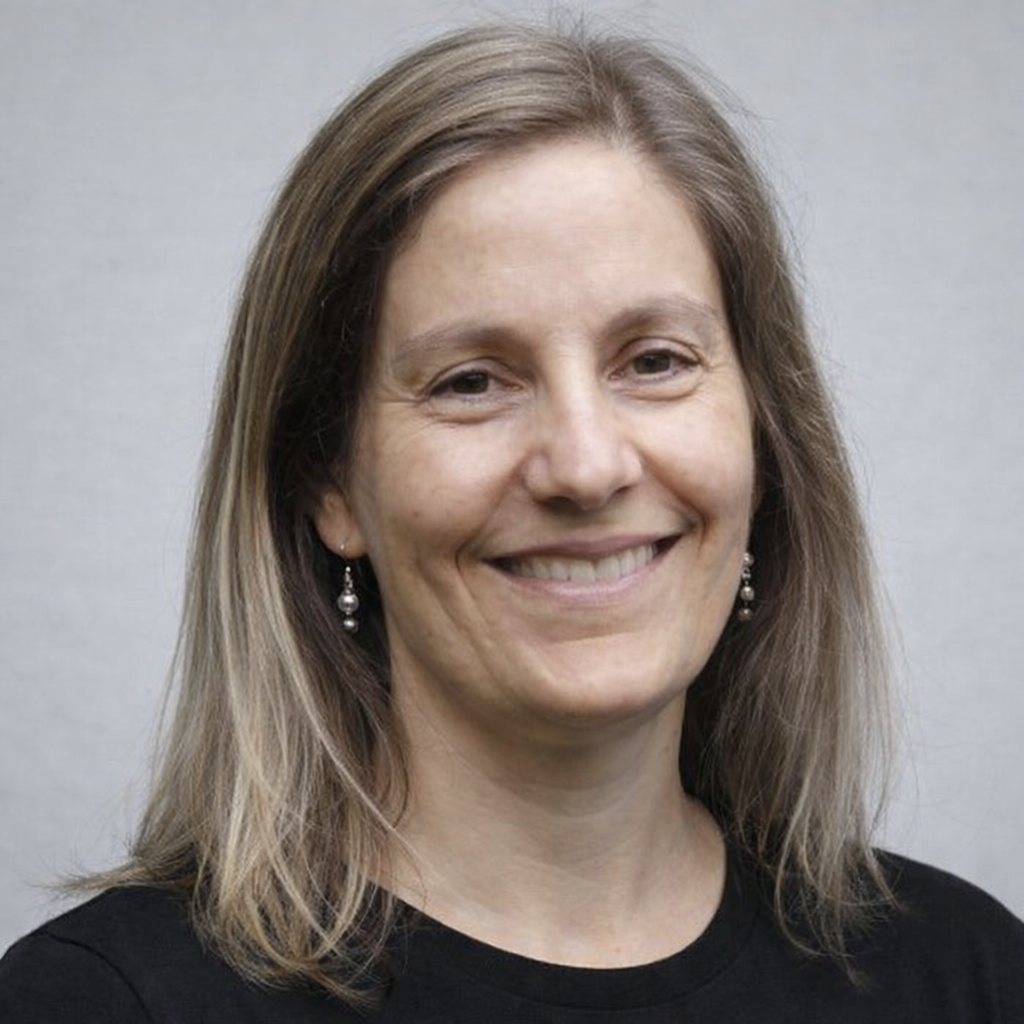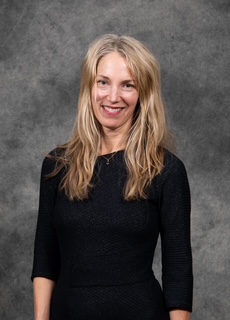
Oregon Health Authority's Gabriela Goldfarb and the Minnesota Department of Health's Kathy Koehler Raleigh discuss the health risks of wildfire smoke and extreme heat, along with practical advice on protecting communities from these events.

 Spotify
 Apple Podcasts
 Amazon Music
 As wildfire smoke becomes a recurring threat across more of the United States, public health agencies are adapting their guidance to help communities prepare and respond. In this episode, Gabriela Goldfarb, Environmental Public Health section manager of the Oregon Health Authority and Kathy Koehler Raleigh, principal epidemiologist of the Minnesota Department of Health, explain the health risks associated with wildfire smoke, why the combination of smoke and extreme heat can be especially dangerous, and how states are using surveillance data, public education, and cross-state collaboration to protect residents. They also share practical advice on reducing exposure, improving indoor air quality, recognizing symptoms, and preparing for a future in which wildfire smoke is becoming an increasingly common public health challenge.
Communicating the Health Risks of Wildland Fire Smoke | ASTHO
Partnership as the Foundation for Advancing Adolescent Health in American Samoa | ASTHO
Strengthening Long-Term Care Capacity in Island Jurisdictions Through Policy | ASTHO

JOHN SHEEHAN:
This is Public Health Review Morning Edition for Wednesday, July 29, 2026. I'm John Sheehan with news from the Association of State and Territorial Health Officials.
As wildfire smoke becomes a recurring threat across more of the United States, public health agencies are adapting their guidance to help communities prepare and respond. Today, Gabriela Goldfarb, environmental public health section manager of the Oregon Health Authority, and Kathy Raleigh, principal epidemiologist of the Minnesota Department of Health, explain the health risks associated with wildfire smoke, why the combination of smoke and extreme heat can be especially dangerous, and how states are using surveillance data, public education, and cross-state collaboration to protect residents. Let's start with Gabriela Goldfarb.
GABRIELA GOLDFARB:
I'm sorry to say that our wildfire season has heated up, no pun intended. Here in the Pacific Northwest, we're seeing a lot of fires due to lightning events, and we're seeing big smoke events. And that smoke, like other sources of air pollution, contains particles that can irritate everyone's eyes and lungs, and everyone can experience symptoms, like coughing and watery eyes, but those will generally clear up once the smoke passes. But we are really concerned about very small particles that can reach deep into our lungs, where they enter our bloodstream and affect the lungs, heart, and other organs and tissues. Science is focused on what's known as particulate matter, 2.5 microns in size and smaller, and the shorthand for that is PM 2.5. If you string 30 of these particles together, they would span the width of a human hair. So that's how small we're talking, and the research is very well-documented that exposure can decrease lung function, aggravate asthma, people with underlying conditions like heart disease, respiratory disease, diabetes. It can increase the risks of heart attacks and up to causing premature death. Fire exposure, wildfire smoke exposure used to be more episodic, and now in some parts of, particularly in the West, it's becoming more chronic. With for you know for weeks at a time, year after year, populations are exposed, and so understanding the long-term health effects is another area of of emerging or needed research.
SHEEHAN:
For sure. So, from a public health perspective, what are the messages that you want to make sure get across during these events?
GOLDFARB:
Well, the first recommendation is to know where to find information from a trustworthy source. So, for example, in our state, we have set up a website, OregonSmoke.org, and that's OregonSmoke, all one word, .org. Just for an example, if folks want to take a look, and a lot of states where smoke is a problem have set up similar sources of information. We partner in Oregon with our Department of Environmental Quality to host smoke calls that help set air quality advisories and now people have you know on most people have a, or many people have a, smartphone app, and they have their weather app that they open, and those weather apps include air quality information. So that's another way to find out what is the air quality near me. Often, county public health departments are also good sources of information, and they will often link to either relevant state websites or the CDC. So, the action steps are to pay attention to local air quality reports, limit time outdoors when it's smoky, and keep your indoor air as clean as possible. If you have an HVAC system with a filter. Make sure that filter is as strong as your HVAC system will take and keep that air in recirculation even when your air conditioning isn't running. If you don't have that kind of a system, you can create a DIY box fan filtration device, or buy off-the-shelf filtration devices. So, if you do have to go outside, if you're in your car, you should hit the recirculate air button. If you do have to be outside using a respirator, as they're officially called, but mask, as people commonly call it. So, think the N95 or KN95 masks. That isn't going to protect you 100% but it definitely will reduce how many of these smart small particles you inhale. And so, as much as you can, try. Especially if you are dealing with somebody who has an underlying health condition, that generally tends to be older folks, also young children who are breathing more per pound of body weight and whose lungs are developing. Those are the folks to take special care for taking precautions.
JOHN SHEEHAN:
Okay, a lot of good information there. This time of year, it's also kind of time for a one-two punch of extreme heat as well during these potentially during these smoke events. What is the role of extreme heat in this time of the year?
GABRIELA GOLDFARB:
This is a growing focus for our agency because we are seeing evidence when we look at our data that the role that the combination of smoke and heat simultaneously can intensify the effects of to have greater health impacts than either one of those have alone. So, that should elevate your level of concern and level of protective actions that you need to take. If it's going to be very hot and there's smoke, you need to really try to avoid the smoke and the heat as much as possible.
SHEEHAN:
Yeah. How does your agency stay on top of the health impacts of wildfire smoke?
GOLDFARB:
In Oregon, we have a what we a system that's called Essence, and that is our Emerging Syndromic Surveillance System. It tells us who is walking into most emergency departments and urgent care centers in the state, and we are tracking the illness complaints of those folks, and that is you know there's not a wildfire smoke code, but there is noninfectious respiratory illness, and that's our proxy for wildfire smoke impacts, for example. And we also are tracking folks who are walking into those EDs and urgent care centers with heat-related illnesses as well. We also look back at data that has a longer lag time. It takes about 18 months, for example, for hospital discharge data and looking at those diagnosis codes. So those are in a longer lag time but allows us to track over time what's happening in Oregon in terms of heat and smoke.
SHEEHAN:
Yeah, what policies or resources would you suggest for other states? Maybe the ones that aren't as used to wildfire seasons as you're discussing.
GOLDFARB:
I know for many states, they have investments happening in things like heat pumps and home weatherization, and those are climate and health protection or wildfire smoke and heat protection investments. And I think partnering with the programs and entities and policymakers who are promoting and advancing those kinds of investments and drawing the connection to how those are protections for people from wildfire smoke and extreme heat, is an important role that public health can play.
SHEEHAN:
Absolutely. Any final thoughts as we as we continue through wildfire season?
GOLDFARB:
I guess I would want to flag there are efforts to expand the pace and scale of treating forests to reduce wildfire risks. One of the ways to do that includes something called prescribed fire, where outside of wildfire season, so in the early spring or in the late fall, there is burning, intentional burning to reduce the fuels in the forests, and that is a tough one because smoke is smoke, no matter what the source is. And so, as public health, we have some concerns about more smoke, more times, more of the year. On the other hand, this can help reduce the risks of big conflagrations that release massive amounts of smoke to many more people. And these are burning events that we can prepare for. So, both for this kind of prescribed fire, but also for wildfire smoke in general, we are working with our local public health authorities in different contexts to develop different kinds of plans that identify vulnerable populations, characterizing the health risks in the community, and identifying strategies and communication pathways to alert people to a lot of this information I've been sharing now. Where's reliable information resources? What steps can they take to protect their health? And doing that outreach and education. And there's a big spectrum of you know from education and outreach and lower cost interventions to accessing you know more substantial interventions that keep people. Safe from smoke and heat.
JOHN SHEEHAN:
Gabriela Goldfarb is environmental public health section manager of the Oregon Health Authority.
Now, for a midwestern perspective, let's hear from Kathy Raleigh, principal epidemiologist of the Minnesota Department of Health. We spoke with her last week.
KATHY RALEIGH:
Last week, starting midweek through the weekend, we saw a lot of wildfire smoke from the wildfires in northern Minnesota, kind of by the Boundary Waters area, and those are still ongoing. Those fires, they're working to put them out. We have cooler conditions, but they're also dry, so there is potential coming up again to have some of we have some windy conditions forecasted, so there is potential again to have more smoke that that travels in the Midwest all the way through the Northeast area.
SHEEHAN:
I see, and you developed some guidance or resources related to the 2023 wildfire smoke events. What happened that year, and why has it been so important this year?
RALEIGH:
2023 was a year where we saw, actually, new levels of off the air quality index chart, the AQI, the color coded chart. We saw a new level reached in Minnesota, and many episodic events for wildfire smoke that reached all the way throughout the state. So, we started to put together coordinating efforts with our joint agency, a sister agency, the Pollution Control Agency. So, at the Health Department and Pollution Control, we came up with some messaging, but in addition to that, we've created several things over the last two years since that time because we've had repeated summertime wildfire smoke season events. So, we do have we have a web page now min.gov/wildfiresmoke, which has a lot of resources, and then we also have a brand new tip sheet, it's “Stay Safe When It's Smoky”. We're in the process of coming up with a brochure, and we also have a printed brochure. But we have our state fair is the last couple weeks in August, and we do have an environmental expo booth, and so we have a new like expo, that eco-experience that will be about wildfire smoke. We also developed a webinar, and then we have social media posts. We have several other internal messaging and our ongoing collaboration. And the big thing that we came up with in 2023, we had a lot of concern. People and parents, seeing their children playing outside when it was very the conditions weren't great. Whether it was you know a camp, a summer camp, or you know summer activities that they were doing, and so there was really a call to create sort of guidance for this. So, we have a Minnesota outdoor air quality guidance for schools and childcare centers. It is a table that we look at. We give guidance, and it's essentially going through the air quality index on one axis and then looking at duration of time on another axis. How long the children can be what's recommended our guidelines, that was helpful. I think a lot of people, coaches, childcare centers, and parents were appreciative of that,
SHEEHAN:
For sure. And there are so many, you know, youth sports leagues and summer camps, as you mentioned at this time, so that presents challenges.
RALEIGH:
Yeah, we also have a lot in northern Minnesota because we have YMCA camps that many kids from the metro and other areas are or other states actually who go to these camps and they spend a week or weeks there, and that was an ongoing issue as well. So, they really were looking for some guidance for that.
SHEEHAN:
And how do you coordinate with other states because the wildfires don't, the smoke doesn't respect boundaries?
RALEIGH:
Yeah, we don't. I mean, we do have partners. Some of the other states in the Northeast, like Massachusetts, and then we also have worked with some states in the Pacific Northwest, even Colorado. So, there are states we do have sort of a standing public health group that we talk about all sorts of things related to climate and climate change, including heat, including wildfire smoke. So, we share resources, is what we do, essentially. We share things that we put out. We share. We talk about our newsletters. We shared our Minnesota outdoor air quality guidance for schools and childcare centers. So, we share that, and we're able to use, instead of having to recreate the wheel, use what others have done as well. So, we share resources.
SHEEHAN:
Any other lessons learned or anything you want to make sure we note for this year's wildfire season?
RALEIGH:
Check the air quality. Make sure look at look at the air quality as you're looking at the weather. So, check the air quality like you would daily, and make sure you know your health risks because there are certain populations, certain sensitive groups that have a higher risk if they're out. So, know what your risk level is, and know what the colors mean. You know, when you're looking at the air quality index or the AQI, know what those mean in relationship to your body and to your loved ones and your neighbors, and check on people around you. If there's someone, if you have a neighbor who's living alone, an older, you know, individual who might be more susceptible. Make sure to check on them.
SHEEHAN:
Kathy Raleigh is principal epidemiologist of the Minnesota Department of Health.
Earlier, we heard from Gabriela Goldfarb, environmental public health section manager of the Oregon Health Authority.
Want to hear how communities are creating new pathways to support adolescent health? Check out ASTHO's latest blog on American Samoa's innovative approach to youth health programs, utilizing strong partnerships between public health organizations and schools. The blog highlights the student-led program Students Promoting Education, Awareness, and Knowledge, or SPEAK, where peer educators help foster open, culturally responsive conversations about healthy relationships, consent, HIV, STIs, and pregnancy prevention. Learn how youth leadership, cross-sector collaboration, and community engagement are helping build healthier, more supportive school environments, and create lasting impact for adolescents across the territory. Find the link in the show notes.
Acute care facilities in U.S. territories and freely associated states experience significant strains on capacity. This creates a bottleneck that compromises the efficiency and stability of health systems. However, there are policy levers available to island jurisdictions that can support appropriate care for patients requiring institutional or home-based services and support. These include payment flexibilities, workforce initiatives, and collaborative partnerships. For more on strengthening long-term care capacity in island jurisdictions through policy, check out the link in the show notes.
This has been Public Health Review Morning Edition. I'm John Sheehan for the Association of State and Territorial Health Officials.