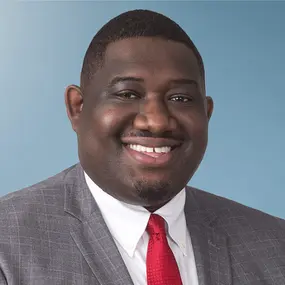
The 2026 midterm elections could shape public health policy, funding, and federal-state partnerships for years to come. In this View from Washington, D.C., Jeffrey Ekoma, ASTHO’s vice president of Government Affairs, explores how election outcomes may influence congressional leadership, public health appropriations, and key policy priorities while offering guidance for health officials preparing to engage newly elected lawmakers.

 Spotify

 Apple Podcasts

 Amazon Music
The 2026 midterm elections could reshape public health priorities, funding, and the relationship between federal and state health agencies. In this View from Washington, D.C., Jeffrey Ekoma, vice president of Government Affairs at ASTHO, discusses what the election results could mean for congressional leadership and public health appropriations in 2027 and beyond. He also outlines the issues lawmakers may prioritize, from health care affordability and emergency preparedness to workforce development and offers advice for state and territorial health officials looking to engage newly elected leaders and prepare for policy changes.
Improving Community Health Through Collaborative Leadership in Saint Louis County | ASTHO
U.S. measles surge exposes public health weaknesses, experts say

JOHN SHEEHAN:
This is Public Health Review Morning Edition for Friday, November 6th, 2026. I'm John Sheehan with news from the Association of State and Territorial Health Officials.
The 2026 midterm elections could bring changes to public health policy and funding at both the federal and state levels. New congressional leadership and newly elected state officials could influence everything from federal appropriations to how public health services are delivered in communities. In today's View from Washington, D.C., Jeffrey Ekoma, vice president of Government Affairs at ASTHO, explains what those changes could mean for public health in 2027 and beyond.
JEFFREY EKOMA:
Yes, the 2026 midterm elections have the potential to affect and shift public health priorities for the next session of Congress and also for state legislatures across the country. At the state level, newly elected governors and elected officials may also pursue different approaches to public health funding, agency authorities, and how public health is delivered in communities.
SHEEHAN:
And how could changes in Congress influence public health funding and programs in 2027?
EKOMA:
The composition of the 120th session of Congress will be particularly important as lawmakers will likely have to consider spending priorities for fiscal year 2028, and that is assuming that FY27 funding is settled before the end of the current calendar year, which, to be completely honest, is not clear at this current moment. Changes in committee leadership will also be a factor here, and that could affect appropriations for all federal public health agencies. There may also be oversight of agencies that look into things like federal grants, program effectiveness, and the balance of responsibilities between federal and state governments.
SHEEHAN:
And what public health policy issues do you expect lawmakers to focus on now that the election is over?
EKOMA:
Yeah, there are a couple of things that come to mind, you know, I'm thinking things like health care affordability, you know, chronic disease prevention, emergency preparedness, workforce. Like, those are things that I really reasonably expect lawmakers will want to focus on. We also hope that they'll focus on things like infrastructure, you know, coordination between public health and health care systems, as well as ensuring the sustainability and flexibility of funds that are provided to state and territorial health departments.
SHEEHAN:
Okay. How could election outcomes impact the relationship between state, territorial, and federal public health agencies?
EKOMA:
Yeah, I mean, there truly is a lot of optimism that federal, state, and territorial public health departments will deepen the collaboration that's needed to implement public health initiatives at the federal, state, and territorial levels. You know, I'm also thinking about how critical it'll be in sort of how state and federal public agencies and how they respond to public health emergencies, how they monitor emerging health threats, and really how they deliver public health services.
SHEEHAN:
What can state and territorial health officials do now to prepare for potential policy and funding changes in 2027?
EKOMA:
I mean, I think from a Hill perspective, it would be good for health officials to consider opportunities to strengthen the relationships that they have with their congressional delegations and other key policymakers to ensure that those opportunities are incorporated into policy discussions that they'll be a part of. It's also a good time to assess how potential changes in federal funding and policy priorities could affect their programs in the workforce of health departments.
SHEEHAN:
And what advice do you have for public health officials that want to engage with newly elected officials?
EKOMA:
Yeah. I mean, my main advice would be to engage early, to build relationships, and to focus on the issues that truly matter to the communities that they serve. It's also important for them to understand the priorities of newly elected officials within their states and territories and to identify opportunities to align public goals with their goals and also to broader policy objectives.
SHEEHAN:
Is there anything else you want to share with our listeners about the impact of the midterms?
EKOMA:
I mean, I'm just ready for midterms to be over. I think there'll be a lot more clarity as to where we're going to be and where we're looking forward to after midterms. I know the federal government affairs team is really looking forward to working with state health officers and territorial health officers in terms of how we can be supportive and helpful to the work that they're doing. We're always available to support.
SHEEHAN:
Jeffrey Ekoma is vice president of Government Affairs at ASTHO. Stay informed on the latest federal developments with the View from Washington, D.C. segment on this podcast, which offers timely updates from Capitol Hill. ASTHO's government affairs team provides public health policy analysis, federal updates, and insights on emerging actions and what they mean for state and territorial public health. So be sure to subscribe and never miss an episode.
Improving community health through collaborative leadership in St. Louis County is a vlog from DELPH alum Ethan Greenblatt, Health Education supervisor at the St. Louis County Department of Public Health, and highlights the importance of public health and community partnerships in promoting health at the local level. Through collaborative leadership strategies, the department has met community members where they are, making public health interventions more accessible and effective. Thanks to leveraging these strategies and external partnerships, St. Louis County Department of Public Health has had several meaningful successes, including improving vaccination rates, strengthening overdose response, and providing community support for families during disruptions to SNAP. Learn more at the link in the show notes.
Also of note, ASTHO Immediate Past President Dr. Manisha Juthani, was quoted in CNBC on the measles outbreak. Find the link in the show notes.
This has been Public Health Review Morning Edition. I'm John Sheehan for the Association of State and Territorial Health Officials.