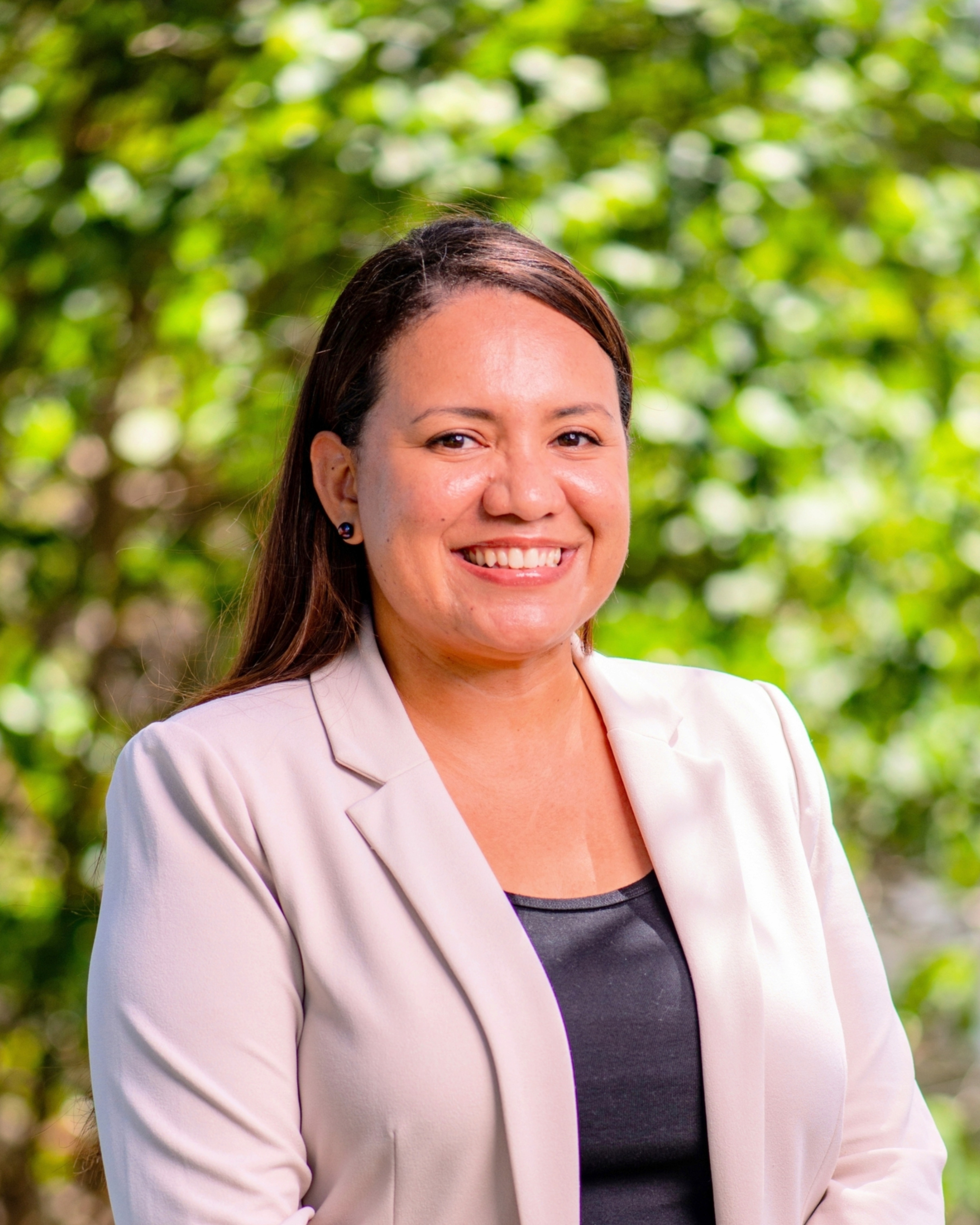
On today's PHIG Impact Report, Tmong Udui with the Palau Ministry of Health and Human Services shares how Palau is using PHIG funding to modernize its health data systems.

 Spotify
 Apple Podcasts
 Amazon Music
 For small and resource-constrained health jurisdictions, data modernization isn't just about adopting new technology, it's about building systems that strengthen people, improve workflows, and create lasting resilience. Tmong Udui, an epidemiologist with the Palau Ministry of Health and Human Services, shares how Palau is leveraging Public Health Infrastructure Grant funding to modernize its health data systems. She discusses the challenges of managing siloed information systems, limited workforce capacity, and growing demands for timely, reliable data in a small island nation. Udui explains how lessons learned during the COVID-19 pandemic accelerated Palau's commitment to modernization, including the implementation of a national electronic health record system. She also explores the importance of stakeholder engagement, tailoring technology solutions to local needs, building institutional knowledge, and balancing ambitious goals with practical realities.
This work is supported by funds made available from the Centers for Disease Control and Prevention (CDC) of the U.S. Department of Health and Human Services (HHS), National Center for STLT Public Health Infrastructure and Workforce, through OE22-2203: Strengthening U.S. Public Health Infrastructure, Workforce, and Data Systems grant. The contents are those of the author(s) and do not necessarily represent the official views of, nor an endorsement, by CDC/HHS, or the U.S. Government.
Public Health Infrastructure Grant: Resources & Impact - PHIG
Strengthening Public Health Workforce Capacity in Island Jurisdictions | ASTHO

JOHN SHEEHAN:
This is Public Health Review Morning Edition for Tuesday, July 7, 2026. I'm John Sheehan, with news from the Association of State and Territorial Health Officials.
For small and resource-constrained health jurisdictions, data modernization isn't just about adopting new technology, it's about building systems that strengthen people, improve workflows, and create lasting resilience. On today's PHIG Impact Report, Tmong Udui, an epidemiologist with the Palau Ministry of Health and Human Services, shares how Palau is leveraging Public Health Infrastructure Grant funding to modernize its health data systems. She'll discuss the challenges of managing siloed information systems, limited workforce capacity, and growing demands for timely, reliable data in a small island nation.
TMONG UDUI:
So, our experience is probably not unique. I think a lot of other health jurisdictions can relate, but much of our work is still very manual. We have many siloed systems, which makes it difficult to access timely, reliable data for decision-making—not only during public health crises like the COVID-19 pandemic, but also in our everyday work. For years, we knew our needs were growing faster than our systems could support. There had been previous attempts to connect systems, but without a standard framework, clear guidance, and dedicated resources, it was difficult to move those efforts forward in a meaningful way. The COVID-19 pandemic really highlighted the strengths and limitations of our existing systems. While we had incredibly dedicated teams working tirelessly around the clock to respond, we also saw how much time was spent gathering and reconciling data so we could inform action. As a small island nation with limited human resources, we cannot afford inefficiency. PHIG funding came at the right time because it gave us an opportunity to pause, assess where we were, and think not only about how to meet our current needs, but also how to prepare for the future and whatever challenges it may bring. We saw it as a chance to strengthen the foundation of our public health infrastructure in a sustainable way and increase our resilience during future public health crises. Coming out of the pandemic, as the saying goes, we wanted to strike while the iron was hot—while those lessons were still fresh in our minds. Because we had a strong sense of urgency to improve, receiving PHIG funding was very timely.
SHEEHAN:
Yeah, and you've written that, despite, you know, sort of having that limited staffing, you know, you didn't want to necessarily downshift and pause your operations, you were really aggressive about modernizing, so that you could increase that capacity for the future.
UDUI:
Yeah, I think, as a small island nation, limited staffing and workforce capacity will always be a challenge for us. That's just the reality of a small, small population. We just don't have the economies of scale that larger jurisdictions have staff have to wear multiple hats, which means innovation and long term planning can sometimes take a back seat, because we have immediate operational demands on day to day work that we have to keep up with, like I said, PHIG gave us the opportunity to pause, look at the system as a whole, and see how we could build a stronger foundation that supports staff and reduces some of that burden through the use of technology. I think it's allowed us to move beyond just constantly reacting to urgent needs as they come up, but to prioritize strategic planning, workforce development, and just being more intentional about designing a system that works for us, that can adapt to emerging needs, and that's resilient, shifting from temporary or like convenient fixes. And thinking more seriously about things like interoperability, sustainability is always important for us, good governance, and thinking about how these systems can continue to serve us beyond, even beyond PHIG. I think that that mindset is is almost as important as the technology itself, or even more important. Our consultants often remind us that the state of modernization journey is not just about the technology, it's also about the people and the processes that utilize the technology, so we don't, we like to remember that in all the work that we do.
SHEEHAN:
Yeah, and speaking of that, you know this technology is modernized. These modernized systems can sometimes come with, like, different language, like more, you know, jargony, technical language that maybe wasn't implemented with input from lots of jurisdictions, let alone one a little more isolated, like Palau. So, how did you keep that grounded nature of purpose over jargon when you were implementing these systems?
UDUI:
I like that: "purpose over jargon". I think we're always very intentional about making sure that this data modernization journey is tailored to the plan context, like you said, we're isolated things that work in general and other places might not necessarily work for us. So, the only way that this project will succeed is if it reflects the realities of the people on the ground. So, we have had previous experiences implementing projects that experience challenges because we didn't spend enough time engaging with the stakeholders and ensuring that it was fit for purpose, so as we are currently implementing our electronic health record system, and we're in the system build phase, so there's a lot of new things that we're learning, new jargon, as you say, that we're having to become familiarized with. We also spend a lot of time just engaging with our stakeholders, like clinicians, nurses, doctors, program staff, leadership to understand their workflows, their challenges, what they expect out of this system, and ensuring that we are able to tailor this to what we need in a practical sense, what is realistic for Palau, given our current workforce and infrastructure. Modernization means building systems that support people. We're not replacing those people: we're just bolstering them. So, keeping the process grounded in our local context and ensuring that the decisions we make are not just technically sound but culturally and operationally appropriate as well is really important. We try to keep that at the forefront of everything that we do.
SHEEHAN:
Your EHR system was, the launch of it, was moved from 2025 to 2026 and you've written that instead of seeing that as a setback, it was actually an opportunity. How so?
UDUI:
It's been a long, a long journey. I don't think any of us anticipated how long it would take at the start. We knew it would take time, but it's definitely exceeded those expectations, personally speaking, so I think in large transformation projects like a Swan, this is huge, because it's - we've never had this before in the country. Timeline adjustments are expected and necessary, especially when you're trying to build something that fits the local context, which is important to us, but also something that's sustainable. We can't rush implementation, so we have a mantra: slow is smooth and smooth is fast, which is akin to a pound proverb, a value, which means spending a little bit more time now to save time in the future. So we try, and that's a way that we help keep ourselves from getting down, because these delays are inevitable sometimes. So, while it's not the best situation to have, have to move a launch date, we see it as an opportunity to strengthen, you know, the planning for and our readiness to launch this EHR, because we're taking a little bit more time to make sure that really works for us.
SHEEHAN:
Yeah, one of your early wins you described was in picking informed technology decisions. What was the importance of that, and why did it, why did it help out with stakeholders and partners?
UDUI:
So, I'm by no means an expert in this field, but I think all of us in our data modernization core team at the Ministry have learned a lot through throughout this whole process. I think that we, there's been a growth in institutional knowledge and also confidence. We build a little bit of confidence in what we're doing overtime. We are now better equipped to ask the right questions, evaluate the options that we have a little bit more critically, and advocate for solutions that are appropriate for pull out or meet our needs. I think that's a benefit that's come out of this whole process. We've learned a lot. We want to ensure that the solutions we select and that we implement are tailored to the pullout context, so making sure that we are asking those questions through a position of clarity, knowing what we need and what will work for us based on our assessment is important.
SHEEHAN:
You've mentioned a few lessons learned here throughout this process, I’m wondering what you would pass on to similar jurisdictions or similar islands who are going through these kinds of decisions?
UDUI:
Definitely start with people and processes. Understanding that context is important to ensure that we're building systems that we can realistically sustain and grow over time, because the stakeholders are on board, and then it's not just about the technology, but strengthening governance workflows, workforce capacity, and partnerships. I think those have to really be part of this modernization initiative. As a small island jurisdiction, we're often pressured, feel a little bit of pressure to replicate larger jurisdictions, like if it works for them that well, then it must work for us. But I think success will come when we design or develop solutions that are appropriate for our own context. So, I think if we start with very clear priorities, understand our infrastructure and limitations, and involve stakeholders early and often, I think we are able to make better decisions, and don't underestimate the value of like incremental progress. Sometimes we feel a little bit, I feel a little bit stressed, because I feel like we're not moving quickly enough, but these things take time. So, again, with our mantra, slow, smooth, and smooth is fast, and then even with limited resources, small island jurisdictions are just used to dealing with limited resources, so that inevitably results in creative solutions. So, lean in on that creativity when you're thinking about what solutions will work best for us, and that will help to build resilient and innovative systems moving forward with that clear vision.
SHEEHAN:
Tmong Udui is an epidemiologist with the Palau Ministry of Health and Human Services.
This has been another PHIG Impact Report, part of Public Health Review Morning Edition. I'm John Sheehan for the Association of State and Territorial Health Officials.