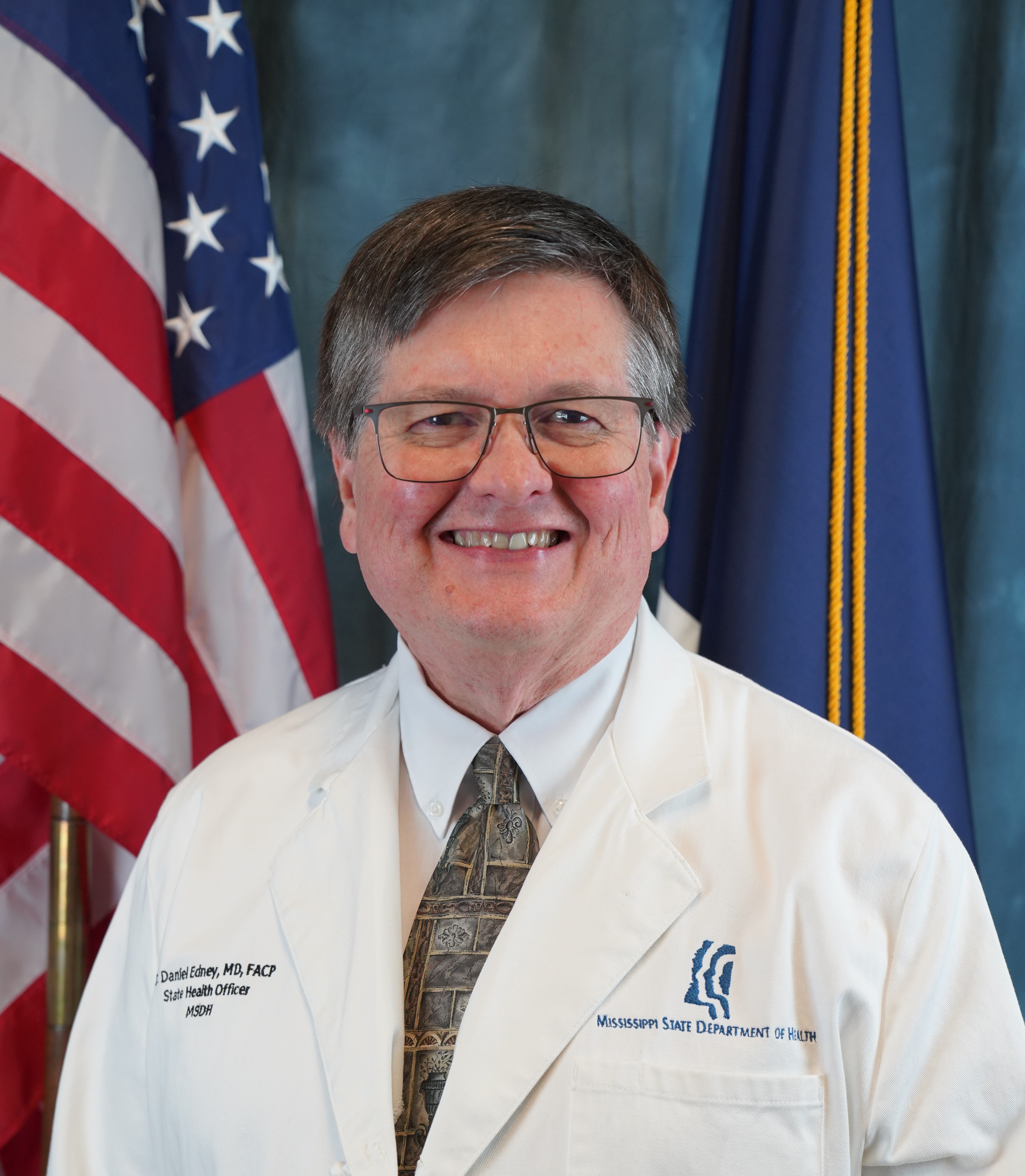
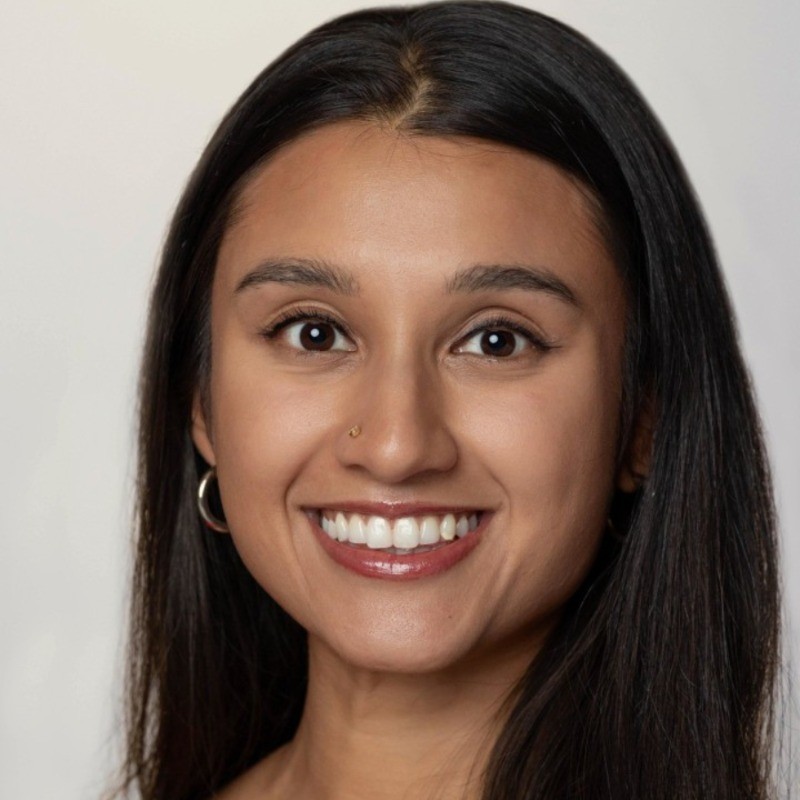
In this bonus, long-form episode, Daniel Edney, ASTHO president-elect and state health officer for the Mississippi State Department of Health, explains how Mississippi is using Rural Health Transformation Program grant funding to strengthen maternal health systems, Then, Ramya Flores, director of Maternal and Infant Health at ASTHO, puts Mississippi's work into a national context, highlighting how states are adopting levels of maternal care to improve access to risk-appropriate services.

 Spotify
 Apple Podcasts
 Amazon Music
 Improving maternal health outcomes requires coordinated systems that ensure every patient receives the right level of care at the right time. In this bonus, long-form episode, Daniel Edney, ASTHO president-elect and state health officer for the Mississippi State Department of Health, explains how Mississippi is using Rural Health Transformation Program grant funding to build a statewide obstetrical system of care, establish new neonatal intensive care units, strengthen EMS coordination, and close critical gaps in care for rural communities. He also discusses how data, innovation, and broad partnerships are driving the state's effort to reduce maternal and infant mortality. Later, Ramya Flores, director of Maternal and Infant Health at ASTHO, puts Mississippi's work into a national context, highlighting how states are adopting levels of maternal care to improve access to risk-appropriate services. She outlines the partnerships, investments, and implementation strategies that support successful maternal care systems and previews ASTHO's latest resources to help states advance this work.

JOHN SHEEHAN:
This is Public Health Review Morning Edition for Thursday, July 23, 2026. I'm John Sheehan with news from the Association of State and Territorial Health Officials.
In this bonus long form episode, Dr. Daniel Edney, ASTHO president-elect and state health officer for the Mississippi State Department of Health, explains how Mississippi is using Rural Health Transformation program grant funding to build a statewide obstetrical system of care, establish new neonatal intensive care units, strengthen EMS coordination, and close critical gaps in care for rural communities. He also discusses how data, innovation, and broad partnerships are driving the state's effort to reduce maternal and infant mortality.
And Ramya Flores, director of maternal and infant health at ASTHO, puts Mississippi's work into a national context, highlighting how states are adopting Levels of Maternal Care to improve access to risk-appropriate services.
Dr. Daniel Edney, welcome back to the show.
DANIEL EDNEY:
Thank you. So glad to be with you.
SHEEHAN:
Ramya Flores, welcome to the show.
RAMYA FLORES:
Thank you so much for having me.
SHEEHAN:
So, Ramya, nationally speaking, what is the state of maternal healthcare now, and what trends are we seeing? What challenges?
FLORES:
Yeah. So, from a national perspective, maternal health continues to face significant challenges. Among other high-income nations, the U.S. has one of the highest maternal mortality rates, and at the same time, according to the Maternal Mortality Review Committee's most recent data, more than 85% of pregnancy-related deaths are preventable. Across the country, states are also grappling with hospital closures and workforce shortages, making it increasingly difficult to ensure that pregnant and postpartum women have timely access to the care that they needs states work to address these challenges, many are exploring the implementation of levels of maternal care as one strategy to strengthen their maternal health systems. Levels of Maternal Care provides a standardized way to classify healthcare facilities based on their ability to manage maternal risk conditions and complications during birth. The goal is to help ensure that patients receive the most appropriate care for their specific health needs, supporting optimal health outcomes. When states or territories adopt levels of maternal care, it can strengthen access to risk-appropriate care and build more coordinated systems of maternal care.
SHEEHAN:
So, Dr. Edney, paint a picture for us of the maternal health landscape in Mississippi. What challenges are top of mind?
EDNEY:
Well, we have a healthcare system serving moms and babies that's made up of expert level birthing hospitals and nurseries and NICUs and OBs and other providers, but they're operating in a system that was designed to serve Mississippi's needs in the 1950s and 60s in terms of hospital locations and birthing center locations. And our population centers have shifted over the last 80 to 100 years, significantly, so now we have a hodgepodge system that really not serving our moms and babies very well for a very rural state like Mississippi, which is why we are looking at system overhaul more than individual provider unit overhaul to have a statewide system of care that overlays our current system of service provision to close those service gaps that we're seeing that are causing unnecessary morbidity and mortality among our moms and babies in Mississippi.
SHEEHAN:
Yeah, and what does that system overhaul look like?
EDNEY:
That is our obstetrical system of care that will be our state's fourth-wide system of care, and we're using the same principle that we did with trauma, and with heart attacks and strokes, and with the exact same problems that we're having in high risk perinatal care, and overlaying a system that facilitates transfers more appropriately, moves patients to the right level of care, not just the closest level of care, augmenting 911 response for these emergencies, and then designating the the the quality of care levels for these facilities, we have designated levels of care for our trauma hospitals, and now we're moving to designated levels of care for maternal care and neonatal care for the NICUs, and not just hospitals declaring what they are, but having true surveys of the hospitals, nurseries, and NICUs, so that they receive official department field designation, just like we do in the trauma system, which we've done for 40 years. That works so well, and by overlaying that statewide. It really does close some of the care gaps that we're seeing. It's worked so well with trauma, heart attacks, and strokes. I'm very confident it's going to work for our high-risk moms and babies.
SHEEHAN:
Yeah, because as mentioned in the past, it means also treating those chronic diseases that go hand-in-hand with the issues that are driving that maternal health crisis.
EDNEY:
That's absolutely true. And unfortunately, we, you know, you'll hear states talk about their OB deserts that they have, and we have more than our fair share. But that doesn't really describe the truth too well. When you have a mom who is high risk because of those comorbid conditions that she's diabetic, hypertensive, obese, and pregnant. That she also very importantly may live two and a half hours away from care and not have transportation that's readily available. So, that causes all kind of problems and complications, as you can imagine, and so we're actually using some of our rural health transformation grant money to look at shoring up some of those problems, and also moving us to true perinatal regionalization, which we're you know a decade behind on doing just because of lack of resources, but now using RHTP, you know, to form those perinatal regions where moms and babies are better served in in our very rural areas of the state, specifically the Mississippi Delta and Southwest Mississippi. Those, you know, as you follow Mississippi River down the western border of our state, you see a lot of poverty and inadequate access to healthcare all the way down that side of the state, and so these initiatives are designed to transform healthcare in those rural areas in a very meaningful way.
SHEEHAN:
And Ramya, Mississippi is building a statewide obstetric system of care that, as you mentioned, has levels of care and centralizing transfer EMS coordination. Is that model being adopted by other states?
FLORES:
Yeah, absolutely. So, we're seeing many states pursue similar system level approaches to strengthen their maternal health systems, while each state's approach looks a little different based on its policy environment, geography, and their healthcare infrastructure, many are moving beyond individual hospital efforts and are thinking about how to build coordinated systems of maternal care. At ASTHO, we're also currently hosting the Bridging Barriers and Maternal Health Access Community of Practice, which brings together state health agency staff and levels of maternal care leaders from across the country. The Community of Practice focuses on levels of maternal care as a key strategy to reduce maternal morbidity and mortality by supporting states and territories as they plan, implement, or strengthen levels of maternal care in their jurisdictions through peer-to-peer learning and capacity building opportunities. We currently have 15 participating jurisdictions, and one of the things that has been especially valuable is that participants are at different stages of implementation. Some are just beginning to explore levels of maternal care, others are actively building their systems, and some have established systems of care and are now focusing on strengthening and sustaining them. That mix creates a great opportunity for states to learn from one another and share some practical strategies that can be adapted into their own contexts.
SHEEHAN:
And it sounds like implementation is a pretty complicated process, a big lift. What are some investments that are sort of the most important to get right?
FLORES:
Yeah, you're absolutely right. Implementing Levels of Maternal Care is a significant undertaking, and success really depends on strong partnerships and stakeholder engagement. There are system levels challenges that require collaboration across public health, clinical care, emergency services, and community partners. One of the most important partnerships is between state health agencies and their jurisdictions' perinatal quality collaboratives or PQCs. PQCs are trusted partners among hospitals and clinicians, and bring extensive expertise in advancing quality improvement efforts. Many states have shared that a lack of provider and consumer awareness about levels of maternal care are and how to access risk-appropriate care remains to be a large barrier to building an effective maternal system of care, and PQCs play an important role in expanding education and their messaging as well, because they already have strong relationships with hospitals, clinicians, and other key stakeholders. PQCs are also skilled at community with hospitals and can be a key partner in engaging hospital leadership and C-suite executives to advance levels of maternal care implementation and maternal systems of care. Another critical investment is building strong partnerships with EMS agencies and transport companies, like you mentioned, to ensure robust transportation pathways are embedded in maternal systems of care, some states have formal partnerships with their jurisdiction's EMS program, while others contract with transport companies to help coordinate those transfers and ensure that patients receive care at the appropriate level.
SHEEHAN:
And Dr. Edney, can you talk a little bit more about how you're using the rural health transformation program funding, and how you're thinking about prioritizing?
EDNEY:
Yeah, a couple of ways. The priority is you cannot do perinatal regionalization as most states do when you don't have NICUs and two regions of your state. So without NICUs, you just can't do it, and so we're using RHTP money to facilitate hospitals in the Delta and Southwest Mississippi, those western counties of the state, to stand NICU back up in that region and become perinatal regional centers for those areas of the state, so that we're not having to evacuate high-risk babies out of those regions, you know, to other regions of the state. That they're able, we're able, to do a short transfer of the baby from, you know, an hour and a half away instead of three hours away, and keep them closer to their communities as well. And we just could not do that without RHTP. And RHTP is going to stand two NICUs up in our state, form perinatal regional centers in our state, and that will close the loop on a huge deficit that we've had with perinatal care, and that's perinatal regionalization. So, you know, regionalization is a big part of RHTP for us with EMS, which also applies to moms and babies because it's EMS that has to move these emergency situations for us. And doing it on a regional basis is just so much more effective. So, I'm really excited about the opportunity, you know, to close some of these access gaps that that we've been suffering from.
SHEEHAN:
For other state health officials who might be in similar states demographically, meaning you know majority rural and of you know more limited infrastructure, challenging transportation needs. Can you can you describe how you sort of tackled this issue of supporting maternal care?
EDNEY:
Well, we've been working at it and studying it, you know, for the last four years. Very meaningful way to come up with the solutions that you know we're now implementing. Also, our mortality review panels, who are made up of subject matter experts in the field, that that death evaluation has really informed us in what we need to do and how we need to do it. And I always tell our elected officials our mortality review panels really lead the way in terms of not just data but information, because it really gathers the information of what happened, why did it happen, did it have to happen, and then how do we keep it from happening again and develop policy out of that, which most all states do. But you know, unfortunately, you really we don't have a peer state because we have the highest problems. You know, we have the most challenging problems with the lowest resources and the highest rate of poverty. You know, significantly so. But you know, our friends in Alabama and Arkansas understand a great deal of what we're going through, and so, and you know, areas of Georgia, and so you know, we all work together and we pay attention to the initiatives that other states are doing, and say, you know, that that makes sense for Mississippi, or you know, what we're doing in Mississippi makes sense in Georgia, and so working together like that really leads what we do. But you know, taking your state's rural challenges and then looking at the best evidence available of what's working, and then, but I will tell you that's not enough because there's not enough evidence to lead all of us in in the right direction. So, it requires a good bit of innovative thinking, getting outside the box, which is what we're having to do in Mississippi, and then you have to be innovative to you know try to conform to our world, what is working in Georgia. And then partnering together to get it done, you know the thing that's important to me is we had to do more than study things and more than just gather data, report data. You know we had to get our hands dirty and do something about fixing it. And so the obstetrical system of care is a huge lift to really solve a lot of our problems, but then also, you know, closing our obstetrical deserts so women are not traveling, you know, two hours from care and plugging perinatal care in communities that just you know are underserved right now, using our county health department system and just looking, talking to communities, we're currently doing a statewide health assessment and talking to every community in the state about what their needs are from a high-risk perinatal perspective, what challenges they see, and not trying to figure it all out from Jackson, but you know, talking to folks out in the Delta and Southwest Mississippi about what they're experiencing and what resources do they need, and that how can we help at the health department? Then also how can I advocate for them at the Capitol?
SHEEHAN:
Yeah, and lastly, Dr. Edney, what do you see as some next steps for Mississippi's initiatives, and what are your reasons for optimism?
EDNEY:
Well, I took this job knowing that we had serious challenges, but I was also optimistic and determined that we in Mississippi could solve these challenges. And you know, when I look at our infant mortality rate, which is the highest in the country. All we have to do is save 150 babies a year that currently the system is not saving, and then we're not at the U.S. average. We're below the U.S. average, and that's our goal in Mississippi. It's not just to go from 50th to 47th. It's to get below the U.S. average, and we can absolutely do that, and we will do it. And so we are currently implementing now the mandatory maternal and neonatal levels of care in our facilities, and mandating EMS reform to better serve our rural areas with implementation of the OB system of care, plugging those obstetrical gaps. That's also using RHTP resources, really leaning into safe sleep principles and distributing pack and play cribs to high risk families all over the state as quickly as we can to salvage babies that we're losing, to safe sleep inadequacies, and just working with educating our moms in terms of how not to be high risk, you know, evaluating how to better spread out that interpregnancy interval, and during that interval, help that mom become healthier and stay healthier before she becomes pregnant again. And with all that, you know, we have huge challenges, but we have huge opportunity. And now we actually have some resources to attack the problem in a more robust way than we ever been able to do. And I call RHTP our moonshot for rural healthcare transformation. And for that, perinatal care is a huge part of RHTP in Mississippi. The other thing that gives me optimism is how the state has come together since I declared the public health emergency last August, and how awareness has just shot out the roof, and we have had every partner you can imagine coming to the table about how can we help, and that includes our elected officials, our governor, our legislature, legislative leadership, the private sector, our community-based organizations. When we said last August that we refused to allow this to be our normal in terms of having the highest rate of maternal infant mortality, that that's just unacceptable for us in Mississippi. We were serious about it, and so that that pulling together the Mississippi community for the sake of our moms and babies has been so encouraging.
SHEEHAN:
Dr. Daniel Edney, thanks so much.
EDNEY:
Thank you.
SHEEHAN:
And Ramya, you referenced some of ASTHO's resources towards supporting states agencies and prioritizing Levels of Maternal Care. What else is ASTHO doing?
FLORES:
Yeah, we're doing a lot right now. So right now, we're hoping to maintain the bridging barriers in maternal health access community of practice, to continue to support states and territories as they work to strengthen Levels of Maternal Care implementation and maternal systems of care in their jurisdictions. We also recently published a blog with. Dr. King Menard, a nationally recognized expert on levels of maternal care, that highlights practical considerations for states interested in implementing levels of maternal care in their jurisdictions. And then, looking ahead in the fall, we will be publishing a Levels of Maternal Care Implementation Toolkit that will overview how to overcome common barriers to successful levels of maternal care implementation, as well as highlighting specific state case studies addressing the following topics, such as maternity care deserts and hospital closures, maternal health workforce capacity, hospital leadership engagement, and consumer awareness, understanding and assessing levels of maternal care, and of course, funding and sustainability. Finally, if states and territories are interested in learning more about ASTHO's work to support levels of maternal care implementation and access to risk-appropriate care, they can reach out to our team at RAC at ASTHO.org.
SHEEHAN:
Absolutely, Ramya Flores. Thanks so much.
FLORES:
Thank you for having me.
SHEEHAN:
Ramya Flores is director of maternal and infant health at ASTHO.
Dr. Daniel Edney is ASTHO president-elect and state health officer for the Mississippi State Department of Health.
This has been a bonus long-form episode of Public Health Review Morning Edition. I'm John Sheehan for the Association of State and Territorial Health Officials.