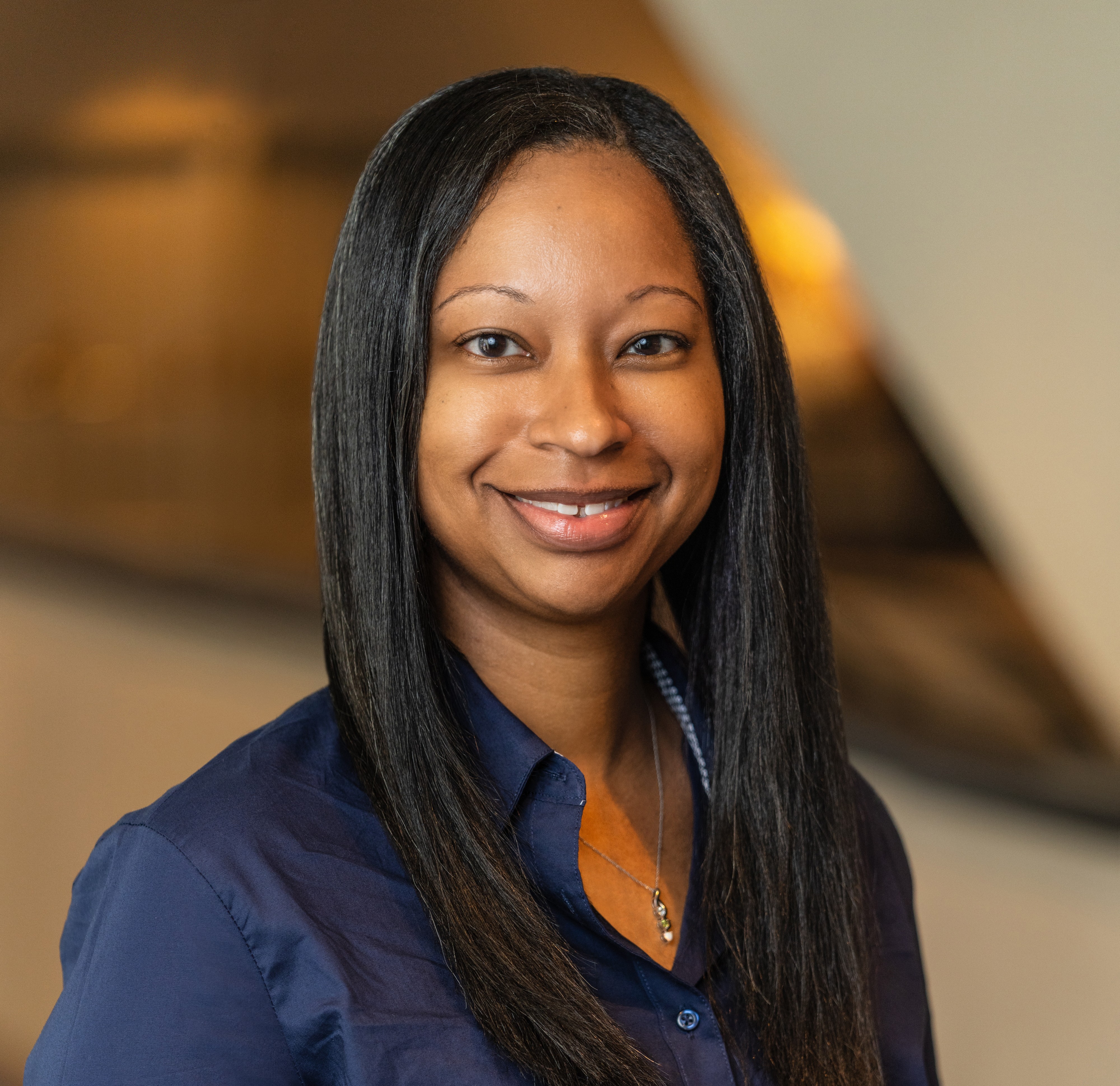
On today's episode, Candice Simon from the Association of Maternal and Child Health Programs discusses the Maternal Health Innovation Leaders Mentorship Program and the value of meaningful professional guidance in public health.

 Spotify
 Apple Podcasts
 Amazon Music
 Mentorship plays a critical role in supporting professionals at every stage of their careers, from early-career employees finding their footing to experienced leaders thinking about succession planning and long-term impact. Candice Simon, program manager of workforce development and capacity building for the Association of Maternal and Child Health Programs, tells us about the Maternal Health Innovation Leaders Mentorship Program and the value of meaningful professional guidance in public health. Simon explains how the program connects professionals in maternal and child health with experienced mentors, outlines what makes an effective mentoring relationship, and discusses how mentorship can help address burnout, isolation, and career uncertainty. She also highlights the importance of peer networks, honest feedback, and creating supportive spaces for professional growth.
Strengthening Academic Health Department Partnerships: Workforce Pathways in California
Public Health Infrastructure Grant: Resources & Impact - PHIG

JOHN SHEEHAN:
This is Public Health Review Morning Edition for Wednesday, June 3, 2026. I'm John Sheehan with news from the Association of State and Territorial Health Officials.
Today, how mentorship strengthens the maternal and child health workforce. Candice Simon, program manager of workforce development and capacity building for the Association of Maternal and Child Health Programs, tells us about the Maternal Health Innovation Leaders Mentorship Program and the value of meaningful professional guidance in public health.
CANDICE SIMON:
So, the Maternal Health Innovations Leadership Mentorship Program is a project of the Maternal Health Action and Resource Center, also known as MHARC. It facilitates connections between leaders and state health innovation within a structured framework. So, the program features various activities and instructional sessions aligned with maternal child health leadership competencies, and also draws on AMCHP extensive experience on enhancing career paths through mentoring.
SHEEHAN:
Gotcha. So, is the program matching younger people in their careers up with mentors?
SIMON:
Yeah, a mix. We will match early career professionals as well as those that might just be new to that particular role in maternal and child health, and they just need a little guidance since they're switching career paths.
SHEEHAN:
Got it. And so, how does that partnership work? What does one look for in a mentor?
SIMON:
Oh, that's a great question. So, you want to look for someone with experience in your field of interest, especially if they have had a journey similar to yours. You want to choose someone who is an active listener, and generally engages with your ideas and concerns. It's beneficial, helpful if you have a mentor who is also willing to learn from others. We don't know everything, so you want someone that's willing to connect you with someone that might have more of an expertise in the area that you're interested in, and you also want to ensure that the mentor can dedicate enough time to support you effectively. You don't want to find someone that has not a lot of availability, and it's not any fault on anyone, but you want to make sure that you are getting your needs met, and that they're able to provide the support and guidance that will ensure a positive and supportive partnership.
SHEEHAN:
And you mentioned that you know, the program has a mix of ages and people at various points in their career path. So, when should someone be looking for a mentor?
SIMON:
Another great question. Honestly, there's never a wrong time to find a mentor. It really depends on what you need in that moment of your career. So, for example, early in your career, a mentor can be incredibly helpful as you're just getting your footing. They can guide you, answer questions you might not even know to ask yet, help build your confidence as you step into a new space. Mid-career mentorship often becomes more strategic. That's when you start thinking about what's next, whether it's growing into a leadership role, expanding your skills, or even pursuing additional education. A mentor can help you see possibilities and challenge you to stretch, and then later in your career, mentorships can take on a different meaning. It's often less about figuring things out and more about being 'intentional-thinking' about your legacy, succession planning, and how you're passing along your knowledge and experience to others. If I have to sum it up, mentorship evolves as you evolve, but it's valuable at any stage.
SHEEHAN:
And Candice, it seems like, especially for those sort of mid-career professionals, it could be an opportunity to address maybe burnout that might be happening. You know, as can happen in any career, when you've been in it for a number of years, things you can get into a rut.
SIMON:
Absolutely, so mentorship can play a really important role in preventing things like burnout and reducing feelings of isolation, feeling stuck. That at its core creates a safe space for honest conversation and reflection. Ideally, a mentor is somewhat removed from your organization, which makes it easier to speak openly about challenges, stress, or uncertainty without fear of judgment or professional consequences. Instead of feeling like you have to figure everything out on your own, or worrying about how you might be perceived, a mentor can give you— gives you someone you can talk to who understands the work. They can offer perspective, ask thoughtful questions, and provide both encouragement and honest, constructive feedback. You don't want anyone just telling you stuff to make you feel good. Sometimes that looks like reassurance, validation, other times it's hearing, like I said, the hard truths you need in a way that still feels supportive. And ultimately, mentorship reminds you that you're not alone, and that alone can be a big difference in sustaining your well-being in this field.
SHEEHAN:
Yeah, absolutely, and for someone who's hearing this and maybe resonating with either the thought of, you know, being in kind of a stuck place or having some of that guidance to offer, how would you, how would you recommend people get involved or find resources?
SIMON:
One way you can look into resources in obtaining mentorship, if you don't have one in mind, or a person in mind already, you can tap into existing mentoring groups. For example, the Maternal Health Innovation Leadership Mentorship Program's really good. There are, like I mentioned earlier, we have didactic sessions, one-on-one meetings with your mentor that you're matched with, as well as peer groups, where you get to interact with others in the field that's your peer. And then we also have AMCHP's Leadership Lab, which is similar in that it provides a peer support network of cohorts, as well as one-on-one mentorship with those that are in similar fields that has more experience within the world of maternal child health. But with Leadership Lab, it's broken down to five cohorts: new directors, we have the management accelerator cohort, family leaders, epidemiology peer-to-peer cohorts, and the adolescent health leadership cohort.
SHEEHAN:
Candice Simon is a program manager of workforce development and capacity building for the Association of Maternal and Child Health Programs.
Join ASTHO and the Public Health Foundation on June 18 for an insightful webinar exploring the power of academic health department (AHD) partnerships. In this session, participants will gain a foundational understanding of AHD partnerships and hear how the Public Health Institute, the PHI Center for Health Leadership and Impact, supported by the California Endowment, developed the California Academic Health Department (CAHD) initiative. The CAHD initiative successfully bridged the gap between local health departments and academic programs of public health to create a structured workforce pathway system. Find more at the link in the show notes.
Stronger public health systems build stronger, healthier communities. The Public Health Infrastructure Grant website is your go-to hub for tools, resources, and real-world stories that showcase how public health agencies are transforming systems, strengthening partnerships, and driving long-term impact. Explore the site and be inspired. The link is in the show notes.
This has been Public Health Review Morning Edition. I'm John Sheehan for the Association of State and Territorial Health Officials.