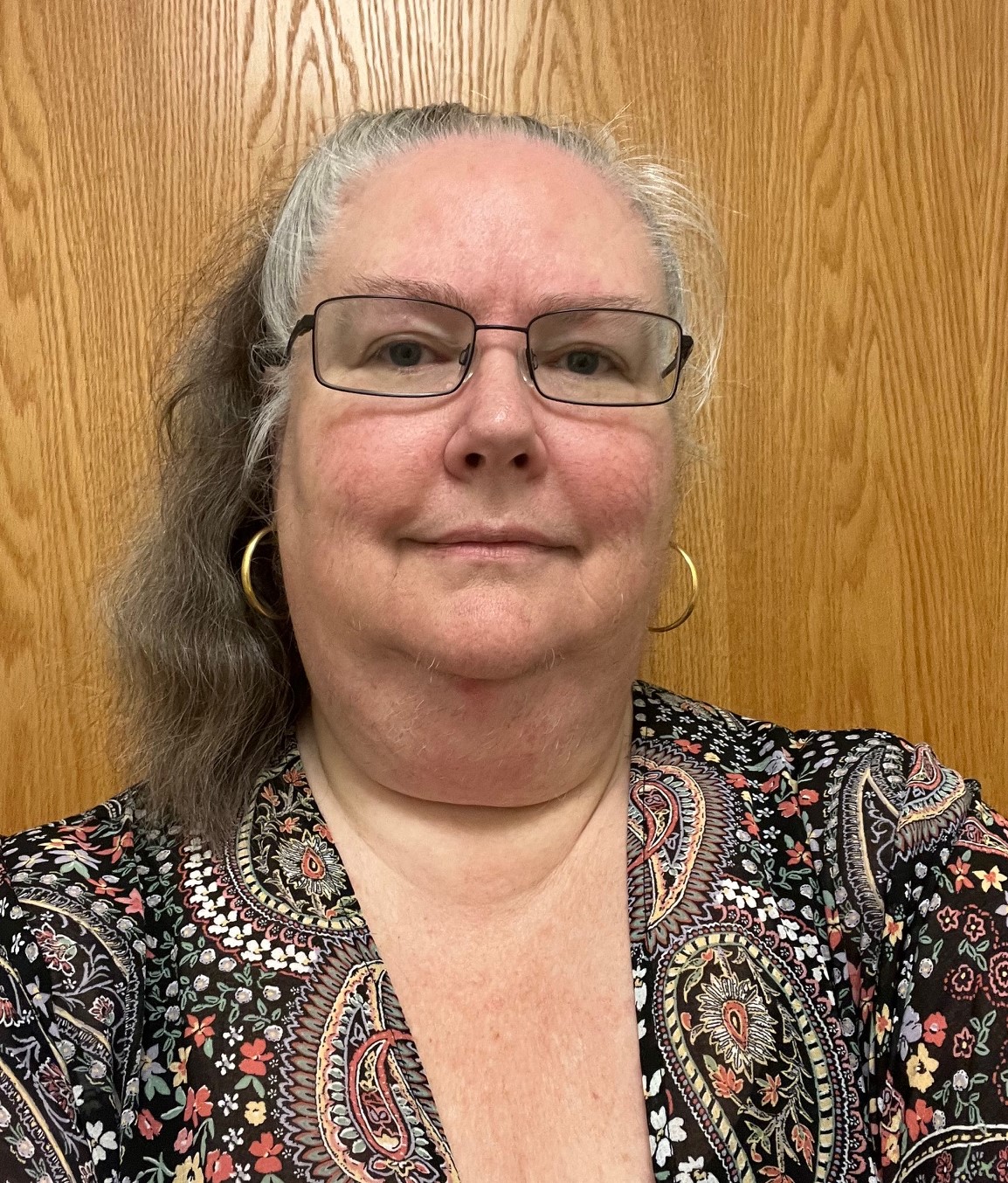
On today's episode, Mary Ramirez from the South Carolina Department of Public Health discusses the agency’s innovative onboarding program for new employees.

 Spotify
 Apple Podcasts
 Amazon Music
 A new employee’s first days can shape their entire experience with an organization. For public health agencies facing workforce challenges, effective onboarding is an important investment in long-term success. Mary Ramirez, interim director of onboarding and acclimation at the Bureau of Organizational Development in the South Carolina Department of Public Health, discusses the agency’s innovative onboarding program for new hires. Designed to create a consistent experience across the state, the program introduces employees to the agency’s mission, values, leadership structure, and programs while emphasizing real-world application and engagement.
Home | PublicHealthCareers.org
Public Health Workforce | ASTHO
DELPH Open House | ASTHO Webinar

JOHN SHEEHAN:
This is Public Health Review Morning Edition for Wednesday, June 24, 2026. I'm John Sheehan, with news from the Association of State and Territorial Health Officials.
A new employee's first days can shape their entire experience with an organization. For public health agencies facing workforce challenges, effective onboarding is an important investment in long-term success. Today, Mary Ramirez, interim director of onboarding and acclimation at the Bureau of Organizational Development in the South Carolina Department of Public Health, discusses the agency's innovative onboarding program for new hires, designed to create a consistent experience across the state. The program introduces employees to the agency's mission, values, leadership structure, and programs, while emphasizing real-world application and engagement.
MARY RAMIREZ:
It is a two-and-a-half-day orientation. It goes through and covers our mission, our vision, our core values, our strategic plan, our leadership structure, and our programs, so it's a lot of information.
SHEEHAN:
Yeah, certainly. And what makes this onboarding different, and how does it highlight some of those values you talked about?
RAMIREZ:
One of the things that we wanted to do when we transitioned into being the South Carolina Department of Public Health was to make sure that our onboarding was consistent across the state. And we got together with our central training team and our leadership training team, and we really looked at what each area of our agency was focusing on, and we decided to combine the best of all of those into this process. And a couple of things that really stood out for us is that we needed a good way to make this interactive. And we have a really neat system here, an internal dashboard where different parts of the bureaus and different parts of the agency will post stories about what's going on. And one of those we use for our case scenarios, where we look at our core values within the agency, and these teams have self-identified which core value they were trying to exemplify, and we also go on to explain that in any given effort, more than one core value is going to show up. So, there's really no right or wrong answer, it's more about what the team itself identified. And a really great example of that is when our Healthcare Quality Division, they hosted an abuse and neglect workshop to educate facilities and the community about some of the concerns in long-term care facilities and residential care facilities. And they work not only with our Healthcare Quality Division, which does those inspections, but our Office of General Counsel, which really helps with the regulation itself. Another one was the Vector-Borne Disease Lab. They hosted sessions at the South Carolina Mosquito Control Association meeting, and they worked with the participants. There were 88 participants from mosquito control agencies across the state who came together, and they partnered up with not only Charleston County, but Richland County to do microscopes and specimens to really look at the process that they go through in making sure that they have good controls in place for monitoring West Nile virus transmission. So, those were just two great examples, and their concept there was inspiring innovation. We also have an exercise in customer service, so how do people perceive us? When you look at somebody's badge, and it says they work for a hospital, you don't immediately go, "Oh, they must work in IT, or they must work in accounting. You think, "Oh, that's a medical professional." And that happens to us quite a bit. We are public health, so we want to talk to our staff, because people will approach us, they want information, they need help, and not all of us do the same thing. Clearly, I'm in training. I'm not a nurse, and we might know a lot about what's going on, but we're not specialists in that field. But we don't want to lose that opportunity to make connections with the community we're serving. So, how do we take that information in? How do we assist those people even when it's not our field? And we talk a lot about that, and we also look at our external website and the information that it provides, because it's really easy to say, "Oh, well, we have a website, and you can look that up," but as we all know, searches only yield the results for the prompts we put in. So, if people don't know to ask the question in a certain way, they can get lost, and we certainly don't want that for our community, especially when they have a need. And I'll give you some great examples of that. When you think about it, oh, there was an animal bite. Well, that's the rabies program, but you're not going to type in rabies, are you? The same thing might happen with your needing shots for someone in your family, a child, even, you're not going to say, 'Oh, I need to get my child immunizations.' You're saying to give a child shots, so we really want to help people find the information they need, so our staff needs to be trained in how to talk to people about that.
SHEEHAN:
Absolutely, and that makes a lot of sense. Have you seen the benefit to new employees, sort of, reflected in their new behavior?
RAMIREZ:
I believe we have. It's really hard to come into a new environment to take a new job. It doesn't matter what job you're starting; it's an unfamiliar environment. You don't know everybody, and it gives our staff an opportunity for that solid point of contact. Also, the information we provide, we recognize that it's an overwhelming amount of information. We are sharing so much about who we are, what we do, and how we do it, and it's two-and-a-half straight days of this orientation, so you can't retain all that information. So, what we have is, we have the slide presentations that we send to them after the fact, we have links, we have backup videos, we have a SharePoint site dedicated with the links to the important components already set right in front of them. So, we feel like that not only helps ease the pressure but lowers the stress level of being in a new environment, which builds a really great foundation.
SHEEHAN:
Yeah, and how did you come to the decision organizationally that it was important to get new employees all on the same page?
RAMIREZ:
Well, we really thought about employee retention. How do we make sure that everybody is getting the same solid foundation to start there? What we hope is a long career at the agency. And we really thought about the whole engagement piece, and what that means, and recognize that for us, it means empowering our staff to succeed. And empowering them to succeed means that we provide the information, we provide the context, and we provide those contacts that can really help people to get their questions answered.
SHEEHAN:
Do you have any plans to expand the program or change it in any way in the future?
RAMIREZ:
Yes, we do. We are constantly updating and refining. We want to use current and relevant examples in our scenarios to highlight our core values. We want to be sure that our strategic plans and initiatives are current and those are ever-evolving in a public health environment. So, we not only use those things to update on a continual basis, but we take feedback from the individuals. There's an anonymous survey where they can offer their experience and their understanding of the process, and give us tips, and we adapt based on that. Sometimes they'll say, "Oh, that presentation on how to apply for mileage reimbursement was really intense, and I felt like it was overwhelming." We cut back on the details because that is certainly something we can follow up with at a later time. It's important that they know that that is available, but it is not as important that they know how to do it right away. And we also look to our partners, not only at the Region Four Public Health Training Center, CDC, and other states, for things that are successful in their environments as well, and we can take that information and adapt it for our use in these trainings as well.
SHEEHAN:
Mary Ramirez is interim director of onboarding and acclimation at the Bureau of Organizational Development in the South Carolina Department of Public Health.
One of the critical pieces of bolstering public health and creating sustainable change is building a thriving workforce, from recruiting early career professionals to fostering supportive work cultures. ASTHO's workforce portfolio provides resources that governmental public health leaders can use to build resilient and robust agencies. Check out these opportunities to connect with peers and potential future public health professionals, and take advantage of our curated set of resources to strengthen your agency workforce and performance. The link is in the show notes.
The application window for the 2027 Developing Executive Leaders in Public Health, or DELPH, program will close on July 31. To support applicants in the submission process, join ASTHO for the DELPH Open House, hosted by Director of Leadership Development Programs at ASTHO, Latoya Sahadeo. This interactive session is designed for prospective applicants to ask questions and hear best practices before the deadline. DELPH is designed to elevate mid- to senior-level governmental public health professionals through a cohort-based experience that includes executive skill building, personalized coaching, peer support, and access to national thought leaders. Find a link in the show notes.
This has been Public Health Review Morning Edition. I'm John Sheehan for the Association of State and Territorial Health Officials.