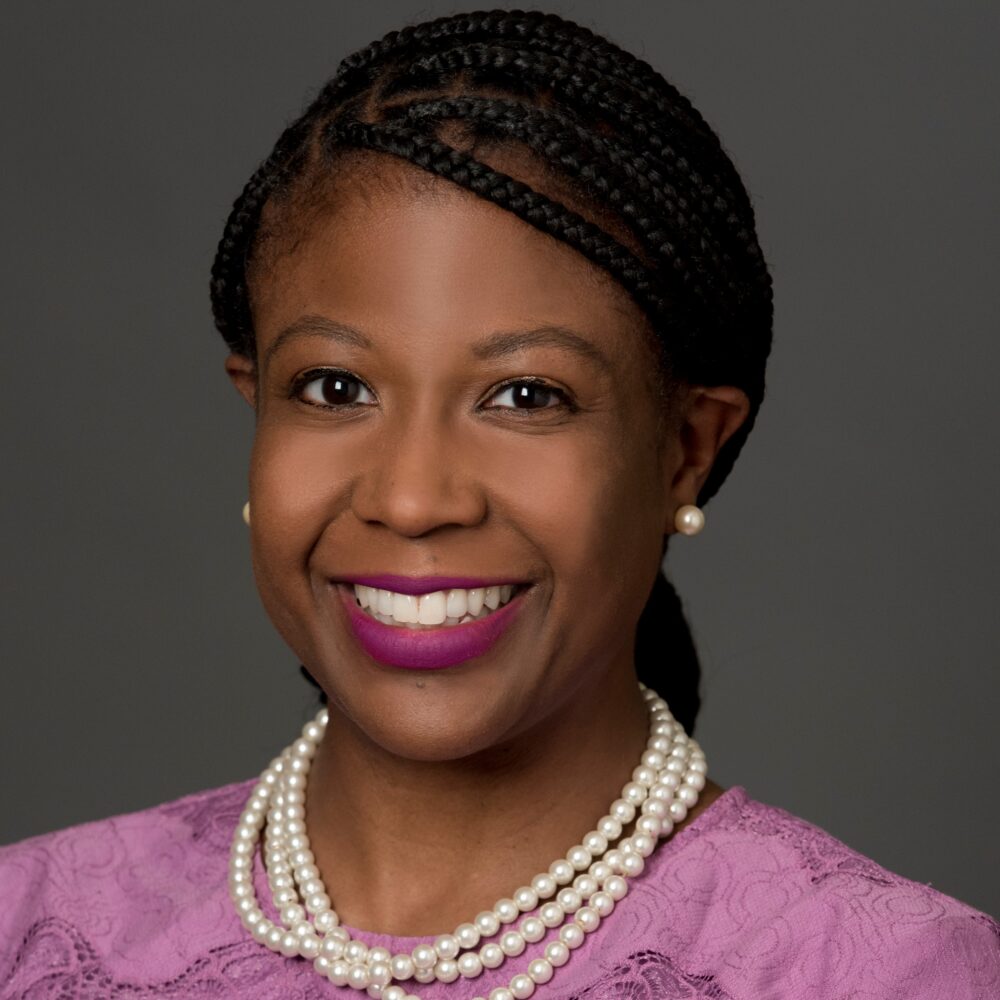
On today's episode, Breanca Merritt from Trust for America’s Health discusses a new report that tracks how states are adopting evidence-based policies to improve health and reduce costs, amid a constantly changing political and fiscal environment.

 Spotify
 Apple Podcasts
 Amazon Music
 What do school meals, housing, paid leave, and pre-K have to do with public health? According to Trust for America’s Health: everything. In this episode, Breanca Merritt, director of policy at Trust for America’s Health, breaks down a new report titled Promoting Health and Cost Control in States (PHACCS), that tracks how states are adopting 13 evidence-based policies that improve health, reduce long-term costs, and deliver a return on investment, many of them outside traditional health care. But this isn’t happening in easy conditions. With federal funding shifts, post–public health emergency rollbacks, workforce strain, and growing political pressure, states are being asked to do more with less. The report serves as both a reality check and a playbook, highlighting strategies that are working across very different political and fiscal environments. The takeaway: even in a tough moment, there are practical, evidence-based ways to move policies that improve health and strengthen communities, if sectors work together.
Promoting Health and Cost Control in States (PHACCS) | Trust for America's Health
Connect with ASTHO on LinkedIn
Leadership Power Hour: Your Launchpad for Impact | ASTHO

JOHN SHEEHAN:
This is Public Health Review Morning Edition for Thursday, February 12, 2026. I'm John Sheehan with news for the Association of State and Territorial Health Officials.
Today, we'll hear about a new report, which tracks how states are adopting 13 evidence-based policies that improve health, reduce long-term costs, and deliver a return on investment, many of them outside traditional health care. Our guest is Breanca Merritt, director of policy at Trust for America's Health, which created the report titled, "Promoting Health and Cost Control in States."
BREANCA MERRITT:
So, Trust for America's Health has an initiative that's been around since about 2018 called the Promoting Health and Cost Control in States Initiative, also known as facts. And so, this work has identified 13 evidence-based policies that states can pursue to promote health, and well-being, and produce a cost-savings, and have an economic return on investment. So, in the past several years, our organization had identified those policies and kind of checked out, you know, how effective they are and how they're working. And so, this iteration of the work that resulted in our report focused on how states are doing in those areas. We identified these policies. How are states actually implementing or adopting some of these to make a difference where they are? So, the report primarily looks at three different things. One, well, first, I'll say who the audience really is for this work. Anyone who's working in state government, including state health officials, folks who are working in state agencies, but also folks who are working at the advocacy level on the ground, really moving some of these different policies forward. The second group of folks includes legislators who are, you know, responsible for, of course, implementing these things through legislative action, and also folks who are interested in these topics in all those roles, but outside of traditional health and public health areas. And these policies really span not just kind of traditional health and public health, but also things that we consider to be in non-medical driver spaces. So, things related to housing, paid leave, universal pre-K, and other things that public health recognizes a whole is important, but that aren't typically consistently in our purview, as in governmental public health, or even outside of government.
SHEEHAN:
And the report is sort of set in the context of a changing federal funding landscape, and so, the report makes clear that it's identifying both funding challenges, but also opportunities that states have sort of come up with. Right?
MERRITT:
Yes, we do set up how we would like the audience to engage in a few different ways. So, to your point, one thinking through what the federal landscape looks like, we know there's been a lot of shift happening, both in terms of certainly the funding environment federally that federal agencies provide to states to implement some of these policies, but also the infrastructure related to advancing that work. So, we do take some time to highlight, first, what are the federal changes that have happened, especially in the post-COVID public health emergency environment, where we saw a lot of investment in some of these strategies that have since been pulled back. So, just highlighting generally what that environment looks like and how states have adjusted. Secondly, we worked directly with state advocates, state government leaders to hear about what that process has looked like for them, both before and since the post-COVID public health emergency environment, but also in the post-2024 election season to get a sense of what strategies they've employed to move this work forward, as well as some of the challenges that they faced in moving this work forward. And then lastly, we highlighted the status of each of these 13 areas in terms of what the federal fiscal environment looks like for advancing some of this work, and also highlighting opportunities that states could pursue advancing the work absent federal support. So, it's a good mix of strategy, innovation, cross-sector partnerships, and also the reality of what it looks like to navigate this more challenging time in public health policy.
SHEEHAN:
Absolutely, and let's drill down into a couple of those areas. What are some takeaways from the report?
MERRITT:
Sure, I think one major takeaway is that yes, this is a challenging time, but states more than ever have really had to be incredibly creative and insightful about not just what can be used to advance the public's health, but also to think about how we're centering and communicating effectively the needs of folks on the ground in our states and communities to make sure that that is the priority in really making sure that all the support, fiscally, infrastructure-wise, really centers those needs. And that's been really good to see, but also understanding the challenges that it sounds great, but it's not as simple as I'm saying it, the complexity of not just working in state government, but folks who are also on the ground doing the grassroots work are all. So, facing a ton of challenges fiscally and structurally as well, another thing we really try to lift up in the report is the diverse ways in which states are trying to advance some of these efforts. And so, there's no one-size-fits-all, as I'm sure folks know, if you work within one state, a lot of what works in that state works there, maybe not elsewhere. But what we tried to do is lift up strategies that are working across all kinds of different states and political environments. And so, also giving folks some, I think, some hope. I think often at the national level, things might look bleak in terms of just the numerous, you know, hits that public health, in particular, is taking, but understanding the cross-sector strategies that states are employing are critical. So, in addition to thinking about community and other types of infrastructure opportunities, I also want to lift up the fact that states are really clear to us about the importance of communicating how important issues are, both to the lay public and also to legislators to advance some of this work. And also, the need for local and community evidence, and when they have those stories, they have the numbers, and they can present that to legislators, advocates, whomever, it really helps advance some really complex policies that they know have a higher return on investment, even in our current environment. I think another thing that's important here is that a lot of what we've seen has been bipartisan in nature, and to understand that that's happening at the state level, where state legislative environments have been increasingly politicized, is also positive when we're thinking about some of these specific topical areas that require that bipartisan support to move them across the finish line.
SHEEHAN:
What are some examples of state innovations or or this diversity of strategies.
MERRITT:
I think one example is universal school meals. We've seen across a number of states who are pursuing this work and also doing it in a bipartisan way. So, we lift up in our report, the case of Arkansas, we spoke with some advocates there as well to understand how they were able to advance a universal school breakfast policy using, you know, a lot of tax revenue, including from a variety of different sources, working with a new governor to really spearhead that work after working closely with the state legislature for years, getting folks on board over time. And then really this most recent year leaning into data, showing, you know, increases in rates of kids with more hunger, less access to food, and kind of all those things culminating in an opportunity to really advance something that's needed by a lot of kids across the state, regardless of income. And so, I think sometimes we want to paint a broad brush about the types of states that advance some of these policies and the types of political environments that exist, but ultimately, folks have told us across the board that it's really about just kind of meeting the moment and also finding those key allies and being able to communicate very clearly and with evidence stories, a lot of strategies that we know are tried and true, but I think importantly that a lot of those strategies still work even in a time where things feel hyper-politicized and really intransigent.
SHEEHAN:
And could you give us an example of sort of the type of creative thinking that goes into sort of navigating these funding challenges?
MERRITT:
Sure, I think some of it is well, one, I think just facing the reality of what's going to happen, and I think at the state level, particularly in government, folks have looked for a while recognizing that with the decrease in COVID-era funding that it was just, the writing has been on the wall for a while. I think what's expedited some of the challenges that knowing that the cuts that have come have not just been within public health but also across other sectors. And so, when we're thinking about what it looks like to navigate the fiscal environment, the first step is just the reality of understanding where all the cuts are going to be, and also understanding that the full effects of those cuts have not yet been seen. So, I think just the gravity and reality of it, and grappling with that, is a critical step. But, as I alluded to, I think we're seeing so many more states leaning into community partnerships, even when they've existed before, doing the best they can to listen. I think in public health, in particular, there's been more of a push to acknowledge maybe missteps in the past, where we haven't always been in touch with community and integrated into what folks are needing. And so, really highlighting some of those opportunities about what could be from the ground up is definitely something that we're seeing states not necessarily investing more time and money into, but just the desire to and the willingness to and really leveraging the opportunities that exist to be as in tune as possible to what focusing on the ground, which enables them to make a stronger argument about where the gaps exist and where the investment should go. So, I think for us that was something that consistently stood out.
SHEEHAN:
So, Breanca, the report is certainly a combination of opportunities, but very much couched in the challenges of the moment. Could you talk a little bit more about the nature of the challenges and how great it is to sort of think positively and creatively with opportunities, but taking a clear-eyed look at where we are?
MERRITT:
Sure, I think we definitely highlight in the report just the creative and unique ways that states are advancing some of these, frankly, often costly and upfront costs with some of these policies, but also being able to be strategic around that work, that's certainly a key theme here. But we also lean into the fact that these are significant, unprecedented reductions in federal funding, and infrastructure, and workforce. And so, when you're combining those federal cuts with the anticipated state budget cuts and federal increasing requirements on things like SNAP and Medicaid reporting, it's really straining our system. And so, certainly state government advocates can be as creative as they want, but we really do want to recognize that these reductions are substantial. And it's unfair in a lot of ways to have states bear the burden of creativity and cost-sharing and savings to make some of not just these policy recommendations work, but also just core public health infrastructure. I also want to add that, in addition to states having to strategize around this work, they're also navigating a lot of false claims and skepticism, even in some of these spaces. So, we talk about public health, but this report also talks about areas outside of public health and traditional public health infrastructure, like housing, education, et cetera. And so, what we have also learned is that it's really important for states in public health roles to lean even more into our partners in other sectors, because they're really in the same boat in terms of facing these massive cuts. And so, that cross-sector collaboration that's often really hard to achieve, even in the best of times, is really something that's going to be critical to advance the public's health, especially beyond traditional public health infrastructure.
SHEEHAN:
And does the report touch on, sort of, non-medical intervention policy suggestions, things, you know, related to child nutrition, things that sort of can take place before intervention?
MERRITT:
Absolutely, so the premise of this entire initiative, including this report, is really to think about those community and structural drivers related to health, non-medical drivers of health. And so, historically, public health is really focused on, you know, in practice, a lot of emphasis has been on kind of these health-related social needs efforts and doing more direct service or thinking about social drivers and recognizing their importance. But a lot of these policy areas being kind of outside of the traditional purview of a public health or health and human services department. So, it's critical that these topics are seen as a part of public health, while recognizing that public health in its current form doesn't really have the capacity to pursue all those things. So, it's again kind of leading to the importance of these kind of cross-sector opportunities to advance the public's health, knowing that they're critical. And also, knowing that working together is going to be so important to advancing public health, knowing that all of our sectors are challenged fiscally and structurally to do this work in a vacuum. So, thinking about this opportunistically, I think, will help advance these policies that are again a mix of kind of traditional policies in public health, such as smoke-free environments, walkability, but also things with experts who are not in our field, but who are definitely facing the same fiscal, structural, and other community challenges that we do in public health.
SHEEHAN:
Breanca Merritt is director of policy at Trust for America's Health.
Want more public health insights beyond the podcast? Follow ASTHO on social media for the latest news, resources, and conversations shaping state and territorial public health. You can find us on Instagram, Facebook, X, LinkedIn, and Bluesky, where we share updates from the field, new tools, policy developments, and stories from health leaders across the country. Follow ASTHO wherever you scroll and find those links in the show notes.
A new Essentials of Leadership and Management series titled, "Leadership Power Hour: Your Launchpad for Impact," equips public health leaders with strategic insights and tools needed to lead with confidence and drive meaningful change over the course of five sessions. These insightful one-hour programs explore key leadership competencies essential for driving organizational success. The Leadership Power Hour prepares supervisors and managers to become more effective in their roles within governmental public health agencies. The Power Hours are designed to improve professional skills as a leader and include live facilitated online training opportunities to collaborate with peers and access to in-depth, self-paced learning. For more details or to register, check out the link in the show notes.
This has been Public Health Review Morning Edition. I'm John Sheehan for the Association of State and Territorial Health Officials.