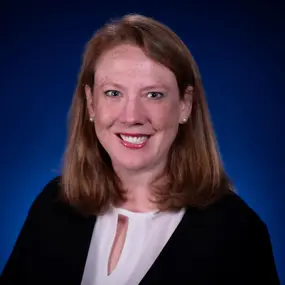
Brannon Traxler, ASTHO board member and acting director of the South Carolina Department of Public Health, discusses how coordination among public health, law enforcement, emergency medical services, treatment providers, and community partners has led to a two-year decline in overdose deaths.

 Spotify
 Apple Podcasts
 Amazon Music
 South Carolina has seen overdose deaths decline for two consecutive years. Brannon Traxler, acting director of the South Carolina Department of Public Health and an ASTHO board member, discusses how coordination across public health, law enforcement, emergency medical services, treatment providers, and community partners is helping drive those gains. Traxler explains how the state has worked to saturate communities with naloxone and normalize its use, while a rapid-response team reviews overdose and drug seizure data each week to identify emerging hotspots and target resources where they're needed most. She also discusses how the emergence of drugs such as xylazine, medetomidine, and nitazenes is changing the overdose response and why public health messaging must continue to evolve with the illicit drug supply.
Strengthening Policies to Prevent Older Adult Falls | ASTHO
PHRME - Building Strong Community Connections for Healthy Aging
Prioritizing Community-Clinical Linkages to Prevent Falls in Older Adults | ASTHO

JOHN SHEEHAN:
This is Public Health Review Morning Edition for Monday, September 21, 2026. I'm John Sheehan with news from the Association of State and Territorial Health Officials.
South Carolina has seen overdose deaths decline for two consecutive years. Today, Brannon Traxler, acting director of the South Carolina Department of Public Health and an ASTHO board member, discusses how coordination across public health, law enforcement, emergency medical services, treatment providers, and community partners is helping drive those gains.
Dr. Brannon Traxler, welcome back to the show.
BRANNON TRAXLER:
Thank you. Thank you again for having me. Always great to be here.
SHEEHAN:
Absolutely. So, Dr. Traxler, South Carolina has seen declining overdose deaths for the last two years, much to celebrate. What has been having the biggest impact on those decreases?
TRAXLER:
So I think that it is very multi-factorial, and it is a very much a multi-agency, multi-entity approach. I think that the coordination is a big component of it, both in getting the word out, but also in getting not only resources like treatment for treatment out there, but getting things like Narcan. We have worked so hard to saturate the state with Narcan, naloxone, and really making it easily available for anyone and everyone, and encouraging people to have it available and to use it, and really trying to to normalize that, I think has been has been significantly helpful in terms of ensuring a lot of overdoses are not fatal.
SHEEHAN:
Fentanyl has still been a factor in many overdose deaths. How does that shift the response? How do you plan for it?
TRAXLER:
Sure. So fentanyl has been, for years now, the most common drug that we are seeing in these overdose deaths, and that is the one that is so lethal because, you know, it does take a small dose, and that people may or may not even know that they're taking it. They may think they're taking something else, and it's laced with fentanyl. The good news is that fentanyl is reversible with naloxone. There is the antidote, so to speak, and so it is a nasal spray that anyone out there, without really any training, you know, can pick up and administer to someone. And so the approach then for fentanyl has been for us is to again increase awareness, increase awareness about fentanyl and the dangers of it, but also saturating the communities. I mean, just getting access, normalizing people having Narcan and naloxone, being willing to use it. That I think has led to a significant number of the decreases because fentanyl is the most is the predominant drug. We have recently done a little shifting with some of our messaging with overdose prevention too, because we're seeing the emergence of some other drugs here more recently, like that are adulterating the fentanyl supply, and you know, such as xylazine, and medetomidine, and and the nitazenes, and so that are not reversible by naloxone, and so we're we're starting to put some information on, you know, hands-only CPR and some just facial shields, some mouth barriers, plastic little mouth barriers for people need to do mouth to mouth and explain if the naloxone doesn't resuscitate them, you know, to be while you're calling 911, be giving these rescue breaths, but staying aware of what is out there, and shifting our response due to it is is critical.
SHEEHAN:
Yeah, absolutely. Awareness, messaging, access to naloxone- huge. What has been your strategy towards location? Some counties saw more decreases than others.
TRAXLER:
Right, and so our strategy first and foremost is just to saturate with naloxone. Is really get it out anywhere and everywhere. Our opioid emergency response team that was set up some years ago by our governor, has a small subgroup of us that meet once a week. That's really a rapid response team meeting that reviews overdose EMS data from literally just the week before and sees where we're seeing hotspots; it also has law enforcement who are bringing the reports of seizures of illegal drugs from the week before. Looking at that, we can target. We can say, okay, they were seeing excess overdoses in this area, or we're seeing more seizures in this area. And then our partners on the calls who help work with the drug and alcohol facilities, treatment facilities, and prevention facilities will go out and do some targeted outreach and say, "Hey, we need you know we're seeing a lot of activity in your community. We need to pick up; we need to pick it up with the messaging and getting Narcan out there.
SHEEHAN:
And that hearkens back to your original point that it's been a multifactorial approach to bringing these down. Describe some more of those roles of partners and working across agencies, across organizations.
TRAXLER:
Absolutely, and I do think that is something that we do very well in South Carolina, and this is a great example of it. Is as these calls, I mean, we keep. Does this rapid response team is a pretty small group because it is you know fairly confidential information, but we try to be as inclusive you know as we can for for the entities that you know would benefit and can be a great partner, and so you know it involves multiple levels of different law enforcement. Again, saying what they're seeing and taking the word back, we're involved, you know, with data from, like overdose from EMS. We've got the poison control center for the state represented on the call, so they'll tell us if they're noticing an influx of calls around a certain substance or certain issue, and then we've got, of course, our drug and alcohol prevention treatment agency and their team that are connected with all of those centers around the state, and are also part of the larger agency that includes our office of mental health. You know, and then we do have other programs too, like post-overdose community paramedic kind of programs that are on board, and you know can help with some of the outreach. So it really is about being bringing everybody who's got a stake in the game really there to the table, because it's everybody has their own piece of the puzzle, and it's when we put them all together that we can see the whole puzzle, or at least see better the whole puzzle.
SHEEHAN:
So you're getting input from all these different agencies, different partners. Everyone's sort of contributing data to the pool. How does that then lead to the employment of resources?
TRAXLER:
Sure. And so, part of the group that's on the call are the state authorities for the drug and alcohol treatment centers, and so, and some of their outreach folks. And so, they take that. I mean, we'll say we'll come together and we'll say, okay, we're worried about this county. You know, we're seeing a really excessive number for what we would expect usually here, and yeah, law enforcement will say, "Yeah, we had some, we had some uptick in seizures or whatnot," and so they will go back then and reach out specifically to the facilities in those in that area and work with them in terms of just first of all awareness that they have some. We're seeing some trends of you know right real time increases, and also then work with them on increasing messaging, increasing again distribution of naloxone. You know what? See what they need assistance with to help get it out to people.
SHEEHAN:
Wow, that paints a really fascinating but encouraging picture of sort of what's happening behind the scenes as conditions change on the ground and communities see this influx of new substances.
TRAXLER:
Absolutely, it is really. I think, like I said, I think is one of the things that South Carolina does do best is just, I mean, coming to the table and working together. Because if we stay in our own silos on this, then we're not going to be nearly as effective.
SHEEHAN:
Absolutely. Any final thoughts?
TRAXLER:
You know, while we're very encouraged, certainly by two years in a row, and this year, by a significant decrease in overdose deaths. You know, I do have some concern about all these emerging newer drugs that are getting that are adulterating the fentanyl and that are not as easily reversed as fentanyl is. So, really, just trying to continue to keep our messaging and outreach updated as needed based on what's being seen out in the illicit drug supply, so that we can really try to get all the education we can to people, as well as the naloxone CPR face shields, et cetera, so they can continue to protect you know their loved ones as best as possible.
SHEEHAN:
Dr. Brannon Traxler, thanks so much.
TRAXLER:
Thank you.
SHEEHAN:
Dr. Brannon Traxler is acting director of the South Carolina Department of Public Health and an ASTHO board member.
This is Falls Prevention Week. Check out ASTHO resources on a topic including expanding falls prevention through surveillance, community clinical linkages, and strategic planning and evaluation, building stronger community connections for healthy aging, and prioritizing community clinical linkages to prevent falls in older adults. The links are in the show notes.
State and territorial health agencies can serve as leaders or partners in initiatives that promote telehealth and advocate for expanding equitable access to broadband. ASTHO offers resources on building telehealth programs to deliver public health services and health education, establishing statewide telehealth governance structures, and tracking state-level policies related to telehealth. Find more at the link in the show notes.
This has been Public Health Review Morning Edition. I'm John Sheehan for the Association of State and Territorial Health Officials.