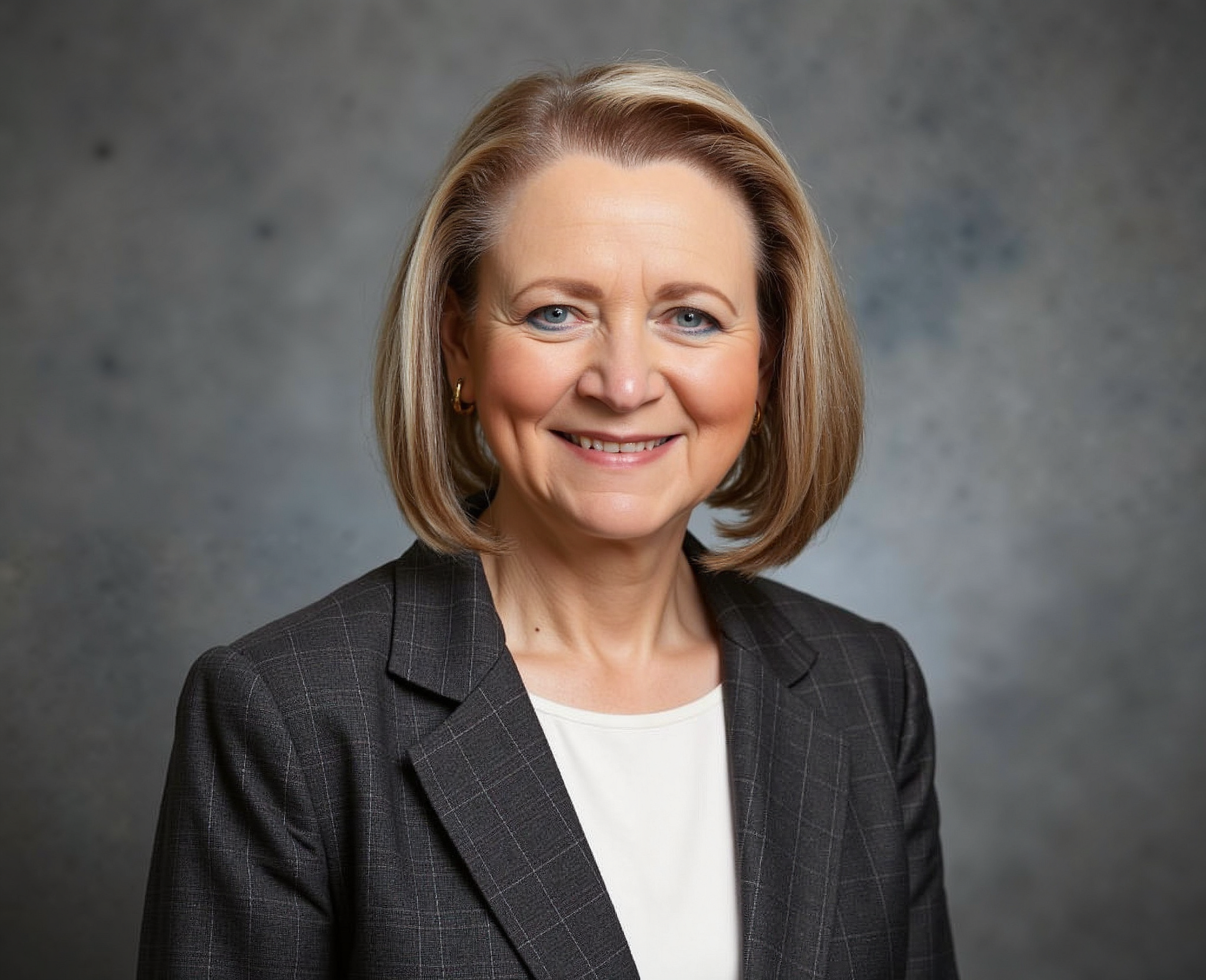
On today's episode, Shirley Orr from the Association of Public Health Nurses shares insights from the Public Health Nursing Workforce Learning Lab series, including what the results of the Public Health Workforce Interests and Needs Survey reveal about this essential group of professionals.

 Spotify
 Apple Podcasts
 Amazon Music
 Public health nurses are on the front lines of community health, but many are facing stress, burnout, and limited opportunities for advancement. In this episode, Shirley Orr, executive director for the Association of Public Health Nurses, talks about the final session in the Public Health Nursing Workforce Learning Lab series and what it reveals about retaining the public health nursing workforce. Drawing on insights from the Association of Public Health Nurses and the Public Health Workforce Interests and Needs Survey (PH WINS), Orr discusses why about a quarter of public health nurses say they may leave the field, and what leaders can do about it. From fostering supportive workplace cultures and strong supervision to creating clear pathways for professional development and shared decision-making, the conversation highlights practical strategies agencies can use to improve satisfaction and keep nurses engaged.
ASTHO (@astho) on X, Bluesky, Instagram, LinkedIn, Facebook

JOHN SHEEHAN:
This is Public Health Review Morning Edition for Wednesday, March 18, 2026. I'm John Sheehan, with news from the Association of State and Territorial Health Officials.
Today, we discuss strategies to reduce burnout and strengthen retention of public health nurses. It's very much on the mind of our guest, Shirley Orr, executive director for the Association of Public Health Nurses, who's hosting a webinar on the topic as part of the Public Health Nursing Workforce Learning Lab series. We'll hear why about a quarter of public health nurses say they may leave the field and what leaders can do about it.
Shirley Orr, welcome back to the show.
SHIRLEY ORR:
Thanks, John, glad to be here.
SHEEHAN:
So, Shirley, in this final session of the Public Health Nursing Workforce Learning Lab series, you're talking about retention and nurse satisfaction. What's a technique that leaders can embrace to change that organizational culture and really encourage nurses to stay long-term?
ORR:
That's a great question, John. In our last session of the Learning Lab, we learned a lot more about the public health nursing workforce and what motivates public health nurses to stay, and then also what causes them to leave. In terms of what helps them to stay, we learned it was really important that there is a positive, supportive work environment or culture in the organization, closely connected to that is a supervisor who provides feedback, support, and helps to foster that safe and positive working environment. Those things are really important to nurses. Nurses tend to be more engaged in their jobs in general when they feel competent, when they feel like they have the skills they need to do their work well, and when they feel that they can be capable and manage the workload. We know that one of the big drivers of nurses leaving the field, especially public health nurses, is stress and burnout. And from the PH WINS data, the Public Health Workforce Interest Needs Survey, we know that about 25% of public health nurses plan to leave the field in the coming years, so everything that we can do to foster that positive climate and environment is really very important. And we just want to emphasize what the critical role is that public health nursing supervisors have in fostering that environment.
SHEEHAN:
Yeah, and this session emphasizes lessons learned as opposed to necessary policy. Can you talk about the difference between lessons learned in real-life situations as opposed to handbooks?
ORR:
Yeah, absolutely. So, among the four nurse leaders that we'll have with us, we'll be hearing about a range of strategies that have worked for them in their organization. One of the leaders will be talking about their experiences with shared governance in their organization, having a model for shared governance, where nurses feel that they can have some input and some ability to influence decision-making in organizations can help with that sense of esteem and competence in their role. We also know that education is really important, and education cannot stop when nurses complete their basic education. There must be clear pathways for ongoing education and professional development. We'll be hearing, I know, from at least a couple of the other nurse leaders with us about how they've done that and how they've incorporated that into, importantly, into their budgets, into available time for ongoing education and professional development.
SHEEHAN:
Yeah, can you talk more about that? Because seeing yourself in a position long-term, you have to have growth.
ORR:
Yeah, absolutely. Nurses that responded in the PH WINS spoke directly about that. Unfortunately, quite a number said that one of the things that was causing them to think about leaving was lack of a perceived ability to advance. I think if, especially with younger nurses, they need to have some vision, some hope that there is a pathway forward for them in the educational process through their job role that can lead to some promotion or significant development in their role. We also know, we know that public health nurses don't come to public health necessarily because of the money. Public health nurses' salaries generally are not competitive with other roles in nursing, but they're very committed to the mission. So, to have the greatest possible ability to do their jobs and do them well, be up to date on advances in public health policy and practice, that's just very crucial for them to be able to function well and to be satisfied with their work roles.
SHEEHAN:
And for leadership who might feel overwhelmed by the number of actions or the number of strategies to reduce turnover, this panel addresses actual actionable steps, correct?
ORR:
Absolutely. Yeah, we know for leadership, critically, it's important. It is. And leadership at all levels is essential. I think sometimes we forget that leadership occurs where people are. We think tend to think about managers, directors as being the leaders in organizations, and certainly that's true. However, everyone leads from whatever position they hold, so working mentoring within the organization to help individuals, regardless of their role, have some ability to contribute to leadership, whether it's through shared governance models, like I mentioned. Or if it's simply mentoring, providing positive role models for others in the workplace, certainly having open channels for communication for directors, managers to maintain contact with people, not only to communicate about those things that are essential to talk about everyday work priorities. But also just to do a check-in and figure out how are they doing, and give them a chance to talk about what the work experience is like for them and what they might need in order to excel.
SHEEHAN:
And this session will bring together leadership from, sort of, across the system, from local leaders to state leadership for agencies that want to move towards, you know, improving nurse retention. Can you talk about the importance of having that, sort of that, breadth of experience?
ORR:
We wanted to give our participants in the Learning Lab a chance to hear from individuals who work in different types of organizations. As you mentioned, we'll have leaders from both state health departments, from local health departments as well. There's a lot of similarities, yet there are differences, certainly in terms of public health and how public health organizations are structured, and that translates into differences in terms of what public health nursing roles look like. So, we wanted to provide a good scope of experiences from across the range of public health organizations that exist today.
SHEEHAN:
Shirley, could we get back to that 25% figure you mentioned? With that percentage of nurses planning on leaving the public health profession, can you talk about the importance of nurses going forward, and why that number specifically is really troubling?
ORR:
I'm so glad you brought that up, John. I think that's something the importance of which we cannot overestimate. We know we've lost significant numbers of public health nurses in recent years, don't have an exact figure, but I can tell you it's impacted agencies, whether they're small health departments, midsize, large, and geography, geographically all across the nation. What does that mean? That means that there are fewer public health nurses, who are the on-the-ground face of public health, who go to people's homes, who go to schools, who go to the workplaces, and build trust within communities. We know that year after year, nurses in general are ranked as the number one most trusted profession. So, we believe that part of public health, restoring trust within communities, which has so eroded in recent years, can be supported by bringing public health nursing into a stronger focus in health departments nationwide.
SHEEHAN:
Hear, hear. Shirley Orr, thanks so much.
ORR:
Thank you.
SHEEHAN:
Shirley Orr is executive director of the Association of Public Health Nurses. You can find a link to the webinar, the last of the Public Health Nursing Workforce Learning Lab series, in the show notes.
Join ASTHO for part one of a new Lunch and Learn webinar series to explore recent Medicaid policy changes and their implications for sexually transmitted infection prevention, treatment, and coverage as part of ASTHO's Policy Institute. This webinar will highlight key Medicaid policy updates, examine potential impacts on STI programs, and discuss considerations for state and territorial health department programs working to maintain the continuity of care. As states navigate recent Medicaid transitions, these shifts may affect access to testing, treatment, and prevention services. While focused on STI prevention, this webinar is applicable to many other areas of public health and open to anyone who would like to learn about the recent changes to Medicaid. You can find a link to that webinar in the show notes.
Want more public health insights beyond the podcast? Follow ASTHO on social media for the latest news, resources, and conversations shaping state and territorial public health. You can find us on Instagram, Facebook, X, LinkedIn, and Bluesky, where we share updates from the field, new tools, policy developments, and stories from health leaders across the country. Follow ASTHO wherever you scroll and find those links in the show notes.
This has been Public Health Review Morning Edition. I'm John Sheehan for the Association of State and Territorial Health Officials.