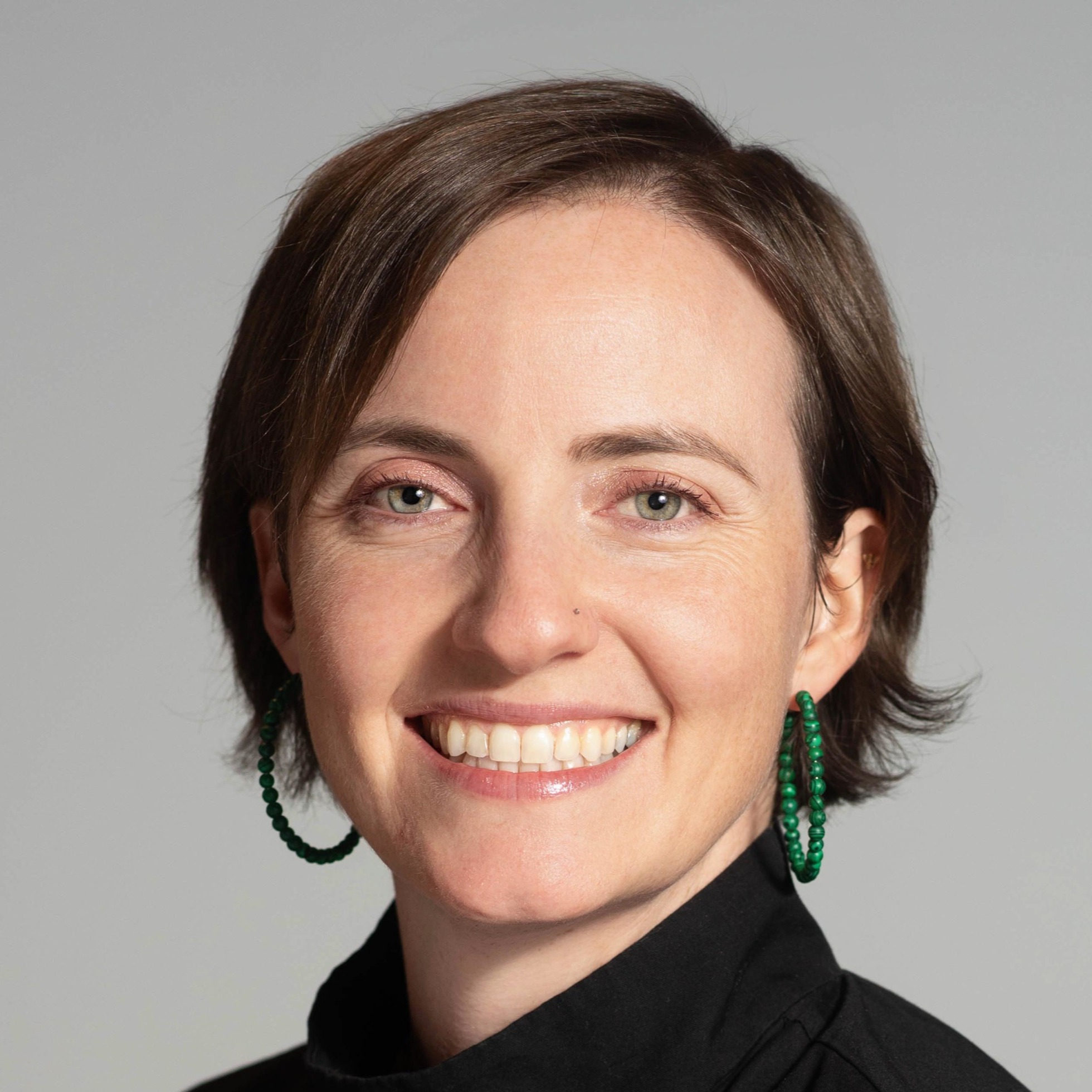
In this episode, ASTHO's JoAnne Deehr highlights ASTHO’s Policy Institute for STI and Infectious Disease Prevention and its offerings to state health agencies and public health professionals.

 Spotify
 Apple Podcasts
 Amazon Music
 Public health programs don’t operate in a vacuum; they’re shaped by policies that influence funding, access to care, reporting requirements, and more. In this episode, JoAnne Deehr, director of state health policy at ASTHO, highlights ASTHO’s Policy Institute for STI and Infectious Disease Prevention and its offerings. She’ll discuss how the multi-part initiative helps state and territorial health department staff build practical policy skills, turning data and program challenges into actionable solutions. The Institute combines an on-demand Policy Academy, live Lunch and Learn webinars on timely topics like Medicaid and STI prevention, and hands-on office hours that allow participants to apply what they’ve learned to real-world challenges in their jurisdictions.
Public Health Data Consortium | ASTHO

JOHN SHEEHAN:
This is Public Health Review Morning Edition for Monday, March 16, 2026. I'm John Sheehan with news from the Association of State and Territorial Health Officials.
Today, inside ASTHO's Policy Institute. JoAnne Deehr, director of state health policy at ASTHO, explains ASTHO's Policy Institute for STI and Infectious Disease Prevention. She'll discuss what the initiative is, who it's for, and how it combines an on-demand Policy Academy, live Lunch and Learn webinars on timely topics like Medicaid and STI prevention, and hands-on office hours that allow participants to apply what they've learned to real-world challenges in their jurisdictions.
So, JoAnne, what is the ASTHO Policy Institute for STI and Infectious Disease Prevention?
JOANNE DEEHR:
So, the ASTHO Policy Institute is a multi-part learning and technical assistance initiative. It's designed for state and territorial health department staff. It helps teens strengthen their policy skills in STI and infectious disease prevention and provides practical tools and guided learning to help translate data and program challenges into actionable policy solutions.
SHEEHAN:
Okay, and why is policy capacity important for agencies, especially when working on STI prevention?
DEEHR:
Yeah, STI and infectious disease programs operate within a complex policy environment, so from Medicaid coverage and reimbursement to screening requirements, reporting laws, and funding structures, even strong programs can face barriers that are ultimately policy-driven. So, building policy capacity allows health department staff to better understand those levers, engage proactively with decision-makers, and shape solutions that improve prevention, access, and equity within their jurisdictions.
SHEEHAN:
And who is the institute for?
DEEHR:
Yeah, the Institute's designed for state and territorial health officials, infectious disease staff, legislative liaisons, anyone involved in shaping or implementing public health policy, whether formally or informally, would find value in the tools and discussions. The Policy Institute includes three connected components. There's first the virtual Policy Academy on-demand, which provides a foundational training, kind of a Policy 101 overview that builds core skills and outlines the policy development framework. There's a discussion guide that accompanies that virtual training, and it really ties-in the framework to STI prevention. The second option is the Lunch and Learn series, which offers live, timely webinars on current issues affecting STI and infectious disease prevention. And then the third is our office hours, which provide targeted technical assistance, where jurisdictions can explore real challenges and apply the policy development framework to their own work through guided exercises. There's additional TA available to jurisdictions that would like any kind of future assistance on policy issues. And so, together, these create a progression from learning to application.
SHEEHAN:
And it sounds self-referential, too, like they build on work done in previous modules.
DEEHR:
Yeah, we're really trying to take, kind of, the learning and move it into that application piece.
SHEEHAN:
I think that alone, sort of, explains why this is not just a webinar series. It's more involved.
DEEHR:
Yeah, so this is not just a one-off training, but the Policy Institute combines a foundational on-demand Policy Academy training, the live Lunch and Learn series on timely issues like the Medicaid changes and STI prevention, as well as that hands-on office hours that are tailored to support on policy challenges, and technical assistance. So, participants can build core skills and stay current on emerging policy topics, and then apply what they've learned to real challenges in their own jurisdictions with supported, structured support and peer connection along the way.
SHEEHAN:
And let's take one example that I think you mentioned earlier, which is navigating Medicaid and STI prevention, which I believe is the topic of one of these Lunch and Learns.
DEEHR:
Yeah, and that matters. Medicaid plays a critical role in the access to STI screening, treatment, and prevention services. So, any changes in coverage, policy reimbursement structures, or eligibility can have immediate impacts on programs and patients. So, our lunch and learn on the Medicaid policy aspects will help participants understand current developments and think strategically about how those changes may affect infectious disease prevention efforts in their state or territory.
SHEEHAN:
And this is for more than leadership, this is for staff as well.
DEEHR:
Yeah, it's designed for a broad range of health department staff, so from state health officials and senior deputies, legislative liaisons, program managers or infectious disease staff. Policy work touches many roles, even if it's not in someone's title. So, whether you're shaping strategy at a leadership level or managing programs on the ground, the institute offers tools that can strengthen your ability to engage in policy-related work.
SHEEHAN:
And what would a good first step be? For agencies or just a staff member who is hearing this and thinking, oh yeah, that's probably good for us?
DEEHR:
Yeah, the first step would be to visit our registration page, bookmark it, and explore the offerings. Make sure to continue to check back on the page as we solidify those future events, and staff can participate in one or multiple components, depending on their needs, so we strongly encourage participants to inform their state health official and even consider whether attending as a team could enhance their discussion, but the goal is to take these tools and make them accessible and actionable for any state or territorial health department employee ready to strengthen their policy impact.
SHEEHAN:
Joanne Deehr is director of state health policy at ASTHO.
In 2022, Hurricanes Fiona and Ian caused significant damage and loss of life across several states and Puerto Rico. The following year, CDC awarded funding to ASTHO to assist health agencies in North Carolina, South Carolina, Florida, and Puerto Rico in building their capacity to better prepare for, respond to, and recover from the environmental health impacts brought on by these hurricanes. To highlight this work, join ASTHO for part two of a webinar series featuring Florida's Department of Health. Over the past couple of years, they've identified key priorities, developed new resources and processes, and hosted new training for health agency staff and community members. Find a link to the series in the show notes.
Public health decisions depend on good data, but too often, health departments struggle to access the information they need. That's the subject of a new article from routefifty.com, which features ASTHO's Jen Layden and highlights the first-of-its-kind Public Health Data Consortium. The Consortium is a joint partnership between ASTHO, Veritas Data Research, and HealthVerity. By bringing together public agencies and private partners, the initiative will expand access to real-world data, from lab results to medical claims, helping health leaders detect outbreaks faster, track emerging threats, and improve community health. Find a link to the article and a link to more information about the Data Consortium in the show notes.
This has been Public Health Review Morning Edition. I'm John Sheehan for the Association of State and Territorial Health Officials.