On today's episode, and as National Public Health Week kicks off, ASTHO CEO Joseph Kanter reflects on the “invisible wins” of public health. And ASTHO's Carolyn Mullen joins the conversation to explore how state and federal agencies collaborate in a complex and often polarized environment.

 Spotify
 Apple Podcasts
 Amazon Music
 As National Public Health Week kicks off, this episode spotlights a theme that often goes unnoticed but is essential to keeping communities safe: government partners. ASTHO CEO Joseph Kanter reflects on the “invisible wins” of public health, from behind-the-scenes planning for massive events like Mardi Gras and the World Cup to the work that quietly prevents crises before they start. It’s a reminder that when public health works, most people never see it, but lives are improved and saved every day. And Carolyn Mullen, ASTHO senior vice president for government affairs and public relations, joins the conversation to explore how state and federal agencies collaborate in a complex and often polarized environment. She shares how public health leaders find common ground across political divides, build trust with policymakers, and tailor their messaging to drive real impact, from food safety to maternal health.
National Public Health WeekStorytelling in Public Health:
Lessons from STI Prevention & Care

JOHN SHEEHAN:
This is Public Health Review Morning Edition for Monday, April 6, 2026. I'm John Sheehan with news from the Association of State and Territorial Health Officials.
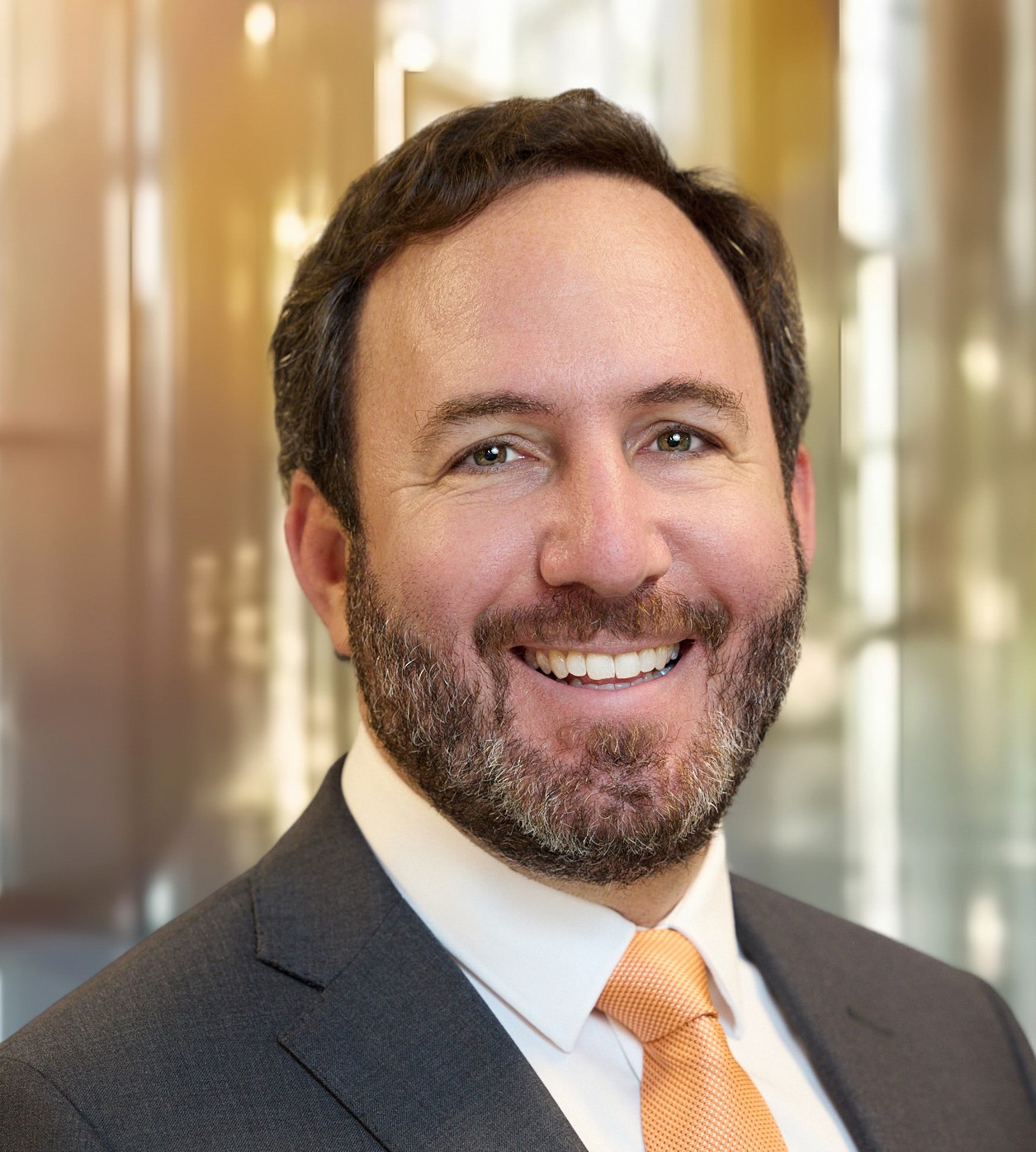
Today is day one of National Public Health Week, and we'll be discussing government partners. Our guest, Carolyn Mullen, is ASTHO's senior vice president for government affairs and public relations. She'll tell us how state and federal agencies collaborate in a complex and often polarized environment and share how public health leaders find common ground across political divides, build trust with policymakers, and tailor their messaging to drive real impact. First, though, let's give our opening word to ASTHO's CEO, Dr. Joseph Kanter, who we ask to reflect on the invisible winds of public health, like planning for massive events such as Mardi Gras or the World Cup, work that quietly prevents crises before they start.
JOSEPH KANTER:
National Public Health Week is one of my favorite weeks of the year, particularly because it's an opportunity to take a step back and recognize the value of public health in itself and the importance and worth of individuals who spend their careers working in public health. And as we talk a lot about in this sector, we are victim often to the fact that in public health, our successes are often invisible, and our failures are quite public. But when your successes are invisible or confidential sometimes, it may be hard to express to the public what you're doing. You know, it's hard for the public to understand what public health is, why it's important, and that's not a particularly motivating factor for folks within public health. It can be disheartening. It can lead to burnout. So, it's important to me to make sure that we take a step back every now and then and reflect on why public health is important and particularly how the work of public health practitioners, whether you're in a governmental agency or not, are important and that work is leading to improving people's lives, in many cases, saving lives. To do that, we've got to continue to tell stories about how public health improves people's everyday lives, whether they know it or not. I'll tell you what's on my mind right now is as many cities are doing work, organizing and helping prepare for the World Cup and various World Cup events and games, and, you know, the average person in the public doesn't realize how much work goes in on the back end to assure that a city or a state is prepared from a health and safety standpoint to take in that many people to do a large event. Are your hospitals prepared? Do you have surge capacity or EMS prepared? Do you have a robust system in place to respond to any threats that emerge during that time? Do you have a surge in your staff and deal epidemiologically with any threats? This is bread and butter work for public health agencies and it makes the public safer, particularly at a time of increased risk and usually if everything goes well, nobody ever knows about that. In my home city of New Orleans, we just got finished with Mardi Gras and, you know, similar story. Weeks and weeks and weeks of planning typically go in to an event like that to make sure that folks are ready and prepared and when that goes well, you have the event, families have a great time and no one knows about it. It's only when it doesn't go well that sometimes it makes the news. But a lot of people worked very hard to make that event in New Orleans safe to assure that it went off and people continued to have good access to acute care when they needed to, to safe food chains and on down the line. And I know cities or states are having a similar conversation around these World Cup events right now. So, that's one example of behind-the-scenes work that's incredibly important that probably saves lives and normally no one knows about that. So, to me, Public Health Week is an opportunity to say thank you. That work is important, even if it doesn't make the headlines, even if it's not terribly sexy, even if the average person on the street doesn't know it's happening. It helps people live happy, full, fulfilling lives. In many cases, it saves lives. That's the work we do day in and day out in public health. And for me, and on behalf of ASTHO, I really thank public health practitioners for doing that important work.
SHEEHAN:
Dr. Joseph Kanter is CEO of ASTHO. Now, let's hear from Carolyn Mullen, ASTHO senior vice president for government affairs and public relations. With today's National Public Health Week theme of government partners in mind, we wanted to know more about the challenges of getting state and federal agencies coordinated and on the same page.
CAROLYN MULLEN:
One of the hurdles that exists for getting state and federal agencies on the same page can just be the political environment that we're currently in right now. However, I really want to frame this as a positive in terms of the role of state health departments, the role of our members, and the role of ASTHO is to really implement and find that movable middle. I mean, every community in the country is red and blue, right? And we aren't just one blue state and one red state. There are pockets of individuals who think differently in these communities. And so, our members really try to stitch that together and find programs that work and they to bring about positive improvements to people's lives. So, yeah, the political environment right now can be a hurdle, but I've been so proud to witness how our members work collaboratively with the federal government. They try to find areas of commonality, such as nutrition, for example, is one area where we believe that there is broad, widespread, bipartisan support to begin working on that. And when there is a difference in approaches, you know, the authority really rests with the state health department for a lot of initiatives and activities. And so, you're seeing some other state health departments stand up differently to protect the health of their population. So, sometimes politics can be a barrier, but our members are used to navigating that in their jurisdictions every day. And so, I've been really pleased with how they've been able to navigate this current time.
SHEEHAN:
And can you talk about the impact of budget cuts on some of the more invisible work of public health, such as health inspections?
MULLEN:
When your community is healthy, they are going to work every day. So, healthy people, healthy communities, healthy economy. And so, when the system of public health breaks down, it means people are going to get sick. For example, I know many years ago when there were budget cuts, particularly rural state had to cut back on their number of food inspections to restaurants. And I would say to staff, would you want to eat an oyster in this state? Because you don't want to get that stomach illness and food poisoning. And so, when public health works really well, it's invisible. And it's really critical that we have healthy people that can contribute to society in a meaningful way. And when that breaks down, it can have a really devastating impact on the economy, on kids going to school and not getting educated, and on just the well-being of Americans overall.
SHEEHAN:
Are there specific legislative actions that are critical right now to protecting public health funding?
MULLEN:
It's critical that public health is at the table to tell the story about what the impact of these grant cancellations and clauses are having on the community. They have to educate Congress about this. Early on last year, I was hearing from members of Congress. They weren't hearing enough from us. They said, we really need to understand what is happening in the community. So, the action that people need to take is to, one, make sure you are building that relationship of trust with your members of Congress so you can tell the story about some of these actions that have happened in the last year. Number two is really working hard to find commonality. We find when we go to the Hill and research a member of Congress and understand that they really care about maternal morbidity and mortality, for example, we'll go into the office and say, hey, we want to talk to your boss about maternal morbidity and mortality. Tell us how we can partner with you. Here are the resources and the work that our members are doing in this area. Public health impacts everybody every day. And you just need to figure out what is that common thread, so you can build that relationship with a member of Congress. You certainly don't want to go in and talk to them about something they may not care about. So, some members of Congress may not care about food safety, for example. So, you don't want to lead with that. You want to lead with something that makes their hearts sing and that they really want to improve for their communities. So, there is a lot of front-end research that needs to be done before you go in and have a conversation with Congress. And then the final thing is making sure you're following up. So, if you see a member of Congress in a hearing talking about vaping, for example, you can send them resources from your jurisdiction and say, hey, here's how we're addressing teen vaping in our state. And then they will really appreciate that. But it's not bombarding them and overwhelming them. It's just, again, meeting people where they are so you can be that trusted resource moving forward.
SHEEHAN:
Often, the public health workforce is taken for granted until crisis hits. How can government partners better support public health workers before the next emergency?
MULLEN:
Government partners can support the health and physical well-being of the public health workforce by understanding that they have a really challenging job before them and that these are tireless public health servants who work day in and day out with their core mission in mind, which is to protect and promote the health of all Americans. And so, when emergency strikes, sometimes there's a lot of finger pointing and blaming that happens. Why aren't they working harder? Why didn't they predict this? And to have a little bit of compassion and empathy when that does happen is number one. Number two is to provide flexible sources of funding. What we've learned time and time again is because of the rigidity of some of the federal funds that come out, it makes it really hard to move people around when emergency strikes. And so, you're overwhelming some facets of the workforce and not able to move other people in the workforce over to deal with this crisis. So those would be the two top things. You hear our members talk a lot about how they really care about the people that work for them and with them every day, and their mental well-being is top of mind for them. So, our members care very much about their workforce and work very hard to provide safe environments for them, to provide environments where they're creating boundaries so people aren't working 24 hours or 12-hour shifts, whatever it may be, so that they can focus on that balance of work and life as well. So they can bring their whole selves to their job every day without burning out. So, those are just a couple of examples of what I think our government partners can think about moving forward.
SHEEHAN:
Carolyn Mullen is ASTHO senior vice president for government affairs and public relations.
Effective public health communication depends not only on what we say, but how we share our message. In an upcoming webinar, join ASTHO as we explore how strong storytelling can transform complex or sensitive health topics into stories that engage diverse audiences, inspire action, and drive change. This webinar will equip participants with concrete storytelling strategies to create impactful messages that resonate. Learn how to identify the core narrative in your work, choose the right format for your story, and connect with audiences on topics that are often technical or stigmatized. You can find the link in the show notes.
The Public Health-Hope Equity Resilience and Opportunity, or PH-HERO, initiative supports state and territorial health agencies in addressing workforce burnout, moral injury, and retention challenges. Grounded in trauma-informed and equity-focused approaches, PH-HERO offers curated resources to protect, support, and strengthen the public health workforce. Discover evidence-based tools, expert guidance, and research to help build resilient, thriving teams. Learn more through the link in the show notes.
This has been Public Health Review Morning Edition. I'm John Sheehan for the Association of State and Territorial Health Officials.