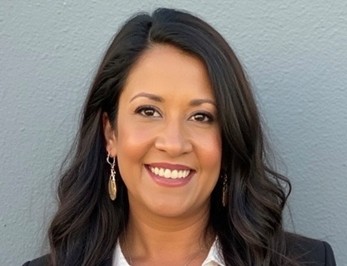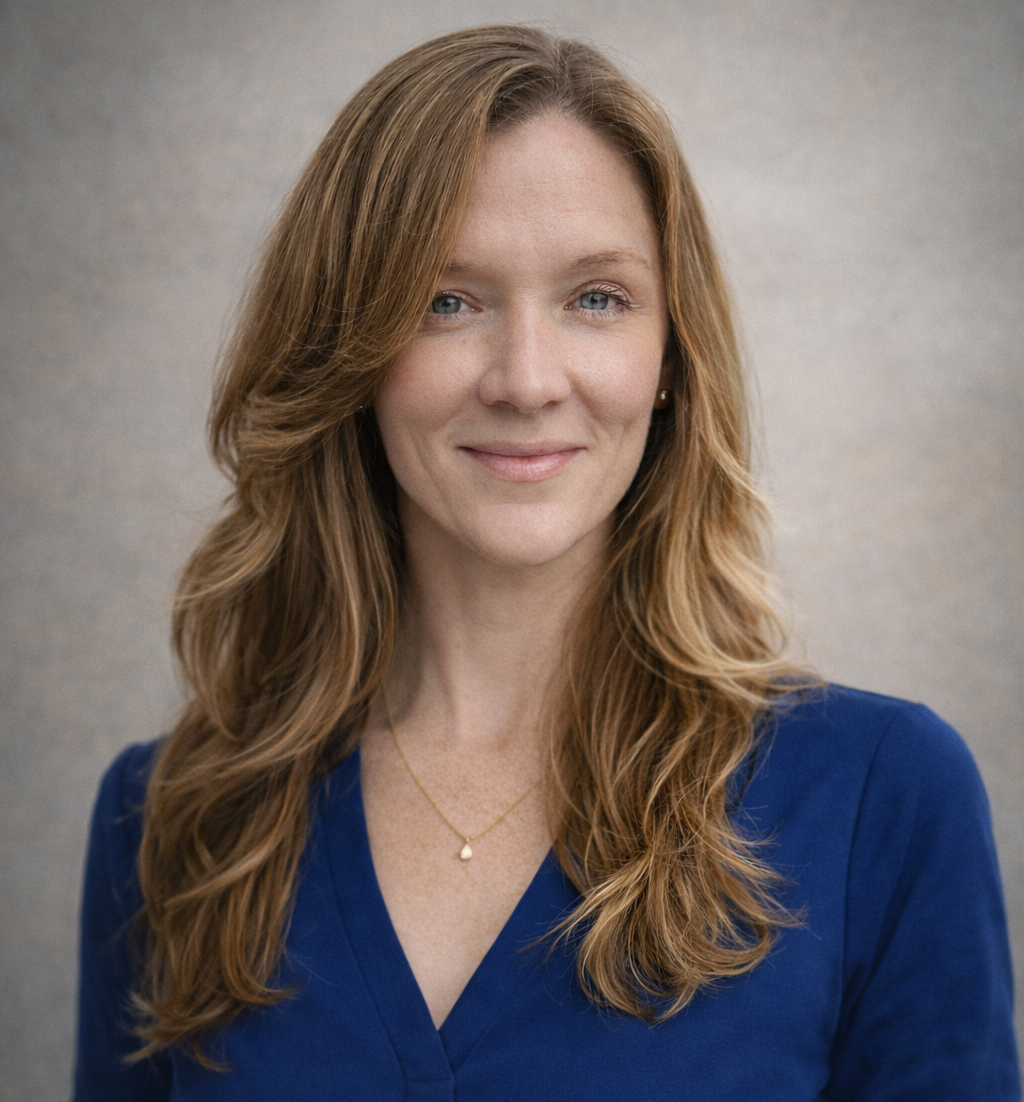
On today's PHIG Impact Report, leaders from the Tennessee Department of Health (Sanjana Stamm and Jen Trail) share how they’re using PHIG funding to transform care at both the clinical and community levels, including the use of care coordinators across rural areas, and targeted grant management.

 Spotify
 Apple Podcasts
 Amazon Music
 What happens when public health stops treating patients in isolation and starts addressing the realities of their daily lives? In this episode, leaders from the Tennessee Department of Health share how they’re using PHIG funding to transform care at both the clinical and community levels. Sanjana Stamm, director of regional and local health at the Tennessee Department of Health, explains how the state is embedding social workers and care coordinators into primary care clinics across rural regions, helping patients navigate everything from medication access to food insecurity and employment. Then, Jen Trail, director of the Tennessee Department of Health’s Division of Strategic Initiatives, explains how Tennessee is empowering its counties to lead their own health improvement efforts through local health councils, data-driven planning, and targeted grants.
This work is supported by funds made available from the Centers for Disease Control and Prevention (CDC) of the U.S. Department of Health and Human Services (HHS), National Center for STLT Public Health Infrastructure and Workforce, through OE22-2203: Strengthening U.S. Public Health Infrastructure, Workforce, and Data Systems grant. The contents are those of the author(s) and do not necessarily represent the official views of, nor an endorsement, by CDC/HHS, or the U.S. Government.
Public Health Infrastructure Grant: Resources & Impact - PHIG
Tennessee Department of Health Division of Strategic Initiatives

JOHN SHEEHAN:
This is Public Health Review Morning Edition for Tuesday, May 12, 2026. I'm John Sheehan with news from the Association of State and Territorial Health Officials.
On today's PHIG Impact Report, how Tennessee is rewiring public health from the ground up. Leaders from the Tennessee Department of Health share how they're using PHIG funding to transform care at both the clinical and community level. First, Sanjana Stamm, director of regional and local health at the Tennessee Department of Health, will explain how the state is embedding social workers and care coordinators into primary care clinics across rural regions, helping patients navigate everything from medication access to food insecurity and employment. Later on, Jen Trail, director of the Tennessee Department of Health's Division of Strategic Initiatives, will tell us how Tennessee is empowering its counties to lead their own health improvement efforts through local health councils, data-driven planning, and targeted grants. First, here's Sanjana Stamm.
Sanjana Stamm, welcome to the show.
SANJANA STAMM:
Thank you for having me.
SHEEHAN:
Why is PHIG helpful in improving your clinical resources?
STAMM:
Really, it's about adding capacity where the clinics feel it the most. So it's given them resources to build staffing models that match their patient needs and the community needs. And then it's also about building the team around the provider. So that's improving patient flow and efficiency, reducing burnout, but also assisting with our patients' social health needs in order to improve quality outcomes for the patient.
SHEEHAN:
And in Tennessee, you've expanded your clinical care team model involving social work and care coordination into seeing patients. Can you describe the model some more and tell us how it's working?
STAMM:
Sure. So, we have seven rural regions and 57 primary care sites. So all of our primary care sites have access to our social workers. And how this works is some of them are embedded into the clinic, and some are a little bit remote because they cover multiple counties and sites, but we do a social determinants of health screening for each patient. And then if the needs are identified, then a referral or a warm hand-off if a social worker is in the clinic, they will work with the patient to resolve any needs that are identified in that social screening. So, that's really helped and a lot of times they'll help with patient assistance for medications, referrals, and then any social needs that are identified.
SHEEHAN:
And can you think of any examples that come to mind of how this has really benefited patients?
STAMM:
Yeah, so I do have a couple. You know, there's been an instance where we've had an untreated colostomy bag patient for years, and they just didn't have the supplies that they needed to treat themselves. And so this social worker was able to get them supplies and the help that they needed so that they could take care of their needs. So, that's really helped. System level, you know, we have started this program for the past year, and so we don't have a lot of evaluation metrics just yet. You know, we've hired an intern to kind of develop a return on investment and then also do some studies about how it has improved some health outcomes. But it has given us more reliable care. So, there's been fewer missed referrals and better follow-through. It has really helped with clinic efficiency. So, our clinicians are spending less time on solving some non-clinical barriers and allowing them to practice at the top of their license. So, it's really freed up some provider and nursing staff that these social workers have been able to help with, and really improved staff experience and retention so they can actually help solve patient barriers and reduces some distress and burnout, especially in some of our high-need settings.
SHEEHAN:
It sounds like there have been sort of a number of benefits as a result of the new system. Can you think of any takeaways that apply to the sort of like this bigger lesson of patient-centered care?
STAMM:
So, probably the bigger takeaways is really just being able to assist our patients on the social needs. Since November, we started kind of a formal screening process, and we have screened over 7,000 patients, and about three thousand four hundred of those patients had at least one need that was identified. So, that's almost half of our patients. And then of those, we had two thousand three hundred that had multiple needs, and our top needs were basically paying for medications. They needed assistance in helping pay for these medications for their chronic conditions. So, of course, you know, if they're able to get their medications, then that will help with their health. The second need we had identified was employment needs, and so we've been able to help a number of those find employment. And the third is food insecurity. So, a lot of our clients had difficulties obtaining nutritious food, so we've been able to assist with that, and some of our own counties have even started collections for food so that they were able to give them some nutritious food, which obviously does help with their health, and particularly diabetes.
SHEEHAN:
And lastly, Sanjana, do you have any plans to either expand the model, expand your system, or think of ways to help sustain it?
STAMM:
Yes, so we're trying to evaluate our program, so that way we can provide some tangible quantitative metrics on how this has improved our patients' health. And then also, we're funding this through PHIG, and then with the Rural Health Transformation Act, we're able to secure beyond the PHIG grant. So that's gonna be wonderful. So hopefully we can sustain that model if we show that this really does help our patients.
SHEEHAN:
Sanjana Stamm, thanks so much.
STAMM:
Alright, thank you.
SHEEHAN:
Sanjana Stamm is director of regional and local health for the Tennessee Department of Health.
Now, here's Jen Trail, director of the Tennessee Department of Health's Division of Strategic Initiatives. So, Jen, Tennessee has used PHIG to set up a dedicated technical assistance and community impact team for local health councils. What does that mean? What does that look like?
JEN TRAIL:
Health councils in Tennessee are volunteer-based groups that have been convening with the help of their local health department since the nineteen nineties in Tennessee and every single county, all 95 counties. And they typically, you know, have come around the table around some shared health goals. Every health council is a little bit different. Typical partners at the table would be probably represented by, like, the local county government, maybe the county mayor is there, school health, nonprofit hospitals, mental health providers, social service organizations, and so on. Because of their makeup of those community members and community leaders, health councils are in this, like, really great, unique position to really understand and talk about the needs and the strengths of their communities. So, the Tennessee Department of Health has been working since, like, 2018 to support health councils to implement community health assessments and community health improvement planning. The acronyms often used are the CHA and the CHIP. So with public health infrastructure funding, we've been able to build a ton of momentum in that space. So with PHIG, we've hired a technical assistance team. We've got four staff members in the central office and eight regionally based positions. We have built resources to support that CHA CHIP process, the assessment, and the planning process. So, we've built standardized planning tools for them, worksheets, facilitation guides, as well as hosting regional trainings for them. We've also developed these county-level data packages to support their assessment process. We publish those annually. When I first started, we were handing them a spreadsheet of data, but then recognizing that they are not expert epidemiologists. They're community volunteers. Right? So, we've been able to, with PHIG funds, transition those spreadsheets into these, like, beautiful data packages with visual data charts and graphs to help health councils really know and understand and talk about their community data story. So, we built resources in that space, but we've also built resources using PHIG to move them from assessment and planning to collective action together. So, with PHIG funds, we've built a resource called the Tennessee Vitality Toolkit. That's an online guide that helps councils move from the assessment planning process to implementing activities and programs. This resource was developed with that lens of supporting the specific needs of coalition or collective impact work. You know, how can many organizations come together to under one mission, under one common agenda to address things like the social drivers of health. We've also developed a community of practice. We have in-person and virtual gatherings to promote shared learning, in the exchange of best practices across the counties. Also, really importantly, we've provided them with grant readiness support. So, we provide trainings and one-on-one consultations to equip communities to be able to lead and sustain their own health initiatives. Not with PHIG, but with other federal funding, we've been able to supplement that with some competitive grant program programming, specifically dedicated for health councils to implement CHIP priorities. And so those things have kind of gone together really well.
SHEEHAN:
That's incredible. What kinds of wins or impacts have you seen at those local levels?
TRAIL:
Yeah. We've been able to move when I started this work in 2019, we were just getting organized around a systematic CHA and CHIP process in every county. I think when I started, we had 16 counties of the 95 that had gone through a community health assessment process. We've been able to get that up to 89 of the 95 counties, with more of them currently in process. So, that's a huge win. It's just the volume of counties seeing them get organized around those shared goals. But I think one of the biggest wins for us is to see increased investment and monetary resources being directed towards those community-led goals that are identified through the CHA CHIP process. I'll talk a little bit about the grant program that we built, called the CARE grants. CARE is an acronym for Community Action for Rural Engagement. A couple of years ago, we awarded $1,800,000 in grants for local efforts to address community health priorities, particularly engaging and serving low-income, rural, minority, and other underserved populations, across Tennessee. So, we were able to fund projects, like school-based community gardens and greenways, to big projects like building the structure to house a farmer's market, in a rural town square that acts as a center point for community gathering and health promotion now. We also funded the renovation of an old government building in a distressed county, Perry County. It's a very rural county in Tennessee. It now houses multiple partner agencies that have gathered specifically to provide services to teens in that community. They didn't really have an existing community space for the teen population in Perry County. And now they have one space they can go to to get childcare, job training, after-school support, mental health support, you name it. So that's the type of thing that, like, a health council can do when you get all these partners together in a room working and collaborating together under the same goal.
SHEEHAN:
And could you talk a little bit more about the importance of that? And some of the examples you cited from community gardens to farmers market structures, those aren't necessarily what you would think of as under a Department of Health purview, but again, it's the way that you're sort of directing these grant funding programs to what you're hearing from the community level, and that is creating that, that's solving the need.
TRAIL:
Yeah. I think the importance is like, again, that because you have all these partners coming together, they are in this unique position to really dig into the root causes of tertiary or secondary public health issues and really get into the prevention space. So, a lot of our health councils want to; they've chosen mental health as a priority to focus on for their community. So, while a farmer's market might not directly, you know, it's not mental health treatment, it's creating that community gathering space to reduce, like, feelings of isolation, to create more relationship building and connection with others in the community. And at the same time, they're hitting folks with public health programming. They, the farmer's markets, this fits is a great example because they got that gathering space, and they also use it for nutrition classes, for exercise, and active living education, and so on. So, they hit them in multiple ways, too, and actually address multiple public health issues by just having that one space for folks to gather.
SHEEHAN:
Yeah. 100%. Even one is enough. Civic pride would be enough of a good reason to have that existing, but you're able to get more programs in under that umbrella. That's great.
TRAIL:
That's right. It's really cool to see.
SHEEHAN:
As you continue this work and, you know, in the next phases of PHIG funding, what most excites you to come next?
TRAIL:
Yeah. Well, I'm excited to continue building capacity and confidence at the local level, to see health councils continue to build that influence, but to bridge it also with state and local policymakers, and to start seeing them have a voice in state policy. And so I'm hoping we can help be part of the mechanism or pass through to lift up those voices, at the local level to the state policy space. I'm also really proud that we get to continue to build on this work through rural health transformation funding. PHIG funding is partly to credit for why we didn't have to start from scratch with our plan to spend that unprecedented amount of funding for rural health. We've already laid a lot of that groundwork, thanks to PHIG. I'm really proud, but I'm also really grateful for the opportunity and the flexibility to make PHIG work according to the needs and the strengths of Tennessee. Finally, I think I'm gonna say that I truly believe we've been successful in building public health infrastructure with the Public Health Infrastructure Grant in Tennessee. For example, we've strengthened the functionality and the value of our department-wide strategic plan by aligning PHIG investments with our stated priorities as a department. So, I think that those systems, the partnerships, the capacity that we've built over the past few years, it's gonna outlast any funding. Funding is always nice. Don't get me wrong. But I think that we've done right by PHIG, by the intent, by really building the infrastructure back up in a way that's even better and more efficient than it was several years ago. And I think that's gonna continue going on no matter what.
SHEEHAN:
Jen Trail is the director of the Tennessee Department of Health's Division of Strategic Initiatives. Earlier, we heard from Sanjana Stam, director of regional and local health for the Tennessee Department of Health.
This has been another PHIG Impact Report, part of Public Health Review Morning Edition. I'm John Sheehan for the Association of State and Territorial Health Officials.