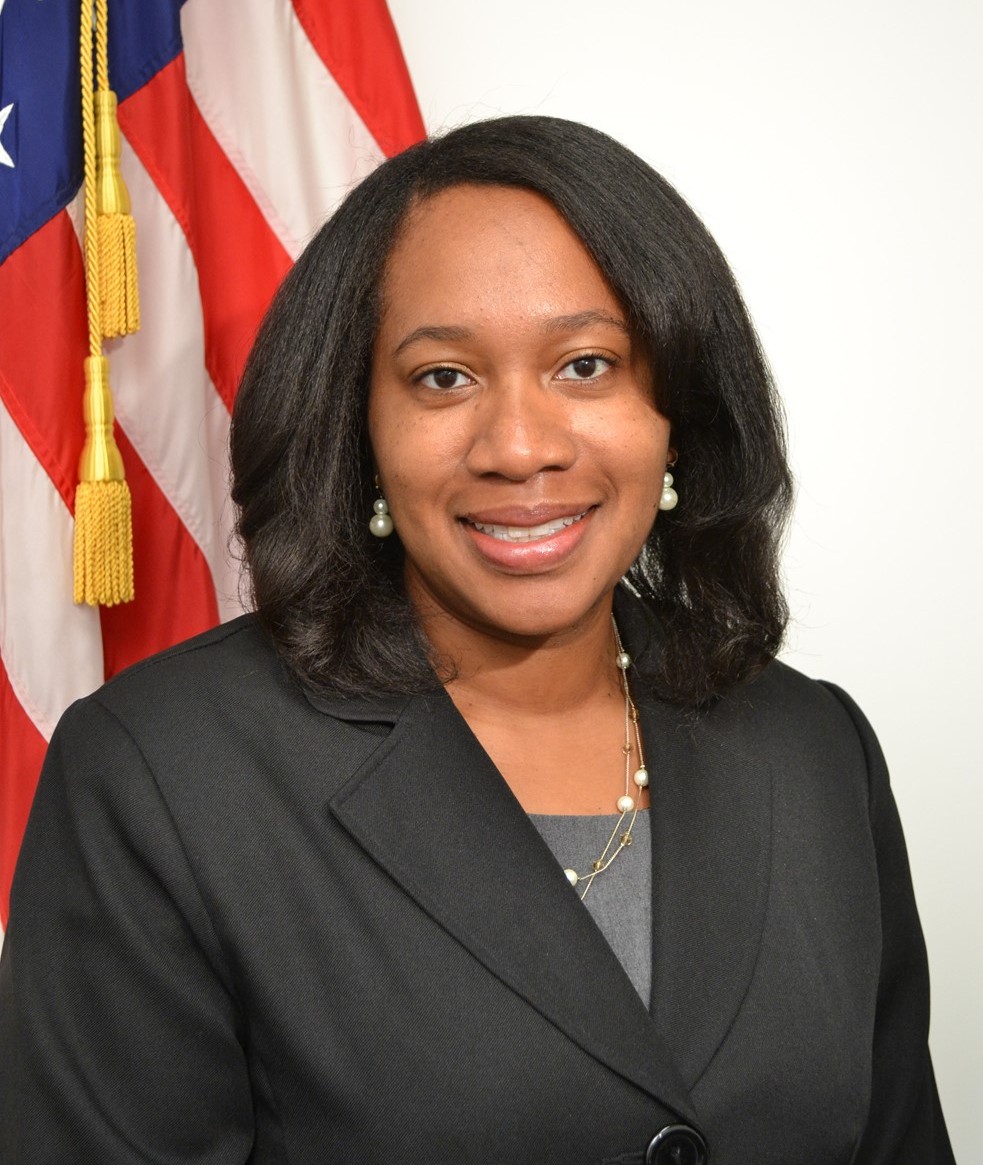
On today's episode, Melanie Ramsey from CDC’s Office of Rural Health addresses rural public health challenges. She shares how the Rural Health Academy offers state and local health leaders the opportunity to strengthen capacity and meet jurisdictional needs.

 Spotify
 Apple Podcasts
 Amazon Music
 Rural communities face some of the most complex and often overlooked public health challenges. Today, Melanie Ramsey, deputy director of CDC’s Office of Rural Health, discusses how a new national effort is working to close those gaps. The Rural Health Academy is a growing initiative designed to strengthen the capacity of state and local health leaders. Ramsey will share how the Academy is fostering peer-to-peer learning, connecting federal and state partners, and equipping leaders with practical tools to better serve rural populations. Some states are exploring creative solutions like housing incentives for health workers, while new federal coordination efforts aim to align strategy and funding across agencies. Ramsey also highlights CDC’s Rural Public Health Training Plan, a free, self-paced program built to deliver real-world, scenario-based training to anyone working in rural health.
National Environmental Public Health Tracking Network | Home
About the Atlas of Heart Disease and Stroke | Atlas of Heart Disease and Stroke | CDC
Project Firstline | Project Firstline | CDC
Rural Health Mapping ToolRural Health Science Tips | Rural Health | CDC
Rural Public Health | Rural Health | CDC
ASTHO Policy Institute Lunch & Learn Series: Modernizing and Strengthening Data For STI Prevention
Funding & Collaboration Opportunities | ASTHO

JOHN SHEEHAN:
This is Public Health Review Morning Edition for Monday, May 4, 2026. I'm John Sheehan with news from the Association of State and Territorial Health Officials.
Today: bridging the rural health gap. Rural communities face some of the most complex and often overlooked public health challenges, and Melanie Ramsey, deputy director of CDC's Office of Rural Health, will tell us about a new national effort to close those gaps. The Rural Health Academy is a growing initiative designed to strengthen the capacity of state and local health leaders. The Academy is fostering peer-to-peer learning, connecting federal and state partners, and equipping leaders with practical tools to better serve rural populations.
Melanie Ramsey, welcome to the show.
MELANIE RAMSEY:
Thank you.
SHEEHAN:
So, Melanie, we're talking today about the Rural Health Academy, and you just recently met with health officials as part of that effort. What was the goal of the gathering, and what were some key takeaways?
RAMSEY:
The Rural Health Academy was created to help build capacity among state health officials so they can better understand the complexities facing rural communities and strengthen their ability to respond. So, over the last two years, the Academy has evolved into a valuable space for bringing state leaders together with federal partners to align on rural public health priorities and to share resources. At this year's meeting, CDC's Office of Rural Health participated in a federal panel to share information about our agencies and highlight resources and some available tools. Just as importantly, it created a space for peer-to-peer learning where leaders could share best practices and learn from each other. So, one example that really stood out was the ongoing challenge of workforce shortages in rural areas. Some states are getting creative, like investing in housing solutions so health professionals don't have to travel long distances for work. A major takeaway from the Academy was the importance of building strong communication networks among state leaders focused on rural health. Participants also emphasized the need for better access to resources and tools, more insight into funding opportunities, and stronger coordination across all levels of government. Overall, it really enforced how critical knowledge sharing and collaboration is to advancing rural public health.
SHEEHAN:
So, the Office of Rural Health is relatively new and only in the last couple years, although CDC has been working with rural communities for a long time. What's the idea behind the office and what's the vision behind the new training?
RAMSEY:
So, as you mentioned, CDC has actually been working in the rural public health space for many years now. What's new is CDC's Office of Rural Health, which was established in 2023, to bring more focus and coordination to these efforts. Our mission is to lead CDC's rural public health strategy and work across the agency and with partners to improve the health and well-being of rural communities across the country. And relationships are really at the center of how we do our work. For example, within the Department of Health and Human Services, there are now three offices focused on rural health. CDC's Office of Rural Health, the Health Resources and Services Administration's Federal Office of Rural Health Policy, and the Center for Medicare and Medicaid Services Rural Health Transformation Office. We work closely with these partners to maximize impact. One of our key priorities at CDC's Office of Rural Health is strengthening the rural public health workforce and infrastructure. Through that work, we identify gaps, especially around training and accessible resources, which led to the development of the Rural Public Health Training Plan. The Training Plan itself offers free self-paced online courses with continuing education credits. These courses cover foundational topics like understanding rural public health, engaging effectively with rural communities, clear communication, and preparing for public emergencies. What I really appreciate about the training is that it includes the real-world rural scenarios that reflect both the challenges and strengths of rural communities. Our goal is to really make high quality, relevant training accessible to anyone working in or with rural communities, and we're continuing to build on it. We plan to add more courses later this year.
SHEEHAN:
And how can states or local agencies learn more about the resources that are available?
RAMSEY:
So, for those interested in learning more, a great place of course is to start at our website, www.cdc.gov/rural health, where we highlight resources like the Rural Public Health Training Plan. The Training Plan itself is available on the CDC Training Plan form, where users can also earn free continuing education credits. We've also released science tip sheets to support researchers in data analysis, and using rural-urban variables, breaking down data by factors like age and geography, helping ensure findings are accurate, relevant, and actionable for rural communities. Also, we're supporting updates to the Rural Health Mapping Tool, which provides easy-to-use, counting-level data to help inform local decision-making. All of these resources are available on our website. And ASTHO plays an important role in expanding their reach, sharing them through their national peer networks, webinars, and other communication channels. They are planning to send out a bundle of resources at the beginning of May. And if you'd like to stay up to date on new resources that we have, you can always reach us directly at ruralhealth@cdc.gov.
SHEEHAN:
And speaking directly about the Rural Health Academy, what are some of your goals for it looking forward?
RAMSEY:
At a high level, we want to strengthen collaboration, bringing together federal partners, national organizations like ASTHO, and state leaders to address rural public health challenges in a more coordinated way. We're also focused on helping others better understand how rural health systems actually work, both public health and health care, and how those systems work together. Another goal is to build awareness of what really drives health in rural areas, the challenges, barriers, and the assets that already exist in these communities. We want to make sure leaders have better access to data, tools, and resources so they can make informed decisions for rural public health programs. It's important that this work is expanding a national network of leaders who can share solutions and accelerate innovation across states, while also prioritizing rural health in public health strategy and decision-making.
SHEEHAN:
And talking more broadly about rural communities, how are you hoping that the Academy can impact them?
RAMSEY:
When we invest in stronger rural public health workforce and infrastructure, we're not just improving services, we're improving quality of life. Communities are better prepared to respond to public health threats and emergencies, and better able to recover. Partnerships like the work we've done with ASTHO enhance coordination and resource sharing. That's why building strong relationships and networks is so important to the success of programs like the Rural Health Academy. It's also about making sure there is access to tools and resources. The Rural Public Health Training Plan is one way we're doing that, helping ensure rural communities and those who support them can strengthen rural public health systems no matter where they are.
SHEEHAN:
Melanie Ramsey, thanks so much.
RAMSEY:
Thank you so much.
SHEEHAN:
Melanie Ramsey is deputy director of CDC's Office of Rural Health.
Join ASTHO on May 5 for part two of the ASTHO Policy Institute Lunch and Learn webinar series focused on strengthening public health surveillance and reporting systems through policy work and the implications for STIs and infectious diseases. As part of ASTHO's Policy Institute, the webinar will explore key challenges within current reporting systems, including duplication, interoperability gaps, administrative burden, and how these barriers impact STI data quality, timeliness, and action. Find the link to register in the show notes.
ASTHO is accepting applications for the Implementing Pharmacist-Prescribed Contraception Learning Community. This opportunity will support state and territorial health agencies with technical assistance to develop sustainable pharmacist-prescribed contraception programs, including workforce capacity, reimbursement pathways, and patient awareness efforts to improve access to contraception. The deadline to apply is May 31, 2026, by 5 p.m. Eastern. Find more information at the link in the
show notes.
This has been Public Health Review Morning Edition. I'm John Sheehan for the Association of State and Territorial Health Officials.