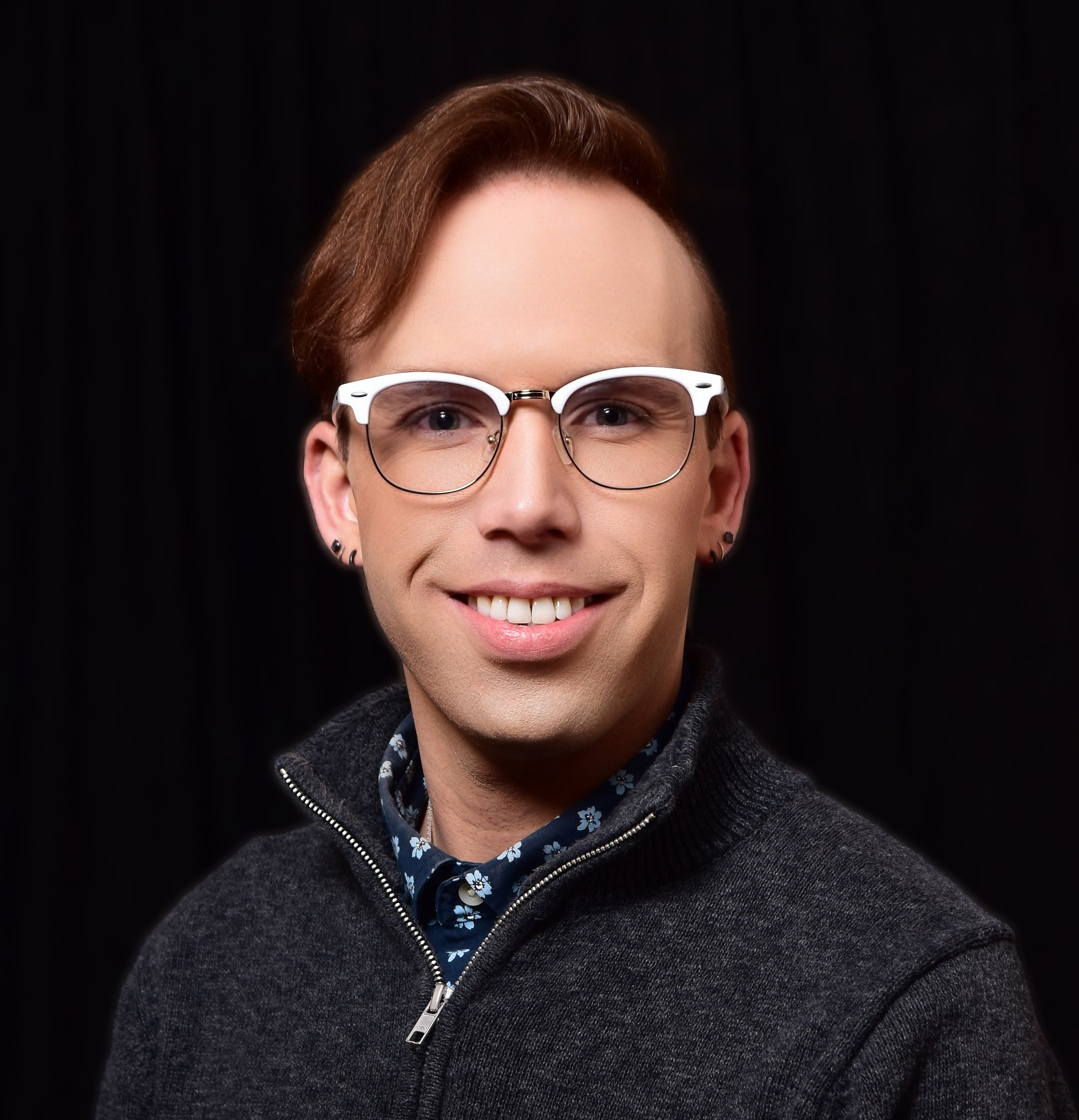
In this episode, Joshua Allen from the South Carolina Department of Public Health’s Bureau of Organizational Development discusses how targeted supervisor training and mentorship programs are reshaping workforce culture in public health.

 Spotify
 Apple Podcasts
 Amazon Music
 Strong leaders don’t just appear, they’re developed. In this episode, Joshua Allen, leadership training director for the South Carolina Department of Public Health’s Bureau of Organizational Development, talks about how targeted supervisor training and mentorship programs are reshaping workforce culture in public health. Born out of a clear need to better prepare new supervisors, Allen’s team built a hands-on training program focused on real-world skills, like communication and conflict resolution, strategic planning, and burnout prevention. Paired with a structured mentorship initiative for new hires, the approach is already delivering results.
Home | Public Health Careers.org
Public Health Leadership Starts in the Classroom | ASTHO
Demonstrating the Impact of School-Based Health Centers | Key Measures That Highlight ROI | ASTHO

JOHN SHEEHAN:
This is Public Health Review Morning Edition for Wednesday, April 29, 2026. I'm John Sheehan with news from the Association of State and Territorial Health Officials.
Today: how one agency made developing strong leaders a priority. Joshua Allen, leadership training director for the Bureau of Organizational Development for the South Carolina Department of Public Health, talks about how targeted supervisor training and mentorship programs are reshaping their workforce culture. Allen's team built a hands-on training program focused on real-world skills like communication and conflict resolution, and strategic planning, and burnout prevention. And, paired with a structured mentorship initiative for new hires, the approach is already delivering results.
JOSHUA ALLEN:
Starting with the supervisor training, we, as an agency back in 2022, had looked at it as a great need within our organization. As most organizations look at that supervisor training as perhaps a gap there where people don't feel fully prepared when they go into that role, or they're hired into the role. And, I know my agency at the time, which we were DHEC at that time, Department of Health and Environmental Control, we had really been discussing a supervisor onboarding or training for several years. Something that would really help prepare them, build their confidence, but also provide them with skills that they could truly apply on the job. Something that would really, they could start using and adapting immediately within the course.
SHEEHAN:
And, I imagine that goes hand-in-hand with the mentoring program, which, you know, a good supervisor is usually the product of a good mentor.
ALLEN:
Yeah, you've got it. So, the mentorship program, our focus was specifically on new staff, as I think most people in public health coming out of COVID realized and struggled with was retention, as well as trying to recruit new individuals to public health. And the mentorship component was focused solely on new hires for their first six months. They were paired with a seasoned staff member within the organization and really helped them navigate this new environment, working with terminology, learning about the strategic plan, as well as additional resources within the agency to really focus on protecting their mental health and their physical health.
SHEEHAN:
Yeah, that sounds like a really nice process to onboard new folks.
ALLEN:
Yeah, it really showed great performance. Once again, that was before we restructured, and the data that we were able to collect over about three years, we went from about a 51% retention rate to a 92%. And then, since restructuring, what we've done is really looked at those two programs, the supervisor program and mentorship program, and tried to look to see how can we replicate that and adapt it to the entire state, because at the time, we really were just focusing on a portion of our state.
SHEEHAN:
And getting back to the supervisor training program, how is that structured?
ALLEN:
So, in the beginning, it was a two-month program spread over about four to five weeks. What we tried to do is build in topics, but have them have a break inbetween classes. So, they would come every two to three weeks, roughly. And that would allow them to take what they've learned from that previous class and place it in action when they went back to their day-to-day roles. We were covering topics such as systems that we use internally: Office 365 applications, as that's what we are, who we're contracted with. We looked at time management skills, a lot of that, some of those soft skills through leadership, conflict resolution, communication. At the time, it was Public Health 3.0, which we've kind of expanded on. Since then, in 2025, because that was showing such great success, we went ahead and began working solely on that by replicating and expanding it across our agency in the state. And we added to it because we knew that burnout was a huge concern and issue that supervisors were struggling with, but also their staff were struggling with. And we wanted to be able to provide them some resources and strategies to really help to identify that compassion fatigue before it develops into chronic burnout. And then we also added strategic planning to that because we felt that was a great need for a lot of our teams, really kind of identifying and letting them know that they have the capabilities to really utilize a lot of the strategic planning concepts. That strategic planning really isn't this tool that you use on more of a larger scoped project, that it can be scalable, and it can really be focused on those small adaptations that you're trying to work amongst your team. Since then, we've kind of just built upon that, so it's more of a tier structure. We have a program where we have it focused solely on new staff and aspiring supervisors, and then we have another program that is focused on more of those seasoned supervisors, so that they can kind of progress throughout the professional development.
SHEEHAN:
Mm-hmm. And have you noticed a change in the workplace culture, or is there greater retention? Are people more confident?
ALLEN:
So, because we're still pretty early after the restructure, we haven't really been able to look at the numbers as of yet, but what we are noticing is that our agency's culture is really shifting in the sense of looking at that learning culture. People are re-engaged, and they're really investing more into these trainings, and I feel like that has a lot to do with our approach as instructors, because we really focus on psychological safety and really opening a space so we can truly just be authentic and honest, and really look at the areas of improvement with an organization, and try to zone in and focus on how can we, in our executive leadership team, how can we focus on improving those areas.
SHEEHAN:
And even just having employees that are engaging with the program and who are taking it seriously, that alone is kind of a big boost to morale, I've found.
ALLEN:
It is. That's been a huge game changer because we even saw it early on where individuals either were hesitant to come to training because they had so much work to complete back at their headquarters, or they would come and they weren't fully present because there were so many obligations. And since we've slowly started trying to change those mindsets, people have become much more engaged, much more confident, and really just hungry for more professional development.
SHEEHAN:
And what are they telling you?
ALLEN:
So, what I'm hearing from a lot of these staff members that went through the courses is that it was nice to be able to immediately learn how to navigate certain tasks that are going to be assigned to them. Some stuff is so simple, such as ordering or having a coaching session to something, of course, much more, I guess, advanced, which would be like having to work with HR to create a performance improvement plan on a staff member. But anything in between, they're just, there's a confidence, they feel more empowered. And then they know that they can always reach back out to the training team if there's anything that needs to be adapted to kind of help them progress further into those skill sets.
SHEEHAN:
And you mentioned sort of taking the program statewide. What are your other plans for the future
of the trainings?
ALLEN:
So, right now, because before the restructure, we were more separate as four distinct regions, what we're trying to do is play catch-up, because all, every area, was doing something a bit different. So, right now, with the more advanced supervisor training, we're providing similar topics, but we're just really trying to instill that knowledge and information into our existing supervisors. And then, once we hopefully have got a large portion of them through the program, the goal is to revamp that supervisor program so that it's more so supplemental to our new, our orientation program for those new supervisors. Eventually, really just focusing in on our tier structure, where individuals that come through our agency can look to see where they want to begin their journey. We're in the process of launching an entry-level leadership program that is really just built upon different series of courses. And we're trying to gear it to all staff members, regardless of what your goal is, whether you want to be in supervision or not, just something to help provide skills to navigate your day-to-day. But the goal is that we'll have a menu for someone to choose from. And then hopefully, once they start at the lower end of that tier, they can start building confidence that will allow them to kind of start applying for some of these other programs and slowly move up to what essentially is what we call our flagship leadership program, which is leading the way, which is more of an intensive program looking at about 10 months, a large project amongst a group.
SHEEHAN: So, Josh, it sounds really nice that employees have both pathways to expanding their skills,
ALLEN:
Yeah, I agree. Like I had mentioned, throughout these different courses, our emphasis is really on instilling confidence and empowerment into these supervisors. And at the same time, like we were discussing the culture, we really want to help to change that culture, but also change the mindsets of our existing leadership and supervisors, as the workforce that we now see within our agency, and I think many see within the organizations, is much more diverse than our predecessors. And what worked 10 years ago, no longer works today. And we really have to look at that person through more of a holistic lens. So, more through that empathetic leadership style.
SHEEHAN:
Well, Joshua Allen, thanks so much.
ALLEN:
I appreciate it. Thanks for having me.
SHEEHAN:
Joshua Allen is leadership training director for the Bureau of Organizational Development for the South Carolina Department of Public Health.
Public health leaders of tomorrow are sitting in today's classrooms, and states across the country are taking action to reach them early. A new ASTHO blog post highlights how health agencies are partnering with K-12 schools to introduce students to public health careers through real-world learning. From Montana's ready-to-use classroom curriculum to Kentucky's hands-on outbreak simulations, to New Jersey's student-led immunization campaigns, these programs are making public health tangible, engaging, and relevant. Learn more at the link in the show notes.
School-based health centers, SBHCs, improve health and educational outcomes by reducing barriers to care, preventing emergency and hospital visits, and supporting student success. A new ASTHO report outlines key measures used to demonstrate the health, educational reach, and economic impact of SBHCs with a focus on illustrating ROI for states and school districts. Find a link to the report in the show notes.
This has been Public Health Review Morning Edition. I'm John Sheehan for the Association of State and Territorial Health Officials.