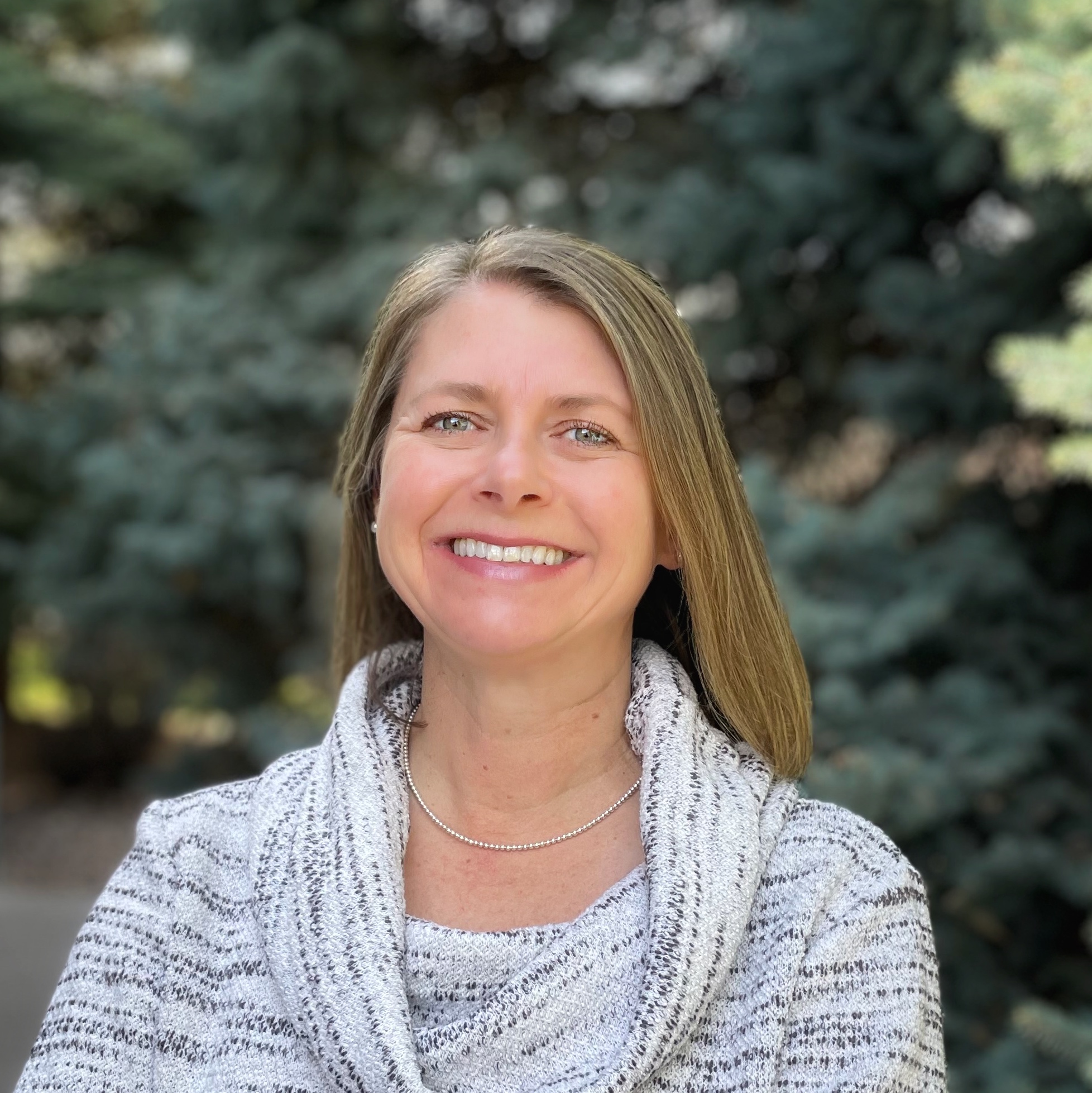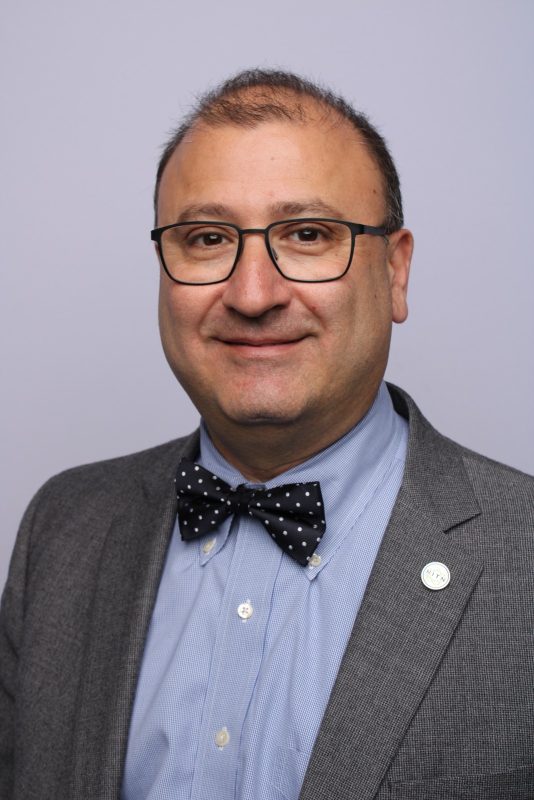






How can public health detect invisible threats before they become crises? In this episode, we explore two powerful approaches shaping the future of preparedness: wastewater surveillance and radiological emergency response. First, Allison Wheeler, manager, wastewater surveillance unit, Colorado Department of Public Health and Environment, shares how her team detected measles in wastewater before clinical cases appeared, helping local partners identify an outbreak early and act quickly. She explains how wastewater surveillance is evolving beyond COVID-19 to monitor emerging and re-emerging diseases, track antimicrobial resistance, and strengthen early warning systems across communities. Then, Dr. Ziad Kazzi, professor of emergency medicine at Emory University and president of the American College of Medical Toxicology, breaks down what a radiological incident really looks like, from accidental exposures to nuclear incidents, and why these events may be more manageable than many people assume. He discusses how mass gatherings, like global sporting events, prepare for rare but high-impact scenarios, the importance of detection and decontamination, and how health systems and emergency responders work together to protect both patients and communities. He will be the featured speaker at a webinar held tomorrow, Feb. 24, titled, 'Public Health on the Pitch: Radiation Readiness for the FIFA World Cup.'
Public Health on the Pitch: Radiation Readiness for the FIFA World Cup | ASTHO Webinar

JOHN SHEEHAN:
This is Public Health Review Morning Edition for Monday, February 23, 2026. I'm John Sheehan
with news from the Association of State and Territorial Health Officials. Today, two conversations about very different kinds of preparedness: wastewater surveillance and radiological emergency response. First, Allison Wheeler, manager of the Wastewater Surveillance Unit at the Colorado Department of Public Health and Environment, shares how her team detected measles in wastewater before clinical cases appeared, helping local partners identify an outbreak early and act quickly. Later, Dr. Ziad Kazzi,
professor of emergency medicine at Emory University and president of the American College of
Medical Toxicology, will explain what a radiological emergency really looks like, from accidental
exposures to nuclear incidents, and what to think about and prepare for with mass gatherings,
like, for example, the upcoming FIFA World Cup.
But first, here's Allison Wheeler explaining Colorado's approach to wastewater surveillance.
ALLISON WHEELER:
So we started a pilot project for measles wastewater testing back in May of 2025. And we
always do a pilot project when we bring on new pathogens so that we can evaluate the assay
for sensitivity, and we can figure out what the data means, and so when to report data to our
local public health departments and our public stakeholders. So it was in early August where we
detected measles genetic material in a wastewater sample from Grand Junction.
And first, we detected a really low-level detection, and then the sample directly after that, since
wastewater utilities submit two samples per week, that was a very high-level detection. And so
we were pretty sure that this indicated community transmission of measles in Grand Junction.
So we reached out to our Mesa County public health partners and alerted them of these
wastewater detections, and their first response was, we don't have any measles cases.
And we said, yeah, but we think there might be something going on, and so we would
recommend at a minimum reaching out to your health care providers to remind them that
measles is indeed circulating in Colorado, and to remind them of the symptoms, and to not
hesitate to test patients that presented with those symptoms. And so sure enough, two days
later, they identified their first case, and then after that, they identified a total of 11 cases that
were part of that outbreak.
SHEEHAN:
Kyle Riismandel That's wild. You absolutely caught it before even cases were coming in.
WHEELER:
Dr. Amy Bunger We did, and I think that's the power of wastewater surveillance, especially with
these emerging or re-emerging pathogens.
SHEEHAN:
Kyle Riismandel And what is it about measles that makes it detectable in wastewater, and what
other sorts of pathogens do you usually come across?
WHEELER:
Dr. Amy Bunger Yeah, so we have a set of defined targets that we test for. So we started with
COVID. We test for flu A and B, RSV, EVD68, MPOX, and of course, measles.
And part of what we do when we are figuring out which pathogens we're going to test for,
because we only have so many resources, is we determine if that pathogen is shed in the gut or
through urine, or another way to get into the wastewater system so we might be able to detect
it. And measles virus is in fact shed in urine, feces, and respiratory secretions of infected
individuals. And so we knew that we could, well, we thought we could detect it in wastewater,
and we did. And that allows us that early warning signal to identify us if there is a problem in a certain
community. And so we know that measles is shed in urine for four days before rash onset and
four days after. And so that's part of the reason that we added this as, you know, we wanted to
pilot measles to see if it was beneficial to test for in wastewater, and we found that it was.
SHEEHAN:
Yeah. And then you find yourself knowing ahead of the other health agencies that this is
coming. What do you do? How do you act on that, and how do you engage your partners to take action?
WHEELER:
Yeah, you know, I think we've learned some lessons for sure. And so I think we work very
closely with our other groups at CDPHE, including our Vaccine Preventable Disease team. And
they're also, they have to be supportive of what we're doing, and they are.
And so we work with them. We work with our epi response unit, who works very closely with
our local public agency. We worked with Mesa County Public Health. And then, of course, we loop in our comms teams. And so we, then we can figure out together how best to message the wastewater results to folks in the community, whether that's healthcare providers or whether it's the public too. And so we've learned that that consistent, clear language about wastewater surveillance is really needed to help our partners understand the results. And we also have learned that we need to continue our education outreach to our local public health partners to make sure that they understand the benefits of wastewater surveillance data and how to use it, how to act. And so specifically right now, one of our team members is working on an education campaign specifically for public information officers at local health departments so that they can feel confident in relaying those results to their communities.
SHEEHAN:
Yeah. And in addition to sort of that speedy response and that early detection, are there other
benefits to wastewater surveillance, either enhancing or complementing traditional disease
surveillance?
WHEELER:
Absolutely. I think a major advantage of wastewater surveillance is the ability, its ability to
monitor the health of an entire community in a cost-effective and non-invasive way. And so we
know that with people that are infected with measles can shed the virus in their urine up to four
days before the rash onset. And so this allows wastewater surveillance to pick up the virus before the person even knows they're sick. And so this overcomes some of the challenges of traditional case reporting, including the delay between infection and testing. And with a disease as transmissible as
measles, we don't really need trends. Yes, it's good to have trends to understand what's happening with levels of disease in the community. But with a disease as transmissible as measles, we act on those detections rather than those increasing trends. And so we tend to message a little bit differently with these emerging pathogens than we do with, say, our traditional targets like COVID or flu or RSV.
SHEEHAN:
I see. Because they're so transmissible, it's more of a red alert situation. Correct.
And so it sounds like communication with colleagues across the health system, the public
health system, was pretty key. What other lessons did you learn in engaging, you know, other parts of the system?
WHEELER:
Yeah, I think one of the things that we learned is that we need to involve our vaccine
preventable disease team and our health department leadership early on in the process of
bringing on a new target to make sure that they support surveillance for, you know, in this
case, vaccine preventable diseases and wastewater. If they don't, you know, we would be
collecting this data with no one using it, and we don't want to do that. And so the other thing
that we've really learned is that we need to teach our internal teams how to use and interpret the data.
It's not very intuitive if you're not familiar with this viral concentration data in wastewater. So
we really encourage their participation in calls with our team, our wastewater surveillance
team, and also with local health departments, so that they can explain the clinical relevance of
what we're finding in wastewater. And then I would say I encourage all folks that are even
interested, you know, we have teams here at CDPHE that reach out to us that say, hey, we're
interested in seeing if we could do wastewater surveillance for X pathogen. Can you do that? And so we talk through it to see if it's even viable, if it fills any surveillance gaps, of course, if that pathogen is even shed in wastewater, and what value it would bring to their current surveillance system.
SHEEHAN:
Yeah. So it sounds like the field itself is still being developed. You're still learning what you can find from wastewater.
WHEELER:
Absolutely. We are learning every single day. And it's been, we've been involved in this for almost five and a half years now.
SHEEHAN:
How much do other public health systems use wastewater surveillance? I mean, is it, is it widely
used?
WHEELER:
It is. I think now throughout the United States, I think at least every state is involved in
wastewater surveillance at different levels. Of course, we were one of the early adopters back in
2020 during the pandemic. But now at least most states are testing for the viral respiratory targets. So COVID flu and RSV. Other states, especially the six centers of excellence that CDC has designated, they're doing some more advanced work. And so we're doing a pilot project for seeing if we can detect antimicrobial resistant genes in wastewater, so we can determine the prevalence of antimicrobial resistance in communities. We're looking for fungal targets. We're looking for arboviruses like West Nile virus to determine if that can be a supplemental surveillance system. So it really depends state to state. But yes, most states are involved in wastewater surveillance now.
SHEEHAN:
It seemed like the, the, the expertise in parsing the data was a pretty, was a pretty fundamental
need for, for this kind of work. Do you have any other tips or advice for, for systems that want
to expand their use of wastewater surveillance?
WHEELER:
Yeah, definitely. You know, one of the things that we recognize here at CDPHE on our
wastewater surveillance team is that we are not an expert in all of the pathogens for which we
monitor. And so we very, we involve our other subject matter experts, you know, that work in
vaccine preventable diseases, or healthcare acquired infections, or our zoonotic team,
depending on what we're monitoring. We, you know, one thing that I would recommend is, is starting with those partners early on in when you're considering bringing on a target. So you can determine if number one, that target is, is shed in wastewater. If we're going to be able to pick it up, what kind of surveillance gaps that wastewater surveillance may fill by doing surveillance for that target, and how that subject matter expert team would use that data. We want to make sure that they're going to use it. I also think it's really important to involve your leadership so that their understanding and supportive of wastewater surveillance for whatever target you may do, may understand how to interpret and use the data. Because oftentimes they're asked by either media, or national officials, how and what we're doing at the state, right? So it's really important for them to be involved. I think too, letting it, letting people know that the wastewater surveillance team doesn't have to be the expert in that specific target that
you're monitoring is important, right? That can leave a lot of stress for the wastewater surveillance team.
And so that's when that subject matter expert team becomes really valuable, encourage them
to join calls with the local health departments, so that they can explain the clinical relevance of
what you're finding in, in wastewater surveillance data. And then I think it's important to make
sure that you're teaching your local public health departments, even the public, how to use this
wastewater surveillance data, so that even public stakeholders can use it to assess their own
disease risk. And then I would always encourage other state health departments or local health
departments to reach out to either your center of wastewater center of excellence in your
region, or to reach out to the Colorado team. We're always happy to talk to other states involved in this work and share our experience.
SHEEHAN:
Allison Wheeler is manager of the Wastewater Surveillance Unit of the Colorado Department of
Public Health and Environment.
ASTHO newsletter subscription options feature updates, analysis, resources, and events on pressing issues in state and territorial public health. Subscribe to receive legislative alerts, news releases, public health weekly events, and PHIG Connections through the link in our show notes.
Now let's hear from Dr. Ziad Kazzi, professor of emergency medicine at Emory University and
president of the American College of Medical Toxicology.
ZIAD KAZZI:
It's important to think about different scenarios where one would encounter radiation. For
example, you know, we often think of radiation as an invisible energy that is released from
radioactive material. But remember, you can also disperse this material without an explosive
device. You can disperse this material in a food supply or in a water supply, drinking supply. You can
also release material in the air, dispersing it manually. That's often referred to as a radiological
dispersal device. But there are also scenarios where you don't even disperse the material. Actually, the material is sealed. It's sealed and unshielded, which means any shield surrounding the material is
removed. The material is sealed, meaning it's one block of material. It's not indispersable mechanically.
And such material could be emitting radiation, exposing people in the environment of this
material and the surrounding of this material to radiation. We call that a radiological exposure device. There are other scenarios, more significantly dangerous and impactful scenarios like a nuclear detonation. People often think of radiation in terms of nuclear detonation. And that nuclear detonation, of course, brings a lot of trauma and burns and fires with it. It can also generate a large amount of radioactive debris that can become suspended in air and create a radioactive cloud that contaminates the surrounding environment. So those two scenarios, the nuclear detonation and the improvised nuclear device, which are a bit similar, these are probably the most significant and dangerous scenarios.
And finally, another scenario that people think about is the nuclear power plant emergency,
such as what happened in Fukushima as we are approaching March 11th, the anniversary of
the Fukushima nuclear power plant emergency. That also leads to dispersal of radioactive
material in the environment. However, these materials come from the nuclear power plant
itself and they become potentially released outside the nuclear power plant in the environment.
Contaminating the area as well as food, water, potentially exposing people to radiation. Now, of
course, these are all very rare scenarios. Some of them have never happened. However, the most common scenario is going to be accidental. We have occasional radiation accidents in the United States and all around the world. When a radiation source is misplaced, is lost, occasionally stolen, a car accident, a courier truck carrying radioactive material may have an accident, spilling the material on the road or inside the truck with the accident rollover, leading to some radiation hazards as well. So that's a brief summary of potential scenarios that we should think about when we are considering a radiation incident or emergency.
SHEEHAN:
Yeah. And you've described sort of a wide range of scenarios from, you know, relatively small
and contained to unbelievably bad. In the case of considering a radiological event in the
context of a mass gathering, such as the upcoming World Cup, what do organizers have to
think about when trying to protect people going to see the event?
KAZZI:
Professionals in organizing these large events, these mass gatherings, have a lot of resources
and have a lot of expertise in planning these and preparing for any potential emergency.
Radiation emergency is only one aspect of this preparation. And certainly they have a lot of
resources they can use. And one of the things that I always say to people is radiation is one of the easier hazards to detect. Personally, I would really think that if you had given me a choice between a radiation or a chemical emergency, I would definitely prefer to prepare for a radiation emergency because I
know I can detect it with radiation detectors. There's also the radioactive material speaks to us
by emitting limited types of radiation that we can detect in most cases relatively easily. So that's one important thing to consider. The other thing I would like to just mention is that we should keep it simple. So our response agencies should keep it simple in terms of the preparation and the response.
Always try to keep the guidance and their planning easy to understand and apply, of course,
using the best evidence available, the support of experts that are available at the state and local
level as well as the federal level.
SHEEHAN:
And from an operational standpoint, what are the first steps that organizers, that emergency
response, that public health overseeing everything, what are the steps that need to happen?
KAZZI:
Of course, initially it's important to recognize that a radiation emergency has occurred because
radiation exposures, you know, often do not lead to rapid onset signs and symptoms that are
easily detected or, you know, discerned by responders or by people themselves. Initially, it may
just be signs and symptoms that are similar to a food poisoning. Of course, if there is a
explosion or if there's any, you know, overt event, overt incident that's happening, it is part of
our protocols to check for radioactive material. So that will potentially help us in this situation identify that there's a radiation emergency as well happening. But once we start having an idea about what is the type of scenario that we are dealing with out of the list of scenarios that I gave you at the beginning, and also recognizing that there's a radiation emergency happening or the radiation exposure happening, which I told you is a little bit challenging potentially in some cases because the symptoms are delayed
and onset and not specific. But once that's identified, you know, you need to start thinking
about several considerations. First is the, of course, rescue of the victims, but while maintaining your responders and first receivers at the hospital safe. So in that situation, you must really consider what is the level of personal protective equipment that you need to use. For example, are you going to use
specifically the respirator or not an air purifying respirator? That's the main consideration here because otherwise the skin protection is going to be somewhat similar, you know, whether it's a level D or level C, what's going to vary is the respiratory protection, whether you use a surgical mask, a 995 mask or an air purifying respirator. Assuming you know the only hazard available on the scene is from radiation. You
need to also consider wearing dosimeters for responders to be able to track their doses, you know, because they may be exposed to some secondary radiation. So having a dosimeter on their bodies is important. You need to also look for the radioactive material on these victims, right? So you need radiation detectors. So that's an operational consideration. You know, you won't be able to do that without these radiation detectors that are available. They're handheld. Some of them are portal monitors where you have people pass through the portal and other methods of detection. So these are a few considerations that must be made in a radiation emergency by the responders, by the agencies that are, you know, addressing this event.
SHEEHAN:
Yeah. And what does treatment look like after that once it's been established that, oh gosh,
there is radiological material. It is, you know, the victims have been exposed to it. You know, they're being safely removed from the site. Then what? Then decontamination.
KAZZI:
Then, you know, if people are stable and don't have any life-threatening emergencies, then you
should look for the material and wash it out. Now, of course, removing the clothing, especially
when you're, when someone's dressed with clothes that cover most of their body, you know,
remember the objective material is like dust or debris, you know, radioactive debris. And I like
to think of it as dust or dirt or mud. Right. And if you're really wearing a shirt, long pants, you know, that really covers about 85% plus of your body surface area. So simply by removing this clothing, get rid of 85% of this radioactive debris, assuming it's uniformly located on your body. You're left with your head, your face, your hands, potentially your feet. So in this situation, then you look for the material with the detector and then you wash it. You can wash it with water, soap and water. And then you repeat the radiation survey and see if you've done a good job. Were you able to get rid of that dirt? So it takes time to do this. It takes somebody who's trained in using the detector, trained in decontamination while they're wearing the appropriate PPE, which we mentioned. And then they're decontaminated. At that
point, you know, they're not contagious. Right. So they are, you know, they're going to be evaluated for the potential for illness. Right. From this radiation exposure. Now, remember, there's some cases where there's no contamination. Remember, I told you about that ideological exposure device scenario where
you replace an unshielded sealed source that exposes people. People in that environment are not even contaminated because they didn't touch it. They didn't touch it and they were just standing there. What they've experienced is exposure to radiation similar to someone who's getting an X-ray or a CT scan.
Remember, these people go to the CT scan department or room, they get scanned and they
come back to the emergency department afterwards and they're not considered contaminated. Same in this scenario. So in these cases, you don't need to decontaminate these victims. And of course, in that case, a Level D personal protective equipment with a simple surgical mask is sufficient.
SHEEHAN:
Dr. Ziad Kazzi, Professor of Emergency Medicine at Emory University and President of the
American College of Medical Toxicology. You can join ASTHO and Dr. Kazzi for a webinar
focused on public health preparedness and response related to the upcoming FIFA World Cup.
This session will highlight response operations to a radiological incident during a mass
gathering. Dr. Kazzi will address key response considerations from a health department and public health lens, including triage, contamination management, radiation safety rules and detection assets,
community reception centers, medical countermeasures, and more. There will be time for a Q&A session to address questions from attendees. You can find a registration link in the show notes.
This has been Public Health Review Morning Edition. I'm John Sheehan for the Association of State and Territorial Health Officials.