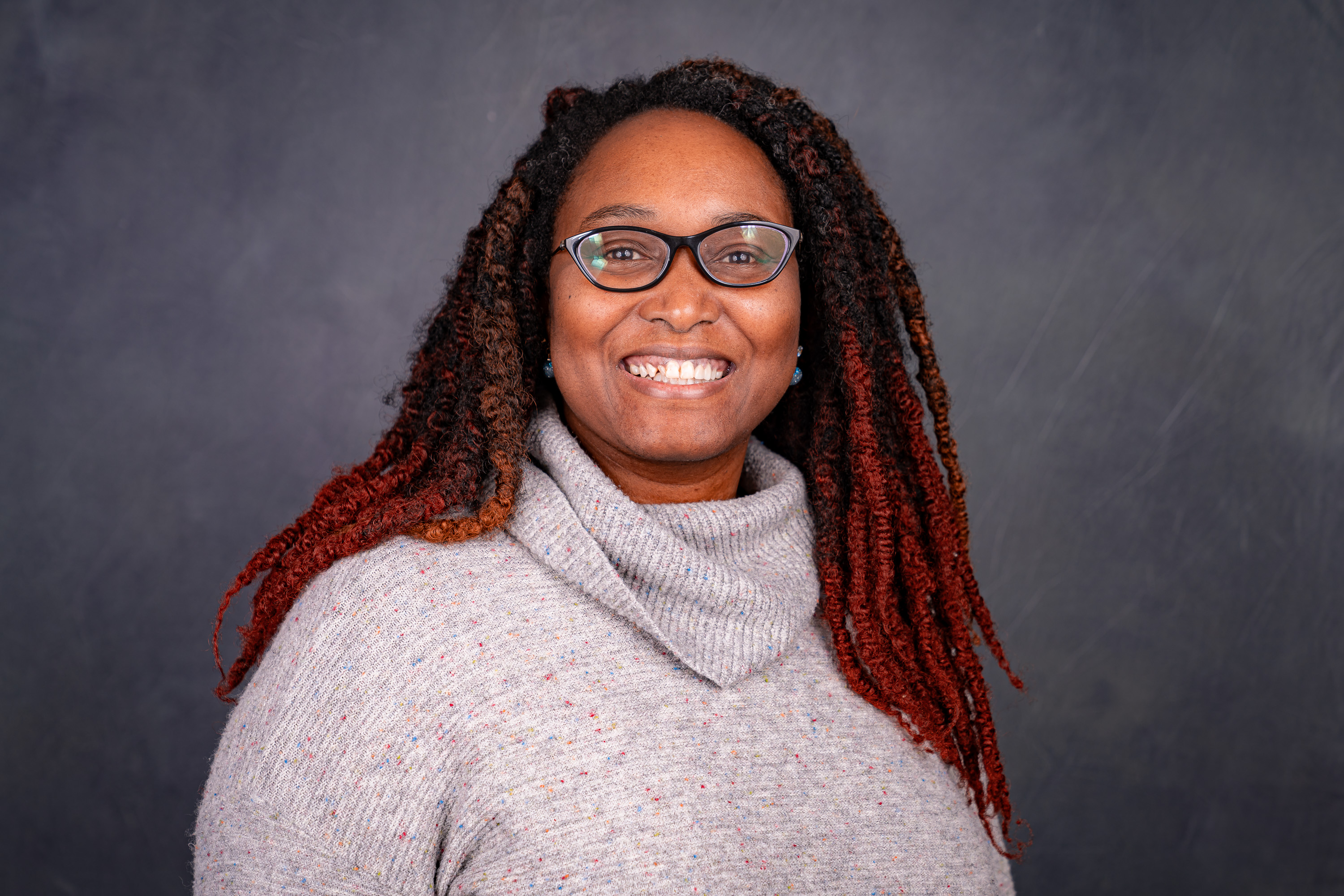
What does it take to build a resilient public health system? Keshana Owens-Cody, director of the Office of Public Health Infrastructure at the New York State Department of Health, talks about incorporating core competencies into public health agencies and why fostering a true culture of learning is essential in an era of constant change. Owens-Cody explains how competency-based frameworks can help agencies move beyond “survival mode” and toward a more intentional, organized approach to workforce development, performance evaluations, accreditation, and long-term infrastructure building. Later, Catherine Murphy, senior analyst of government affairs at ASTHO, discusses the status of the Pandemic and All-Hazards Preparedness Act (PAHPA). Originally passed in 2006, the sweeping preparedness law underpins key programs supporting medical countermeasures, hospital readiness, and emergency response nationwide.
The Future of PAHPA and National Public Health Preparedness | ASTHO

JOHN SHEEHAN:
This is Public Health Review Morning Edition for Wednesday, March 4th, 2026. I’m Jon Sheehan with news from the Association of State and Territorial Health Officials.
Today: what does it take to build a resilient public health system? Keshana Owens-Cody, director of the Office of Public Health Infrastructure at the New York State Department of Health, talks about incorporating core competencies into public health agencies and why fostering a true culture of learning is essential in an era of constant change. She was recently a panelist on an ASTHO webinar addressing the topic. Later, Catherine Murphy, senior analyst of government affairs at ASTHO, will discuss the status of the Pandemic and All Hazards Preparedness Act, or PAHPA. Originally passed in 2006, the sweeping preparedness law underpins key programs supporting medical countermeasures, hospital readiness, and emergency response nationwide.
But let’s start with Keshana Owens-Cody and an explanation of the term: core competencies.
KESHANA OWENS-CODY:
Core competencies are a set of skills that everyone possesses inside of their different positions that they hold, no matter if you’re working in public health or you’re working in a different industry. But core competencies help managers, help staff understand the different skills that you need to be able to work in various positions and drive up to roles and responsibilities when you’re in the workplace.
SHEEHAN:
And is it more about sort of defining these competencies in the workplace or is it about organizing them?
OWENS-CODY:
I would say it’s a combination of both, especially working in public health. It does help to organize so that you know what different skills and different responsibilities that you have. But public health is very complex and there’s a lot of different core competencies and skills that you need to be a strong, responsive, and relevant public health professional.
SHEEHAN:
And Keshana, is this webinar for leaders? Is it for staff?
OWENS-CODY:
Yeah, I would say anybody, so if you’re currently on the fence on like, how do I pull these core competencies in? You know, there might be a team that you’re working with right now. I would say invite the entire team and be inclusive of your human resource department. So, invite HR, invite your program manager, whoever’s working on workforce development, book a room, get a conference room, talk to each other afterwards about how we can incorporate these things. But definitely don’t come to this space alone. Try to bring your team. Don’t feel that you should be in this conversation alone.
SHEEHAN:
You also say the necessity of a ’culture of learning.’ And I think that’s a phrase that makes some sense on the face of it. But what does it actually mean?
OWENS-CODY:
Yeah, a culture of learning means that your organization is embracing learning every single day, whether you're working with professional development or you're holding your own communities of practice in your own organization and being able to transfer knowledge amongst your team. But it's embracing it. When we work in public health, we have to embrace a culture of learning because the populations that we serve, there's technology advancements, life is changing every single day, and we have to be able to be responsive to the public during public health emergencies. So a culture of learning helps us to make sure that we're always on our toes and that we are able to, respond to public health emergencies and public health prevention and develop public health interventions regularly. So culture of learning is super important to make sure that we are responsive to everyone's needs.
SHEEHAN:
And as you kind of implied there, it's not sort of a one and done thing. Learning is always happening. Everything's evolving. The world is changing so quickly. So, embracing learning is kind of an all the time thing.
OWENS-CODY:
Absolutely.
SHEEHAN:
And so, the webinar has input, has speakers from across the system, from different state agencies, as well as the Public Health Foundation. Why is it important to have these different perspectives? And could you also describe what a peer-to-peer learning model is?
OWENS-CODY:
Sure. So, it's great that we're all coming together from different layers of public health because health is inside of, public health is at state agencies, it's in local health departments, it's in community-based organizations. So, you'll be able to hear from different perspectives on how we've all adapted and implemented core competencies into our respective spaces. And peer to peer learning is great. Like this webinar is all about that. Like you'll probably see us on the webinar, even taking notes from each other as we're hearing each other's presentations. But peer to peer learning is, we're all subject matter experts when we come into the space or we're all learners in this space, but we're able to share, contribute, take note, take ideas, call each other afterwards. So this is one of those opportunities where you'll be able to connect with us, follow up with us and ask us questions, but we also want to learn from you too.
SHEEHAN:
And for a busy department, could you describe a specific pain point or a specific issue that is prevalent across agencies that this webinar is going to address?
OWENS-CODY:
Yeah, you may be on the fence on where to start. Where do I start with talking about core competencies, especially public health core competencies, and how does this relate to my job descriptions or my performance evaluations, or even how do I pinpoint what training and development needs I have? This is going to be a great spot for you to hear from a lot of different perspectives on how they started, where they are today, and if it's sustaining, how did they maintain this energy to bring in core competencies into their workspaces?
SHEEHAN:
And could you explain the difference between business as usual, or maybe an agency being in survival mode, say, and transitioning to a competency-based structure, something more intentional, something with a plan?
OWENS-CODY:
Yeah, so many of us, if I think of in public health, many of us have accreditations, and this actually may even help you with strengthening your workforce public health accreditation areas. So, this will help you, you know, organize, you know, looking at your different staffing that you have, looking at the skills and responsibilities that you need. This will help you with developing your training plans. So, you know, core services that you offer your staff within your respective organizations, this webinar and the core competencies will help you to build your infrastructure or strengthen your infrastructure.
SHEEHAN:
Now, let's hear from Catherine Murphy, Senior Analyst of Government Affairs at ASTHO, with an update on the status of the Pandemic and All Hazards Preparedness Act, or PAHPA.
CATHERINE MURPHY:
This is a very big piece of legislation. It was originally passed in 2006 and has had subsequent reauthorizations in 2013 and 2019. But the legislation itself authorizes key programs for public health preparedness. Among PAHPA's provisions are programs and authorities for public health emergencies, medical countermeasures, medical response, infectious disease and bio threats, and protecting vulnerable populations, including children, seniors, and people with disabilities.
SHEEHAN:
And the act was due for reauthorization, but it wasn't. Could you tell us why it hasn't been reauthorized and maybe what's slowing it down?
MURPHY:
I can certainly try. So, this legislation remains a priority for members of Congress and their staff. It's talked about on the Hill pretty regularly, but there's a couple of factors that have slowed down reauthorization. There are a number of stakeholders involved on and off the Hill that are invested in shaping the legislation. So, lots of inputs. And over the past few years, despite that push for reauthorization, I think the movement has really been delayed due to the sheer size of the bill. We've heard from congressional staff that it's just a huge bill to move and there's a lot of detail. And there's other priorities on Capitol Hill taking up quite a lot of bandwidth, namely the appropriations process has been very slow and delayed over the last couple of years. So, instead of having appropriations done for the fiscal year starting in the beginning of October, things are getting pushed into continuing resolutions and appropriations being completed piecewise throughout the year. Along with those continuing resolutions, there have been short-term reauthorizations for programs within PAPA instead of reauthorizing the bill as a whole.
SHEEHAN:
But there has been perhaps what could be described as a renewed push to the act?
MURPHY:
So, we certainly hope to see a renewed push for reauthorization. This spring, Congressman
Dunn's office released a request for information for stakeholders to help shape PAHPA's
reauthorization. ASTHO will be responding to this request for information.
SHEEHAN:
You've described in a recent blog post a pretty consequential executive order that basically shifted federal responsibility down to states and local governments, some of the responsibilities around disaster planning. Can you talk about what has happened and what the impacts could be?
MURPHY:
Yeah, absolutely. This executive order proposes shifting the nation's response framework and disaster planning from the federal government to states and local entities. This has created a little bit of buzz as this executive order proposed states be responsible for evaluating and managing their readiness, including supplies like personal protective equipment and medical countermeasures. While these changes haven't been implemented yet, directors of preparedness have highlighted the importance of working in concert with the Administration for Strategic Preparedness and Response, which oversees the strategic national stockpile, have highlighted the importance for setting clear expectations for states and localities to do that work preparedness and stockpiling, and have also highlighted the necessity of time for states to make these changes. So, this isn't an executive order that could be implemented overnight.
SHEEHAN:
So, in talking about, again, the delays to reauthorization of the act, you point out programs like the Hospital Preparedness Program and the Public Health Emergency Preparedness Program. Could they be impacted by the delay and reauthorization?
MURPHY:
They can be. So, authorizing and appropriating are two words that find themselves really commonly thrown around in the D.C. vernacular. They have different meanings in policy buT often get conflated. So, authorizing legislation provides a framework for grant programs and works through a different congressional process. And Congress can fund programs that are not authorized and they do so annually. But in this complex political environment, the administration has indicated some reluctance to continue funding unauthorized programs. Additionally, authorizing or reauthorization provides an opportunity to look at these programs and authorities within PAHPA and make any necessary changes given the different environment that we find ourselves in 20 years after the initial passage of the bill.
SHEEHAN:
Okay, so essentially there's just a lot of uncertainty.
MURPHY:
There can be a little bit. We expect to see, because these are such big priority programs, especially the Hospital Preparedness Program and the Public Health Emergency Preparedness Program, fund a significant portion of state-level preparedness through cooperative agreements with the states. So these programs, we know are priorities for state health departments and for the federal government to work together and ensure we have a strong preparedness stance. These programs have continued to be funded and we expect to see them funded in the future. But it's certainly important to continue authorizing these programs and to see a PAHPA reauthorization.
SHEEHAN:
Yeah. Can you give us a sense of what we should be watching out for on the legislative front to
MURPHY:
Absolutely. We will be excitedly looking for a bill introduction after the request for information has been completed. We have also heard that there will be some priorities for PAPA in the President's budget request, which we should be seeing in the next couple of weeks. And from there, we can see what the conversation on the Hill looks like, what stakeholder input looks like, and where it might go this year.
SHEEHAN:
Catherine Murphy is a senior analyst in government affairs at ASTHO. Earlier, we heard from Keshana Owens-Cody, director of the Office of Public Health Infrastructure at New York State Department of Health.
Join ASTHO for Part 1 of a new Lunch and Learn webinar series to explore recent Medicaid policy changes and their implications for sexually transmitted infection prevention, treatment, and coverage. As part of ASTHO's Policy Institute, this webinar will highlight key Medicaid policy updates, examine potential impacts on STI programs, and discuss considerations for state and territorial health department programs working to maintain the continuity of care. You can register at the link in the show notes.
This has been Public Health Review Morning Edition. I'm John Sheehan for the Association of State and Territorial Health Officials.