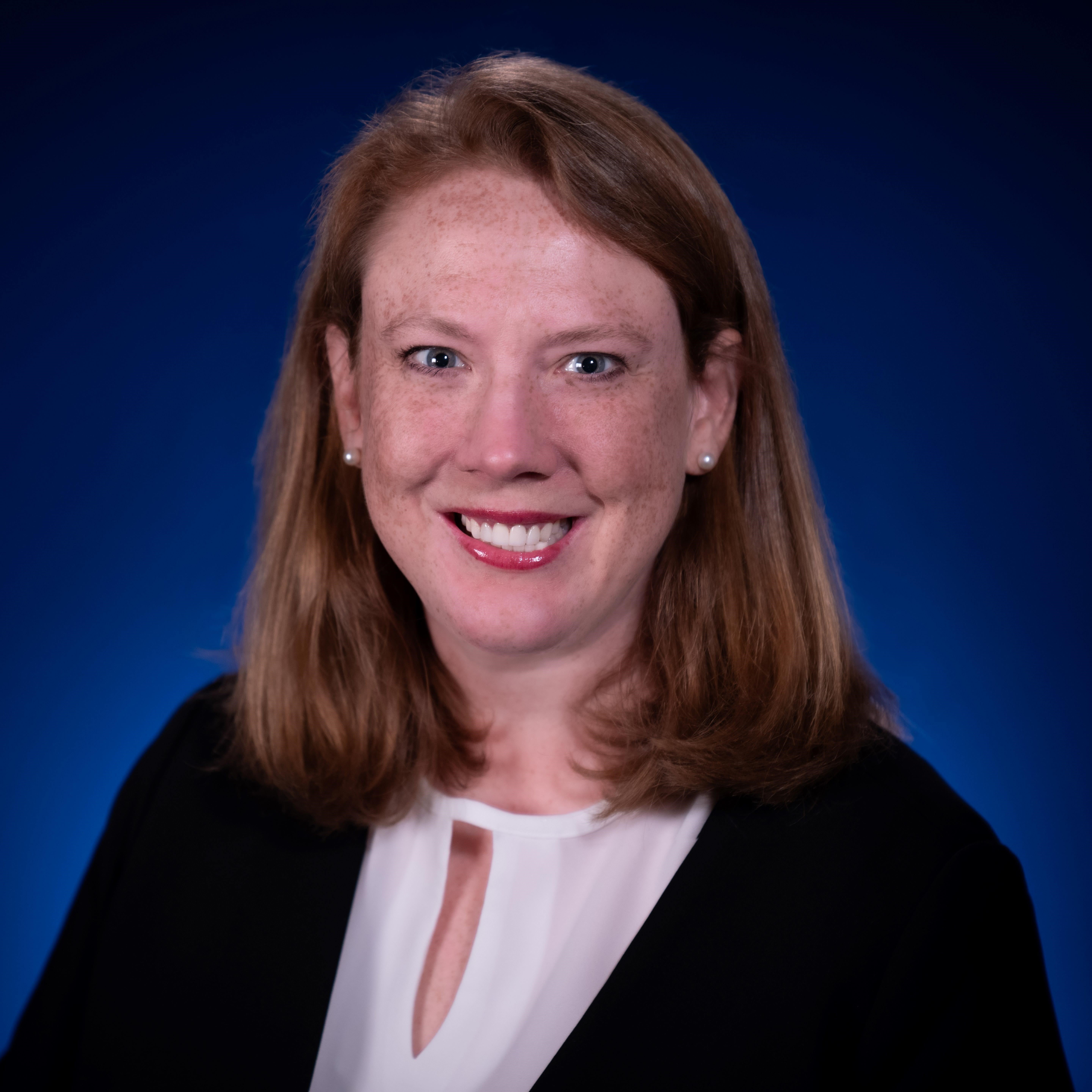
A major measles outbreak is testing public health systems, community trust, and the power of vaccination. In this episode, Dr. Brannon Traxler, ASTHO member and deputy director of health promotion and services and chief medical officer for the South Carolina Department of Public Health, shares the latest update on the state’s response, with nearly 1,000 confirmed cases since October 2025. She explains why vaccination remains the cornerstone of outbreak control, how rapid case identification and contact tracing are helping to slow transmission, and what health officials are learning about spread within large, close-knit households. Then, Heather Tomlinson, senior analyst of environmental health at the Association of State and Territorial Health Officials, breaks down the growing presence of kratom in U.S. markets. She explains its traditional use in Southeast Asia, how modern products differ from natural leaf preparations, and why highly concentrated or synthetic compounds are raising new health concerns. With federal guidance still evolving, states are developing a patchwork of policies—offering lessons for how public health can respond to emerging psychoactive substances.
youtube.com/watch?v=cNt_Wgu8LqE
Kratom 101: What You Need to Know | ASTHO
Association of State and Territorial Health Officials (@asthonews.bsky.social)
Association of State and Territorial Health Officials (@asthonews) • Instagram profile
https://www.linkedin.com/company/association-of-state-and-territorial-health-officials/
ASTHO (Association of State and Territorial Health Officials)

JOHN SHEEHAN:
This is Public Health Review Morning Edition for Wednesday, February 25th, 2026. I'm John
Shan with news from the Association of State and Territorial Health Officials. Today we hear
how a major measles outbreak is testing public health systems.
ASTHO member Brannon Traxler, Deputy Director of Health Promotion and Services and
Chief Medical Officer for the South Carolina Department of Public Health, shares the latest
update on the state's response. Later, we'll hear about the growing presence of kratom in
U.S. markets. Heather Tomlinson, Senior Analyst of Environmental Health at ASTHO, will
explain the substance's traditional use in Southeast Asia, how modern products differ from
natural leaf preparations, and why highly concentrated or synthetic compounds are raising
new health concerns.
But let's start with Dr. Traxler and the current state of measles in South Carolina.
BRANNON TRAXLER:
So as of February 17th, we were reporting 962 cases, confirmed cases of measles in the
state during this outbreak. So going back to the beginning of, I guess, October of 2025. So
we are seeing some slight kind of starting to plateau, starting to maybe turn the curve, you
know, some downwards, downward trajectory, the slope upward is not as steep as it was,
but still have a ways to go, certainly, with that still seeing new cases every day.
SHEEHAN:
And what's been the playbook for, for responding to it and for containing it?
TRAXLER:
Certainly. So first of all, we know that vaccination is the key to getting out of getting out of
the outbreak. And so really trying to increase knowledge, you know, accurate, correct
information, knowledge, and make sure that access was present, especially in the
communities that were being hit the hardest. And so, so vaccination, ease of vaccination, and then, and of course, trusting the vaccination. And then the other big part was there's non-pharmaceutical interventions. And so quarantine is the early case identification on contact tracing.
We would ask, we were asking providers that when they even suspected measles, if they
were going to send a swab, call us, don't wait till you get to the positive result two or three
days later. Call us when you first are going to send it. We're going to give them some
instructions, even just right there to give the patient when they send them home, mask it,
you know, make sure they quarantine or isolate and whatnot.
We also would then start trying to reach out and do contact tracing on those patients,
interview them, see where they've been, identify their contacts, and start asking them to, to
quarantine so that by the time we got the results back two, three days later, we already
were ready to, to, to start or had already put in place, you know, quarantine measures and
were hopefully stopping the spread with that, with that early and aggressive case
investigation and contact tracing.
SHEEHAN:
And do you have some sense of the factors that have been contributing to the increases?
TRAXLER:
So we certainly know that, that there's not great vaccination rates in a lot of these
communities in this county. We know that the schools, school districts in Spartanburg
County in particular, many of them have high exemption rates and so have, you know,
vaccination rates for MMR that are well below 95 percent. You know, it's kind of near that
herd immunity. You know, one thing we've seen is we're seeing a lot of, you know, multi-people, large households with, with many children, many vulnerable or unvaccinated people in the same
household or in the same family unit, even amongst several households. And so we're really
seeing the spread was occurring in households, you know, or amongst families rather than
even more so and rather than more so than in school, for example.
SHEEHAN:
Oh, wow. And it's unfortunate that you kind of have that metric to look at that 95 percent
vaccination rate. And when, when uptake drops below that, you kind of, you kind of know
what's going to happen.
TRAXLER:
Exactly. You know, we had one of the first schools and had to, you know, have to cut a 17
percent vaccination rate.
SHEEHAN:
My goodness.
TRAXLER:
So there, unfortunately, you know, been a number of kids that have had to be quarantined
and excluded, you know, from, from exposure at school when you have that many. And
certainly we were aiming to minimize the disruptions to education. And then, of course, also
for adults, you know, the workforce as much as possible.
But also knowing how contagious this is and the need to stop the spread.
SHEEHAN:
Yeah. In light of that and in light of how serious this disease really is, what, how do you get
that message out to the community?
TRAXLER:
Yeah, I think some of it is that they have had to, they have had to see it to believe it, you
know, in terms of, you know, having your child excluded for the second 21 day period or
something from an exposure. I mean, that that is pretty eye opening, you know, as there
have been cases that the community has become aware of where it was more serious,
where somebody was hospitalized. You know, I do think and hope that that is impacted
them and really made them reevaluate, you know, getting their children vaccinated.
SHEEHAN:
Is there anything else that you feel like public health officials or community members should
be hearing right now?
TRAXLER:
You know, we've been working also with faith based groups, you know, in South Carolina
and church and other faith based organizations are very, very central and very critical part
of many people's lives. And so that is the other thing that we've been trying to do in that
area is work with church and faith based group leaders to make sure that they have the
accurate information and that they're not, you know, helping to spread misinformation, that
they know what the right information is to give their their members. And, you know, even
asking them to say, hey, can you encourage, you know, can you use your position, you
know, as this respected person in the community to really encourage vaccination, you know,
and help spread true information that's that's accurate.
And so, you know, it's been it's been slow some with some others have been have embraced
it. But I think even with the slow ones, it's we have been building relationships, which is key,
you know, for not just this outbreak, but long term.
SHEEHAN:
So, Dr. Traxler, are you finding that certain communities just have more resistance to, say,
government messaging or to sort of trusting health officials just, you know, because of the
world right now?
TRAXLER:
Well, we certainly are seeing groups of people that that are believing a lot more of the
misinformation and just don't have much trust of the government for various reasons, but
especially coming out of the pandemic. But, you know, we also see groups and we've seen
some, you know, immigrant legal immigrant communities, for example, in this in this
situation, you know, Eastern European, where that are very close knit communities and very
strong, great members of the society and of the state that have very, very valid reasons for
not trusting the government. You know, if they came about if they came of age as the as the
Soviet Union was falling apart, you know, and were being potentially even given vaccines or
placebos because the government didn't have enough, you know, or, you know, were being
lied to by the government. I mean, there there's a lot of history with some of these communities that is very real and you cannot fault them then for not trusting us, you know, and so it's going to take time and relationships for us to help them see that that we're not the same as as what they
experienced, you know, 30, 40 years ago and and that we really do want to help and provide
accurate information.
SHEEHAN:
Dr. Brandon Traxler is an ASTHO member and deputy director of health promotion and
services and chief medical officer of the South Carolina Department of Public Health.
Happy 125th anniversary to the New York State Department of Health. The department's
milestones of success began early by pioneering food and drink sanitation standards in
1902. The department's commissioner is ASTHO member James McDonald. You can hear his
message celebrating the success in New York state through the link in our show notes.
Now, let's hear about a relatively new substance to U.S. markets, kratom. Heather Tomlinson,
senior analyst of environmental health at ASTHO, will tell us what kratom is, how it's been
used historically and how today's products differ from traditional leaf based preparations.
HEATHER TOMLINSON:
It's from Southeast Asia and it's actually derived from the leaves of the kratom tree native to
that area. Historically, it's been used by chewing the leaves or creating a tea, which has
helped with fatigue, pain relief and treating withdrawal symptoms. And it's very commonly
part of socio religious ceremonies.
In the U.S., we've been seeing a shift where these new kratom products kind of range from a
variety of forms from powders, gummies and beverages. But the chemical composition of
these products has also significantly changed from the traditional usage.
SHEEHAN:
Yeah, it's been sneaking into the marketplaces along the lines of, you know, an ingredient
that's in energy drinks or supplements, that kind of thing.
TOMLINSON:
Yeah, we are seeing it in a lot of different formats.
SHEEHAN:
And a lot of the a lot of those kratom ingredients stateside around here use synthetic
compounds, correct?
TOMLINSON:
Yeah, so some of those changes in the new forms that we're seeing are with metragynine
and 7-OH and these two chemicals are normally found in just trace amounts in the natural
kratom leaf product. And they can produce a response similar to opioids in their traditional
state. But in these new products, westernized products that we're seeing on the market,
they're using a synthetic version of 7-OH, which can be concentrated to much higher levels
than what we see naturally. And this is concerning because we've seen higher levels have been associated with
significant health risks such as rapid heart rate, high blood pressure and seizures. And these
products currently aren't being regulated at the federal level, which has caused a wide
variation of product composition and packaging and has led the FDA to classify kratom as an
unsafe food additive. And they've recommended 7-OH products to be classified as a
controlled substance.
SHEEHAN:
And so because there is sort of little federal guidance, what are states doing in terms of
regulation?
TOMLINSON:
Yeah, so without the stricter federal regulation or guidance around these products, we've
seen states kind of creating a patchwork of different regulations and taking very different stances on how they're regulating these products. So we've seen some states that have
actually allowed the sale of these products and created new sales taxes to help support the
product regulation and licensing. At the same time, we've also seen several states consider
kratom as a controlled substance. And then we've had 18 states that have actually regulated the possession, distribution, sale and or manufacturing of the products, including age restrictions on who can buy these types of products and then also some labeling requirements.
SHEEHAN:
OK. And this is hardly the first substance to make its way into the marketplace of
supplements and sort of new beverages, energy drinks, that kind of thing, not to mention
beverages and supplements that have things like THC and psilocybin and huge amounts of
caffeine. Can you sort of place it in the pantheon of these sort of new ingredients that are
creeping up seemingly everywhere?
TOMLINSON:
Yeah. So we've definitely seen an expansion of food freedom movement and people
consuming new types of products or new ways of consuming products. Some of this has
been clearly stated by the FDA that they're not supplements or approved food additives.
But oftentimes with these quickly changing trends, we often see that regulations lag behind
the emergence of these new products. So it's really important that the public follows public
health guidance when consuming these, whether that's the approved format or if the
product should be consumed at all.
SHEEHAN:
Yeah. How should consumers kind of navigate this stuff? As we've described, this is not a
leaf from Southeast Asia.
It is a compound that's being manufactured. What kind of considerations should consumers
be making?
TOMLINSON:
Yeah. And as more novel and psychoactive additives are added to the food supply, it's really
important to follow the federal guidance and research around these products. We are
seeing states take a lot of lessons learned from cannabis regulation on how to make sure
these products are reaching the public safely. And I think it's important for states to try to stay aware of these new trends and new products that are coming into the market and reach out for federal guidance on how to respond to these. We also recommend states to connect with their peers if other states have regulated these products or manage the sales to see what they've done and what's been successful.
SHEEHAN:
Heather Tomlinson is a senior analyst of environmental health at ASTHO. Earlier, we heard
from Dr. Brandon Traxler, an ASTHO member and deputy director of health promotion and
services and chief medical officer of the South Carolina Department of Public Health.
Want more public health insights beyond the podcast? Follow ASTHO on social media for the latest news, resources and conversations shaping state and territorial public health. You can find us on Instagram, Facebook, X, LinkedIn and BlueSky, where we share updates from the field, new tools, policy developments and stories from health leaders across the country. Follow ASTHO wherever you scroll and find those links in the show notes.
This has been Public Health Review Morning Edition. I'm John Sheehan for the Association of
State and Territorial Health Officials.