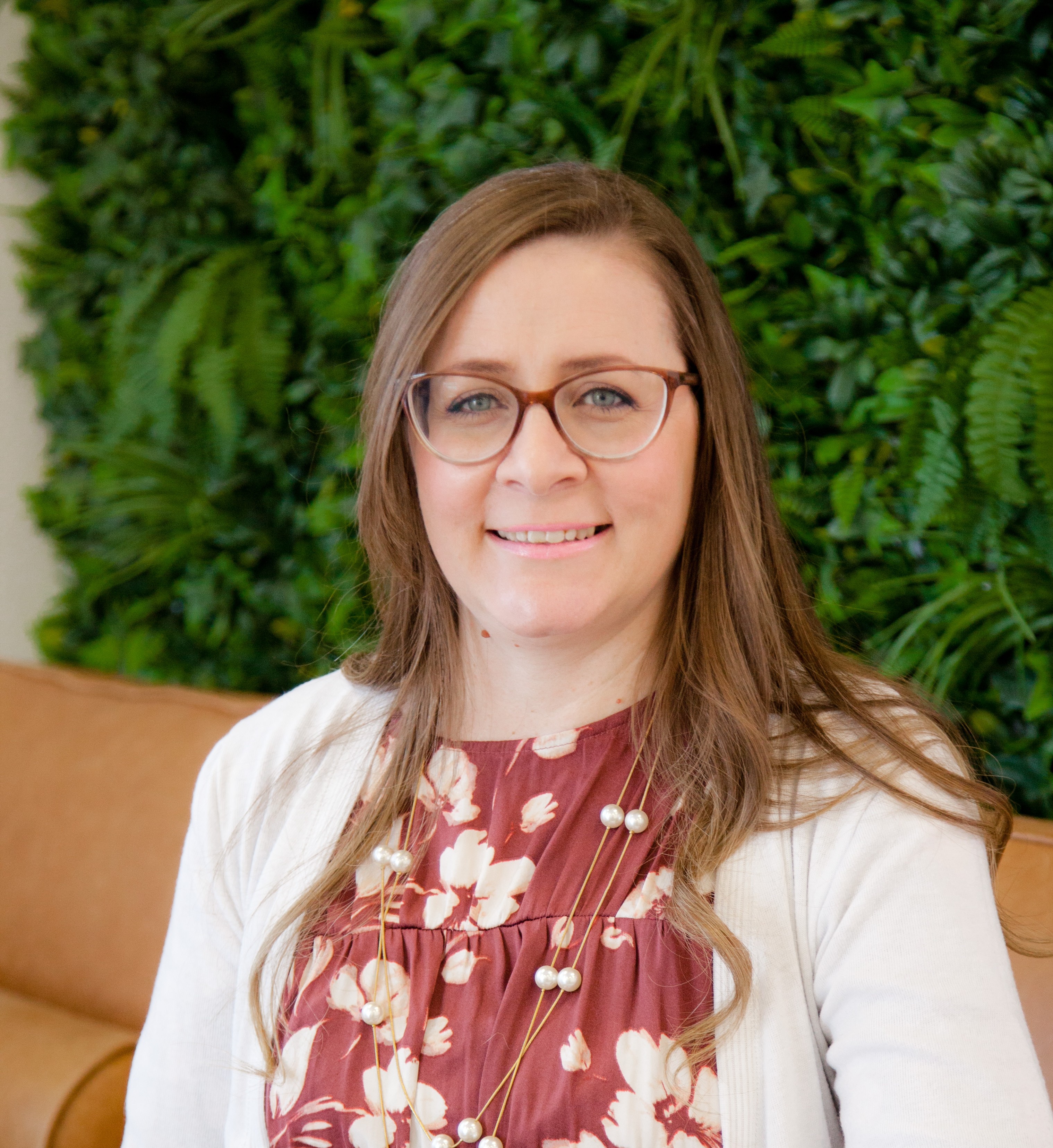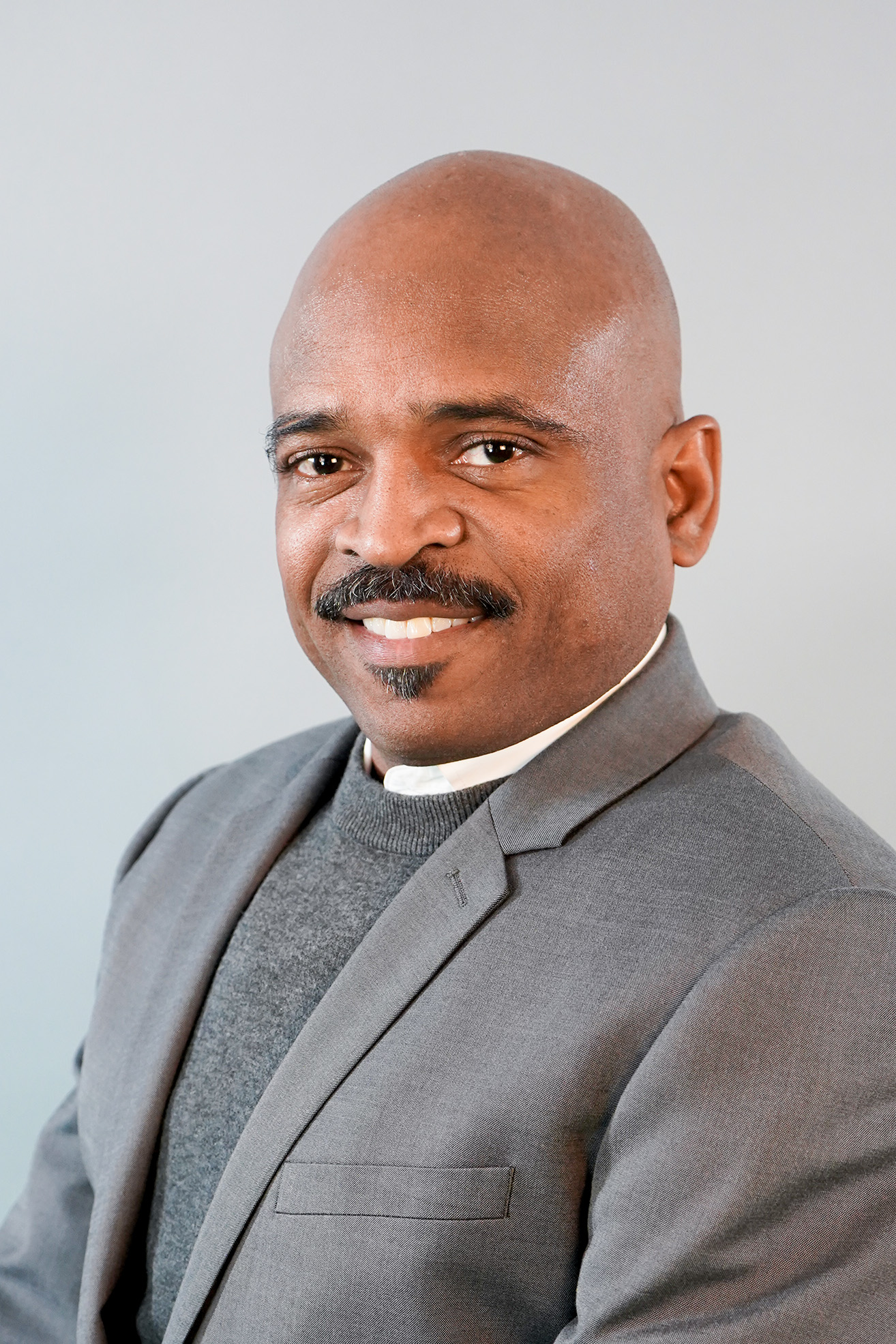
How do public health agencies expand access to mental health support while genuinely engaging the next generation? In this episode, we speak with Heidi Laird and Xavier Foster from the Southern Nevada Health District about two PHIG-funded initiatives designed to do exactly that.






How do public health agencies expand access to mental health support while genuinely engaging the next generation? In this episode, we speak with Heidi Laird and Xavier Foster from the Southern Nevada Health District about two PHIG-funded initiatives designed to do exactly that. First, Heidi Laird shares how Clark County launched CredibleMind, a customizable, evidence-based mental health and wellbeing platform created in response to rising mental health needs and a shortage of providers. She explains how flexible PHIG funding made it possible to reach youth and community members with self-help resources, reduce stigma, track meaningful engagement data, and build trust through partnerships, targeted outreach, and creative promotion. Then, Xavier J. Foster discusses the SPARK Youth Advisory Council, a pilot program elevating youth voices in public health decision-making. He highlights how youth-led initiatives—from school town halls to smoke-free campus policy efforts—are already shaping real-world outcomes, and why treating young people as collaborators is essential for building healthier communities and a future public health workforce.
This work is supported by funds made available from the Centers for Disease Control and Prevention (CDC) of the U.S. Department of Health and Human Services (HHS), National Center for STLT Public Health Infrastructure and Workforce, through OE22-2203: Strengthening U.S. Public Health Infrastructure, Workforce, and Data Systems grant. The contents are those of the author(s) and do not necessarily represent the official views of, nor an endorsement, by CDC/HHS, or the U.S. Government.
Public Health Infrastructure Grant: Resources & Impact - PHIG

JOHN SHEEHAN:
This is Public Health Review Morning Edition for Tuesday, February 3, 2026. I'm John Sheehan, with news from the Association of State and Territorial Health Officials.
Today, another edition of the PHIG Impact report, this time focusing on expanding access to mental health services. We'll hear from two officials from the Southern Nevada Health District who are using PHIG funds in different ways, but both with an emphasis on engaging young people. Heidi Laird is a health educator and suicide awareness coordinator in the Office of Disease Surveillance and Control. She'll tell us about the CredibleMind platform, which provides access to mental health resources. Later, we'll hear from Xavier Foster, health equity coordinator at the Southern Nevada Health District, about the SPARK Youth Advisory Council, a pilot program elevating youth voices in public health decision-making. First, here's Heidi Laird with more information about CredibleMind, Nevada's online mental health and well-being platform.
HEIDI LAIRD:
It is customizable and allows access to credible evidence-based information for different communities. So currently, Clark County uses it, and it gives people access to assessments and topics on depression, suicide, other anxiety, depression, all of those things. So, people who are looking to kind of start their mental journey would prefer more of a self-help-type journey. They can access this and know that it's credible.
SHEEHAN:
And it was in response to rising mental health cases and a shortage of providers, right?
LAIRD:
Yes, correct. So, we needed kind of a creative, outside-of-the-box solution to address this need and give people access to this important information. You know, as there is a shortage and access was limited.
SHEEHAN:
And one of the funding mechanisms that made this possible was PHIG, correct?
LAIRD:
Correct, yes. We used PHIG's flexible funding to help launch this platform in 2024 and that made it so that we could promote the site throughout the community, and we were able to launch an employee and a community platform so that we could have this greater access. The site allows us to track data so we know what this community is accessing. So, currently, our community is really interested in topics of anxiety and depression, and our demographics are mostly female and youth between the ages of 13 and 17. So, this is really important data for us to be able to understand what the community is needing and who's accessing it.
SHEEHAN:
And just a note about that sort of flexibility that PHIG provided: Why was that important for, for, like, implementation of the program?
LAIRD:
Well, because of the provider shortage, we really needed a way to increase access to mental health resources that were credible and evidence-based, and we needed a way to promote mental health awareness, to kind of reduce that stigma in help-seeking. And we also know that a lot of people prefer to start their mental health journey with self help strategy. So, PHIG allowed us to provide our community with this perfect self-help type resource. And then Clark County is huge, so we really needed a resource that could be broadly applicable and accessible to everybody in the community. So, PHIG allowed us to meet those three kind of check marks.
SHEEHAN:
And you mentioned sort of the ability to track users, to get that demographic data. That's really, really important for being able to track the issue. Have there been any other successes that you can point to from the platform?
LAIRD:
Yeah, so I mean, we did have that data to track. And so we're seeing 800 new users per month, which means the community really needed this, and then we have that demographic of women and teenagers that are really using it, but we're also getting like feedback from community members. We had a mom of teenagers who said that she really appreciated the site because it helped her to understand her teenagers and how to help them with their mental health and to help them build the tools of resilience. And then we had a Clark County School District teacher who reached out and was grateful for the site, because it helped her to address burnout early and prevent burnout. We have a therapist who I was talking to who mentioned that before she had met with me, she was looking for credible resources to share with her client to support their therapy, and this met that need. It is credible, it's easily accessible, and it provides a plethora of resources that can support therapy. Yeah, and we have high school students that are using it, and they feel like it's beneficial and helps them to understand their mental health. So, we also have community partners who have enthusiastically embraced this site. They're very, very excited about it, and they use it in their programs. They share the flyers, they encourage the populations that they work with to use it. So, those are some of our early successes. We're hoping to continue to have more successes as we continue with programs in our community.
SHEEHAN:
And when, when dealing with mental health challenges and with younger populations' trust, and gaining that trust and keeping that trust is, is pretty important. Can you talk about any lessons you've learned about sort of working with that population and how to keep people engaged and trusting the service?
LAIRD:
So, we haven't worked with that population directly, but we have worked with community partners who work with them, and they've already built that trust, so it was important for us to just partner with them and have that collaborative relationship, so that they could bring them this resource and say, hey, this is something that's really valuable. We also were able to have, through the PHIG funding, some Google ads provided for promotion, and that targeted through keywords, through location, and demographic-specific audiences. And since our youth are mostly on social media, they were a big demographic that was targeted, and so, that was really helpful in reaching them and building that trust through trusted platforms and vehicles.
SHEEHAN:
And you mentioned you're already planning on carrying this forward to the future. it's been successful enough, which is great that people are finding value in the service. Can you talk a little bit about keeping it sustainable and, and your plans for the future?
LAIRD:
Yes, so we definitely want to keep this for as long as we possibly can. Our goals are really to continue to increase the collaborations with community organizations, to increase promotion and engagement. We are using the RE-AIM framework to evaluate the, the implementation and acceptance of the program, so that we can see where there are areas for improvement and areas that we can better engage the community. And we're also looking at ways to increase our funding through grant funding, or continuing through SNHD, or even just collaborations with community partners, so that they can participate in the funding of the program. So, those are kind of our three main areas where we're looking to increase sustainability.
SHEEHAN:
And related to sort of building trust, and, you know, meeting people where they are, do you have any lessons learned from the experience of creating the platform?
LAIRD:
Yes, so some some tips that I would give, of course, would be to get that community buy-in through those partnerships with local community organizations. Getting that support is super important, and we definitely need to have a strong action plan developed for increasing that promotion and engagement. But most importantly, I would also focus on being creative and thinking outside of the box and getting the word out. So, some examples of things that we've done is we partnered with a local nonprofit to include CredibleMind flyers as part of their canvassing program. The nonprofit was the foundation for recovery, and they, their canvassing program was just to, as like an educational program on overdose prevention and resources available for mental and behavioral health. So, that was a really great collaboration. We have a local nonprofit podcast that includes CredibleMind at the beginning and end of their podcast, and they include encourage users to use the site. And then we worked with our amazing communications team at Southern Nevada Health District, and they integrated CredibleMind throughout their communications within our district and within our community. So, utilize those resources you already have. And then, of course, I talked a little bit about Google ads, and I just want to put another plug for that, because that was really pivotal in getting the, the platform in front of people, especially our youth.
SHEEHAN:
Heidi Laird is a health educator and suicide awareness coordinator in the Office of Disease Surveillance and Control for the Southern Nevada Health District.
Now, let's hear from Xavier Foster, health equity coordinator at the Southern Nevada health District, about the SPARK Youth Advisory Council.
XAVIER FOSTER:
SPARK's Youth Advisory Council is our pilot program and in an attempt to collect the voices of our youth in our community and make sure that we take them into consideration when implementing or creating new programs here at the Southern Nevada Health District. Working with Spark members has reinforced that youth comes with an invaluable amount of lived experiences that are important to public health. In particular, emerging issues like vaping, their perspective is sometimes overlooked, but in fact, they come with direct and concrete insight into how challenges affect their peers and their communities. Like I believe that they are essential to creating healthy neighborhoods in helping their perspective to influence educational campaigns or policy considerations that are based on real-world experiences.
SHEEHAN:
Yeah, and that makes complete sense. Can you point to any impacts that have been a direct result of the Council?
FOSTER:
Yeah, there are several moments that illustrate the impact of the SPARK members, for example, a student independently planning to host a town hall at their high school to talk about public health issues and collect feedback from their community. Another one is their initiative to submit a proposal to present at a local conference in reference to fostering connection in how participating in a youth-based advisory board kind of contribute to those goals. Now, those projects were organic to the, to the youth, and they come as a result of their engagement with the program. Now, the one that we are really excited, and we cannot wait for, is their participation in collaboration with the Health District's Smoking Cessation Program, which is working in trying to adopt no-smoking policy at the College of Southern Nevada and to make sure that they have a small, smoke-free campus. CSN is the largest serving institution of youth here at the Nevada's higher education system, so that's going to create a great impact with the youth population. It took approximately 20 years to pass a similar policy at UNLV, but we are students engagement and focused outreach. Our cessation program will probably pass the policy in within the next six months, so we're really excited about that.
SHEEHAN:
So, the program is been supported by PHIG funding. And I'm wondering, how is that going to be a sustainable model moving forward, and how do you see the program in the future?
FOSTER:
Yeah, no, this is not the first time that our organization has used advisory boards. But what is distinctive and special about this program is that we're really not focusing on one project, on one project, or problem or, or product program area. We're really looking at public health as a service to the community, and why it's important for you to become involved in that. In that process, we are currently recruiting for our second cohort, so, next school year, at the beginning of next school year, we will be implementing the second year. And what we are looking forward to is that current members have voiced their desire for opportunities around mentorship, or probably even internships. So, we are in the initial phases of kind of thinking what that model could look like to make sure that we, we keep them engaged, and we kind of develop a workforce, a public health workforce in our community. So, sustainability with everything is going to require funding. We're looking at either community grants or public foundations and of course, organizational support to continue the work. Funding like PHIG is important because it really allows us to be flexible and not be reactive. So, as the needs of the community evolve, we can change with those and be, be able to actively be responsive to the needs that the community may have.
SHEEHAN:
Xavier Foster is health equity coordinator at the Southern Nevada Health District. Earlier, we heard from Heidi Laird, a health educator and suicide awareness coordinator in the Office of Disease Surveillance and Control, also at the Southern Nevada Health District.
This has been another PHIG Impact Report, part of the Public Health Review Morning Edition. I'm John Sheehan for the Association of State and Territorial Health Officials.