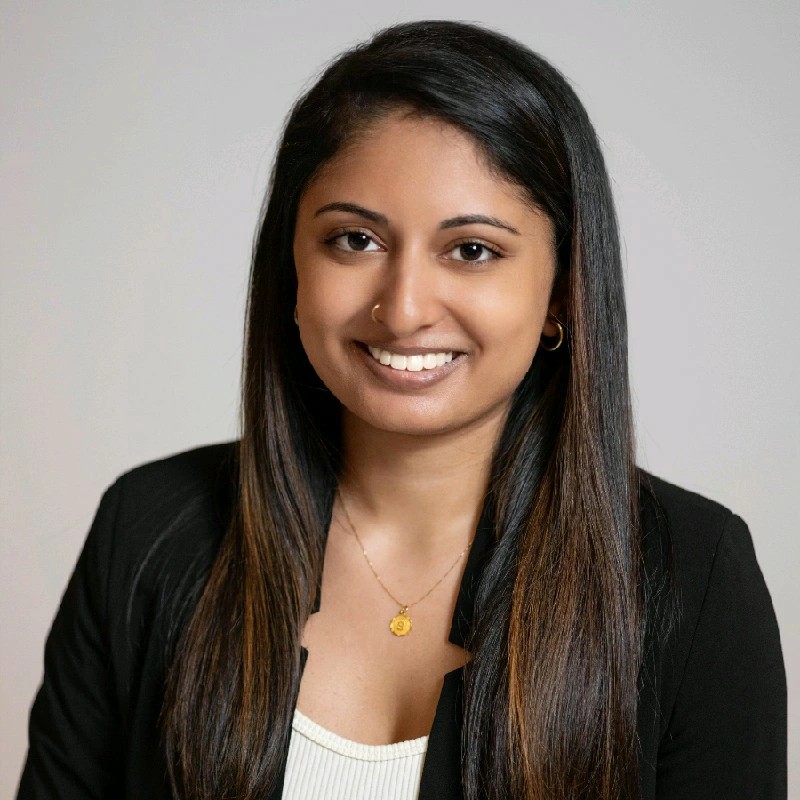
What do infection prevention in dialysis clinics and hurricane response in the Caribbean have in common? More than you might think. This episode explores how culture, leadership, and coordination shape health outcomes, whether in a treatment chair or a disaster zone. First, Shalini Nair, a senior analyst of infectious disease at ASTHO, breaks down the growing concern around dialysis-related infections and what CDC’s Making Dialysis Safer for Patients Coalition is doing to address it. She shares frontline-informed strategies that health departments and facilities can use right now: building a “see it, say it” culture of safety, using short, role-specific training and real-time coaching, and ensuring visible leadership support that reinforces infection prevention as everyone’s responsibility. Then, the focus shifts to disaster response with Maggie Nilz, senior analyst of preparedness at ASTHO, and a volunteer with Team Rubicon, a veteran-led humanitarian organization.






What do infection prevention in dialysis clinics and hurricane response in the Caribbean have in common? More than you might think. This episode explores how culture, leadership, and coordination shape health outcomes, whether in a treatment chair or a disaster zone. First, Shalini Nair, a senior analyst of infectious disease at ASTHO, breaks down the growing concern around dialysis-related infections and what CDC’s Making Dialysis Safer for Patients Coalition is doing to address it. She shares frontline-informed strategies that health departments and facilities can use right now: building a “see it, say it” culture of safety, using short, role-specific training and real-time coaching, and ensuring visible leadership support that reinforces infection prevention as everyone’s responsibility. Then, the focus shifts to disaster response with Maggie Nilz, senior analyst of preparedness at ASTHO, and a volunteer with Team Rubicon, a veteran-led humanitarian organization. Nilz reflects on her decade of deployments, from chainsaw operations in U.S. disaster zones to coordinating international health response in Jamaica after a devastating hurricane. She explains how public health leadership, inter-agency coordination, and pre-disaster data systems are critical when hospitals are damaged, infrastructure is down, and communities still need everyday healthcare.
Key Insights to Improve Infection Prevention in Dialysis Settings | ASTHO
Leading Change | ASTHO Workshop
Leading Humanitarian Aid Organization in the US | Team Rubicon
Leadership Power Hour: Your Launchpad for Impact | ASTHO

JOHN SHEEHAN:
This is Public Health Review Morning Edition for Wednesday, February 18, 2026. I'm John Sheehan, with news from the Association of State and Territorial Health Officials. Today, we'll hear about infection prevention in dialysis clinics and hurricane response in the Caribbean.
Our first guest, Shalini Nair, a senior analyst of infectious disease at ASTHO, breaks down the growing concern around dialysis-related infections and what the CDC's Making Dialysis Safer for Patients Coalition is doing to address it. Later, Maggie Nils, a senior analyst of preparedness at ASTHO, explains her involvement with Team Rubicon, a veteran-led humanitarian organization. Nilz reflects on her decade of deployments, from chainsaw operations in U.S. disaster zones to coordinating international health response in Jamaica after a devastating hurricane.
But let's start with Shalini Nair. We wanted to know more about dialysis-related infections and prevention efforts.
SHALINI NAIR:
So when we think about dialysis-related infections, we're referring to infections that occur as a result of lapses in infection control when it comes to the delivery of dialysis via ports and other equipment. So, staph infection control is very important when it comes to protecting patients from potentially life-threatening infections like these.
SHEEHAN:
Gotcha, and it's become such a problem that the CDC set up this, this coalition to sort of address, address the issue, taking feedback from all kinds of participants. What was one of the most actionable infection prevention takeaways?
NAIR:
Yeah, so a standout takeaway that we heard from our participants was that fostering a culture of safety that's focused around a 'see it, say it' approach, where staff and patients are all encouraged to speak up about infection risks in real time. This approach really strengthens shared accountability. It supports earlier risk identification, and it also just helps normalize infection prevention as something that's everybody's responsibility, which makes it a powerful lever for having that sustained improvement. And health departments can help reinforce that through things like technical assistance or just recognizing facilities that do this.
SHEEHAN:
Well, another piece of feedback was staff training. Were there techniques or trainings specifically that were more effective?
NAIR:
Yeah, so our frontline staff emphasized that short, interactive, and role-specific training formats, so things like simulation trainings or really just taking advantage of real-time teaching moments are most effective, especially in busy dialysis environments. Staff also said that they really value feedback that's constructive, non-punitive, and non-disruptive to patient care, so delivering it through approaches like audits, huddles, or unscheduled observation visits that focus more on reinforcing positive practices, rather than punishing mistakes.
SHEEHAN:
And the third big takeaway was leadership support. What does that refer to?
NAIR:
Exactly, yeah, so when we're talking about leadership support. We're talking about leaders who are present and involved in creating that culture of safety and health departments can help support facility leadership in doing that by sharing best practices, offering leadership focused training resources and promoting accountability frameworks that prioritize infection prevention, so providing guidance on allocating time and resources for staff education, recognizing frontline contributions and training managers, especially on repeated lapses in infection control, can help cultivate leaders that model safe practices and help sustain that culture of safety.
SHEEHAN:
And so for health departments that aren't part of this coalition or aren't part of the CDC group, how can they take steps to either joining it or learning more?
NAIR:
We would recommend that they check out the CDC's website for the Making Dialysis Safer for Patients Coalition, and there's more information there on how to join, but the coalition overall offers health departments a really collaborative platform where they can access evidence-based tools, training resources, as well as engage in peer learning opportunities that are focused on dialysis safety. It allows them to stay current on infection prevention strategies, learn directly from frontline experiences, and also strengthen the health department partnerships with dialysis facilities. So overall, joining the MDS coalition supports a more informed and impactful action to improve patient safety.
SHEEHAN:
Shalini Nair is a senior analyst of infectious disease at ASTHO.
Now let's hear from Maggie Nilz, a senior analyst of preparedness at ASTHO and a member of Team Rubicon, a veteran-led humanitarian organization.
MAGGIE NILZ:
Team Rubicon is a veteran-led humanitarian response organization that responds to disasters, leveraging the skills of military veterans and civilian volunteers. They actually started after the 2010 Haiti earthquake with a group, a very small group of six that deployed over there, including veterans, paramedics, EMTs, and physicians to provide care to the people of Haiti, and these days, they focus on everything from immediate response, things like debris removal, emergency logistics, chainsaw operations, home repairs to long term recovery, including things like long term sustainable home repairs and rebuilding of homes and communities, and this includes, actually, international deployments as well. Team Rubicon has a World Health Organization-certified emergency medical team that'll deploy to public health emergencies.
SHEEHAN:
It's amazing. It's such a heartening story of an organization of groups, of veterans just saying, like, we know how to do this stuff, let's just get out there and do it.
NILZ:
Yeah, absolutely. I think the flexibility and the capacity of veteran and first responder volunteers to come together and move quickly and efficiently has been an incredible asset to the organization.
SHEEHAN:
And so, tell us a little bit about your experience with it. How long have you been part of Team Rubicon?
NILZ:
Yeah, so I started volunteering with Team Rubicon about 10 years ago. I was right out of college. I had been working as an EMT in rural upstate New York for all four years of my undergrad, and really found myself missing the first responder life, camaraderie, and community. And a friend pointed me towards Team Rubicon, and my first deployment was to a very, very small town responding to a tornado in rural Missouri, and I just, you know, immediately, was was sucked in by the partnership and community within this group and the ability to use the skills I had to give back. And over my time, I've served in a lot of different capacities. I've worked as a chainsaw operator and a chainsaw instructor as well. I now help support the chainsaw instructor 'Train the Trainer' curriculum for the organization, and then I've supported through command staff roles, and even did some epidemiology and public health work through their COVID response efforts as well.
SHEEHAN:
And Maggie, most recently, you were sent to help out in Jamaica in the wake of Hurricane Melissa?
NILZ:
Yes, yeah. So, I was down there the first week or so of December, and for them, I was serving as a liaison officer, which is a little bit of a newer role for me. Normally, I am out in the field running a chainsaw or teaching other people how to run a chainsaw, but my role in Jamaica was to focus on health and interagency coordination. So, I was embedded in meetings with the government of Jamaica, their Ministry of Health and Wellness, the Pan American Health Organization, and several U.N.-coordinating bodies to connect with and partner with other organizations in the health sheltering and logistics sectors. And my job was to help ensure that Team Rubicon's operational work, and specifically their emergency medical team, was aligned with jurisdictional priorities, so making sure that our team that was there with a field hospital was coordinated with the larger Ministry of Health and their goals and objectives, and doing a lot of work like making sure that they had the right resources that they needed, ensuring that our physicians and nurses coming into the country had the right licensure and approval to come in that we were able to bring in pharmaceuticals so that that field hospital could do the work that it needed to do, so all of the connecting and contacting and conversations that happen to make sure that teams in the field can be as effective as possible.
SHEEHAN:
My gosh, yeah, you forget that, you know, even though an area is devastated, like parts of Jamaica were, the response effort, especially when that size has to be really strictly managed.
NILZ:
Yeah, absolutely. And I think especially in a case like this, where it was the strongest hurricane that the island has seen, and we're looking at, I think nearly every hospital, except for one, had significant or devastating damage to it. And in addition to, you know, injuries and health and wellness issues that people have post-disaster, you know, these field hospitals are also dealing with day-to-day continuity of care. You know, people still have kids and deal with diabetes, and, you know, all of the other things that we deal with in day-to-day life that require health care, and so that coordination piece is so key to making sure that all these volunteers coming in are working together and working with the government for what they need.
SHEEHAN:
Wow, what other kinds of needs did you see in Jamaica? What were some of the big rebuilding efforts?
NILZ:
You know, I think a lot was focused on, while I was there, getting, you know, key critical infrastructure pieces up so that people could start to focus on their home life as well. So things like, you know, making sure that hospitals are up and back online, so that people can get day to day care, getting schools back up on online. You know, families with children are having to stay at home to provide child care if the schools aren't open. And so if we can get the schools open, then, you know, parents and older parts of the family unit can focus more on rebuilding their home or going back to work and kind of getting the economy back up on its feet. There was still a lot of work being done in terms of like route clearance and road clearance, especially in the the more mountainous regions on the inner, inner parts of the island, getting into some of those towns was still really challenging. You know, I think the recovery efforts have come a long way since I was there. Yeah, well, I was there. We're still focused a lot on critical infrastructure.
SHEEHAN:
Of course, that was December. That was right after it happened.
NILZ:
Yep.
SHEEHAN:
So Maggie, you are a senior analyst for preparedness here at ASTHO. How have your experiences doing this kind of volunteer response work, how has that impacted, or influenced, or colored your thinking about your job?
NILZ:
Yeah, I think for me, continuing to take the opportunities to deploy to the field immediately post-disaster really helps continue to ground my understanding in the continuing, evolving needs of communities post-disaster and jurisdictions post-disaster. You know, this deployment in particular, really reinforced how essential public health leadership and coordination are during disasters. And you know, from my asset side, my experience working with health departments, surveillance systems and emergency preparedness frameworks really translated well into the field. I was able to go into some of these coordination rooms and have informed conversations about how to navigate the needs of the health sector and how to support long-term health care delivery beyond like, let's just get physicians into the country phase, and then at the same time, I think being embedded in the response really highlighted some of The real world challenges that jurisdictions face after disasters, things like, how do you make decisions with limited data? How do you handle you know, not only increased healthcare needs, but infrastructure damage, workforce strains rapidly evolving needs and and for me, that field perspective directly informs my work at astho, and helps me ensure that our support to states and territories is practical and flexible and grounded in the response realities.
SHEEHAN:
And you've got this firsthand experience of being in emergency zones, and you know, places that have just experienced disasters, and so you do have that experience of this is what you need to be prepared for in certain situations. And of course, you can bring that experience and that knowledge to jurisdictions who maybe haven't thought through everything that might actually happen.
NILZ:
Yeah, absolutely. And I think, you know, one of the things in particular for me, as a, you know, I have a little bit of an epidemiology background as well, that, you know, so was highlighted is this importance of data and data infrastructure being set up in the preparedness side, as opposed to trying to set it up mid-disaster. I think it's, you know, we, all of us, use numbers now to make decisions, and when you don't have them, it can be really challenging. And so that, for me, was such a key takeaway, was thinking about how do we work with jurisdictions to make sure that they have the information they need before the disaster hits, so that way, when it does, that information flow is still there?
SHEEHAN:
Has your work with ASTHO influenced your work with Team Rubicon?
NILZ:
Yeah, absolutely. I mean, I think in thinking about the work that I do at astho in terms of supporting jurisdictions in their own preparedness frameworks, understanding their surveillance needs, the things that they think about in terms of surge capacity, especially in this deployment, really supported my ability to go into some of these rooms and have these conversations, and think about the ways in which, you know, an organization like Team Rubicon, that is a volunteer based organization, can support surge capacity, can support data collection, because I've had some of those conversations with jurisdictions before about, you know, through astho, about how they're using volunteer organizations and NGOs to support those needs.
SHEEHAN:
And so you've been with the organization for 10 years now. Are you planning any more deployments? I suppose it probably depends on the state of the world.
NILZ:
Yeah, I think, in my experience, the disaster cycle has changed a little bit. We used to have really specific seasons, and I think we're sort of in this constantly evolving train of natural disasters now. So while it does depend on, you know, what strikes and what the needs are, I do plan to continue to stay supporting Team Rubicon. I think it's been a really unique opportunity for me to connect, you know, so many different aspects of my passions and work. And really, you know, over the years, volunteering has allowed me to connect public health with disaster response and even bring in some new skills like running chainsaws. And it just really continues to strengthen my skill set and my perspective. And I always appreciate the opportunity to give back to these communities.
SHEEHAN:
Maggie Nilz is a senior analyst of preparedness at ASTHO and a member of Team Rubicon, a veteran-led humanitarian organization. Earlier we heard from Shalini Nair, a senior analyst of infectious disease at ASTHO.
A new Essentials of Leadership and Management series titled, 'Leadership Power Hour: Your Launchpad for Impact, equips public health leaders with strategic insights and tools needed to lead with confidence and drive meaningful change over the course of five sessions. These insightful one-hour programs explore key leadership competencies essential for driving organizational success. The Leadership Power Hour prepares supervisors and managers to become more effective in their roles within governmental public health agencies. The Power Hours are designed to improve professional skills as a leader and include live, facilitated online training opportunities to collaborate with peers and access to in-depth, self-paced learning. For more details or to register, check out the link in the show notes.
Leading Change is a new ASTHO workshop designed for professionals in clinical and non-clinical public health roles. The workshop equips participants with strategies and skills to navigate change and uncertainty as individuals, team members, and organization-wide leaders, emphasizing actionable instruction and resources, it enables leaders to create and implement real-world initiatives in their agencies. For 2026 and beyond, participants will gain tools to design targeted initiatives and foster tangible organizational change. This experience prepares them to drive meaningful impact in their workplaces. Find more at the link in the show notes.
This has been Public Health Review Morning Edition. I'm John Sheehan for the Association of State and Territorial Health Officials.