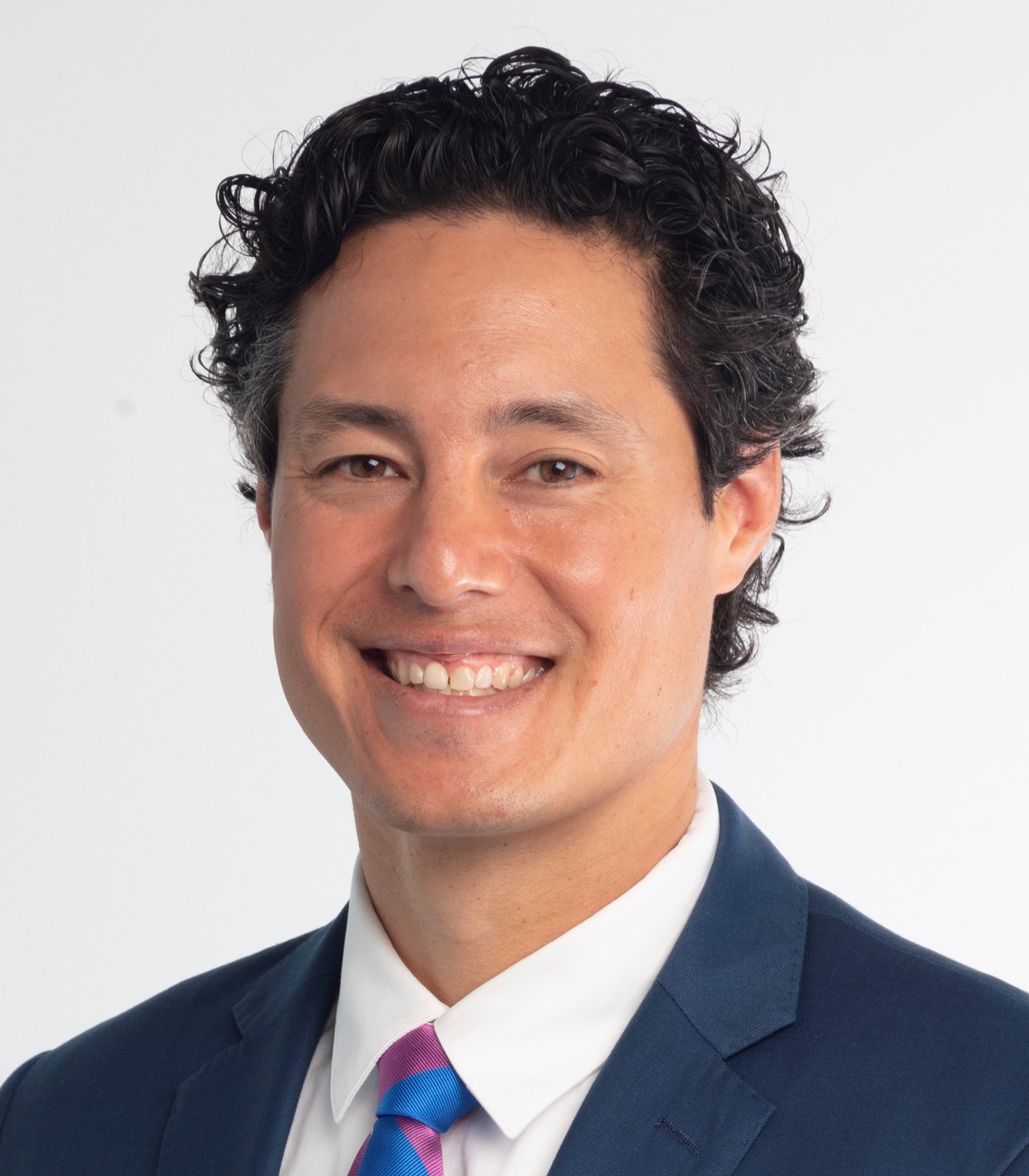
Fatal overdoses are rising among adults 45 and older and stigma often keeps this age group out of the conversation. In this episode, Dr. Philip Chan, consultant medical director at the Rhode Island Department of Health and a practicing primary care physician, discusses Rhode Island’s 'No Matter Why You Use' campaign.






Fatal overdoses are rising among adults 45 and older and stigma often keeps this age group out of the conversation. In this episode, Dr. Philip Chan, consultant medical director at the Rhode Island Department of Health and a practicing primary care physician, discusses Rhode Island’s No Matter Why You Use campaign. Dr. Chan explains why middle-aged and older adults face elevated overdose risk, how isolation, medical prescribing, and a contaminated drug supply intersect, and why personal storytelling is key to reducing stigma about accessing care. The conversation also highlights Rhode Island’s overdose prevention strategies—from widespread naloxone access to community partnerships—and shares lessons other states can apply to save lives and start conversations sooner.
Rhode Island's 'No Matter Why You Use' Campaign | Rhode Island Department of Health

JOHN SHEEHAN:
This is Public Health Review Morning Edition for Monday, February 2, 2026. I'm John Sheehan for the Association of State and Territorial Health Officials.
Today, a response to fatal overdoses that are rising among adults 45 and older. We talk with Dr. Philip Chan, consultant medical director at the Rhode Island Department of Health and a practicing primary care physician. Dr. Chan will discuss Rhode Island's 'No Matter Why You Use' campaign and explain how middle-aged and older adults face elevated overdose risk, how isolation, medical prescribing, and a contaminated drug supply intersect, and why personal storytelling is key to reducing the stigma that surrounds accessing the care a person needs.
Dr. Chan, this campaign, Rhode Island's campaign, of 'No Matter Why You Use,' focuses on substance use by adults 45 and older...why?
PHILIP CHAN:
It's a great question. You know, we collect, similar to all other states, we watch our opioid surveillance data very closely in the State of Rhode Island, and we've noticed an increasing rate of fatal overdoses, specifically middle-aged adults, adults 45 and older. And it's quite striking, really, and it's really prompted us to consider what we can do more for this age group.
SHEEHAN:
Is there any context of those numbers? Has it risen as a result of the pandemic?
CHAN:
You know, I think it's risen for a lot of reasons. You know, I think during the pandemic, as you're alluding to, you know, a major complication of the pandemic was isolation in general, for, frankly, all of us, but certainly as you get older, as most people know, you know, older folks are more at risk of being isolated, and certainly folks in middle age are more at risk, and I think that that's played partly into it. And with isolation and with some of the other just general comorbidities, other medical conditions that people have, people middle-aged and older are often more at risk, frankly, of dying from opioids and other drugs in general.
SHEEHAN:
So, tell us more about the goals of the campaign and how you developed it.
CHAN:
So, this past year, the Rhode Island Department of Health released this campaign called 'No Matter Why You Use,' and the campaign was based on some focus groups. It was based on some input from the community, and the, the consensus of the campaign is, you know, no matter why you start to use, in this case, opioids, you know, you want to think about these issues. You want to think about overdose prevention. Sometimes it's intentional. Some, a lot of times, it's unintentional. But you know, no matter why, the reason you started is that you were feeling sad and isolated and alone. Is it because you're in pain? You know, it's because, you know, just you tried it once at a party? [With] 'No Matter Why You Use,' we wanted to draw awareness to the fact that this group was at elevated risk of dying from an opioid overdose, and we're seeing it in the numbers, and we wanted to do more to raise awareness and also access to the resources that we have in this state.
SHEEHAN:
Dr. Chan, you're a primary care physician. You're practicing, did the responses you heard in these focus groups, did that match up with what you were seeing in practice?
CHAN:
It does. You know, I see, feel like I spend half my time in primary care, talking about mental health, talking about things like depression, checking in with people. And you know, as we all know, life is full of ups and downs. People, you know, a lot of good times in life, but some bad times for sure, and everyone deals with and handles those situations differently, and there's a fraction of people that do turn to substances for one reason or the other.
SHEEHAN:
I know the campaign makes a big central focus of personal storytelling, and using these kinds of stories to drive home that message. Is that right?
CHAN:
Exactly. And I think that that's one of the key things that the campaign is really trying to address. It's uncomfortable to talk about for a lot of people. It's uncomfortable to say, you know, hey, doc, or hey, anyone you know, I may have a problem, right? I may be addicted, because the first step in addressing all this is to be aware, and just to start the conversation, and to start talking about it, and really just to find someone that you can start talking about it, hopefully a health care professional. I'd encourage people listening to talk to their primary care provider, but just talk to someone in the field, just to start that conversation, and acknowledge it, and talk about potential treatment options.
SHEEHAN:
Yeah, it sounds like like the goal is to sort of get that conversation going, you know, before even talking about next steps, tell us more about the partnership and collaboration that went into creating the campaign.
CHAN:
You know, one thing, you know, we've worked, we're working towards here in Rhode Island with this campaign, is really also broad-based collaborations across our state. So, public health department, obviously, our Department of Behavioral Health, our Executive Office of Health and Human Services, as well as our community partners. And that's been one thing that I've been really proud of our state, is that we have really significant community involvement in our efforts to address the opioid epidemic. And you know, I feel like we partner with these folks, we listen to them, we work with them. It really has been a team effort, you know, and we're working to engage as well our primary care community.
SHEEHAN:
And lastly, Dr. Chan, could you discuss, or could you, could you expand on some sort of lessons learned by Rhode Island that might be helpful for other states?
CHAN:
So, great question. So, as I mentioned, you know, Rhode Island has, has been a leader in this regard, and I've been proud to be part of our response. The first is, is that it's really, it really is a team-based effort, you know, from my perspective, and in the health department, you know, the health department, most health departments don't offer direct services. So, to, you know, to really engage folks that may be at risk, to provide services, we have to partner with the community. We have to partner with clinics. We have to partner with behavioral health clinics and primary care clinics, emergency rooms, et cetera. And I've been proud of our response here, and I would really encourage many other states, you know, as you think about this, to really get feedback, input from the community, to engage the community, to work with the community to address these issues. We've really tried to make naloxone available to, to really everyone. We've had additional campaigns and messaging that everyone should have access to naloxone, and certainly in hot spots where, where opioid overdoses are known to occur, and we really freely distribute naloxone across the state. We have vending machines through our health department, which have been very successful. People can access these vending machines in hot-spot areas 24/7. There's been a lot of great uptake there. I've been proud to be part of these efforts. You know, we have a very strong Governor's Overdose Task Force which has brought together all these stakeholders, led by a fantastic person, Kathy Schultz. We have an opioid settlement committee, advisory committee which is making use of our opioid settlement funds, which were obtained with our attorney general's office, and that's been exciting to provide some additional resources to these efforts as well. So, I think the will and the intent is there in our state. I think it's been nice to work, including with our state legislature, with our governors. Really, the will is here to do what we can to get a handle on this and it's had, and if I can also say ,it's also had a pretty significant effect. So I think, as a lot of folks may know, I mean, we've seen, you know, over 100,000 fatal overdoses a year in this country. It has decreased for the latest years that we have. It's decreased a few percent, but here in Rhode Island, we've actually seen an almost 25% reduction in fatal overdoses over the last couple years due to these efforts. So, we are ahead of the curve, which I'm proud of, and I do think it's a combination of all these efforts, including these communication campaigns and messaging campaigns that we, we've talked about today.
SHEEHAN:
Dr. Philip Chan is consultant medical director at the Rhode Island Department of Health and a practicing primary care physician.
National overdose trends indicate the need for a comprehensive public health approach that encompasses primary prevention of substance use, overdose, and mortality prevention, monitoring and surveillance, and access to treatment and recovery services. ASTHO provides capacity building and technical assistance for state and territorial health agencies in these areas to build strong public health leadership for substance use prevention and surveillance, establish effective multidisciplinary partnerships, and support the implementation of policies that are informed by evidence. Find more at the link in the show notes.
This has been Public Health Review Morning Edition. I'm John Sheehan for the Association of State and Territorial Health Officials.