What does it take for states to expand access to substance use disorder treatment and build stronger, more sustainable partnerships between Medicaid and public health? In Massachusetts, leaders changed policies around provider models to increase access to care for opioid use disorder: Frances McGaffey, manager of the Substance Use Prevention and Treatment Initiative at The Pew Charitable Trusts, explains how pairing providers with dedicated nursing support has helped remove barriers to prescribing buprenorphine, expand the addiction workforce, and dramatically increase access to care. Then, Cory Caldwell, senior policy analyst at the National Association of Medicaid Directors, discusses the new 'Medicaid Leaders Playbook for Building Public Health Partnerships,' developed in collaboration with ASTHO.


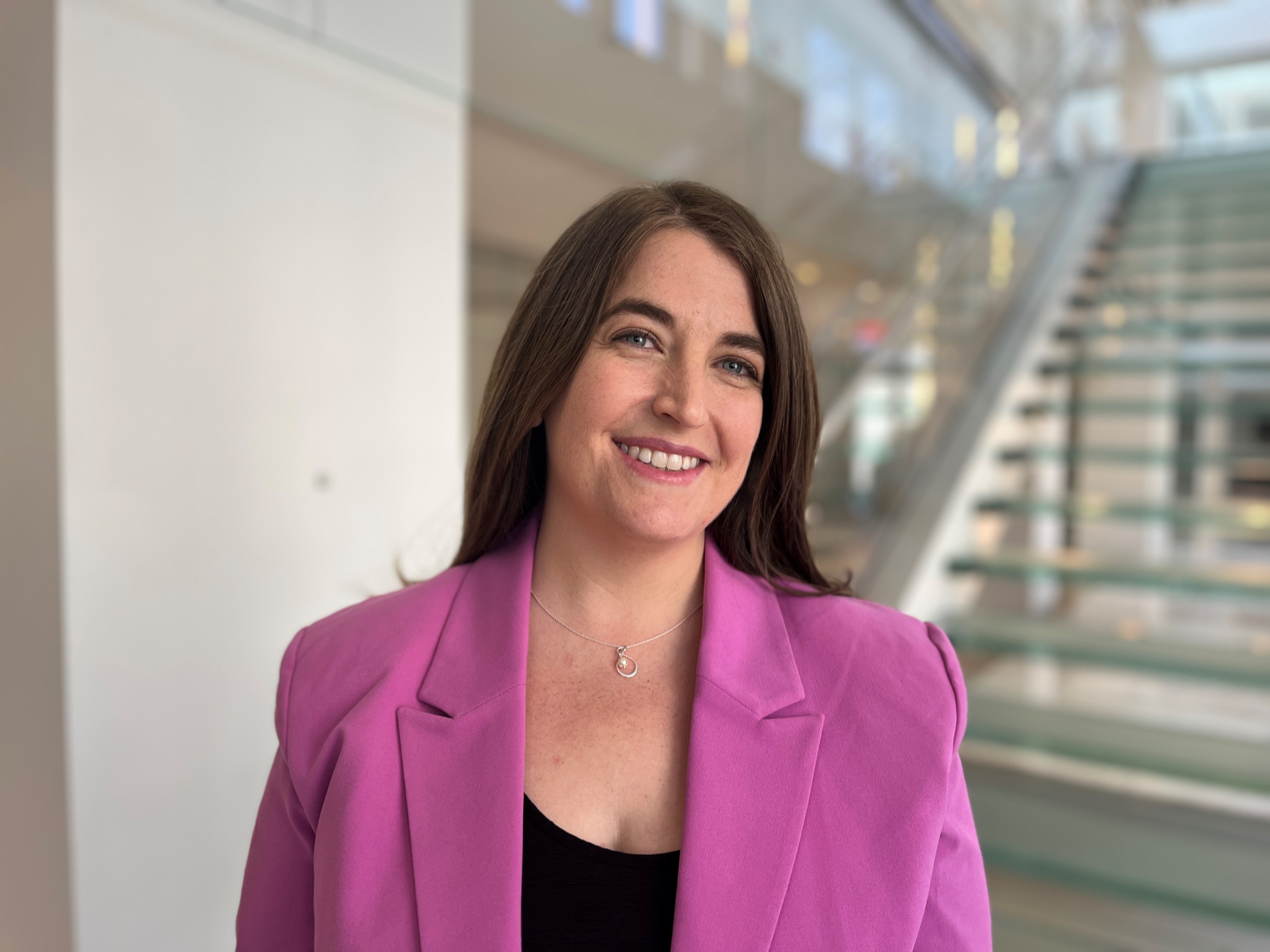
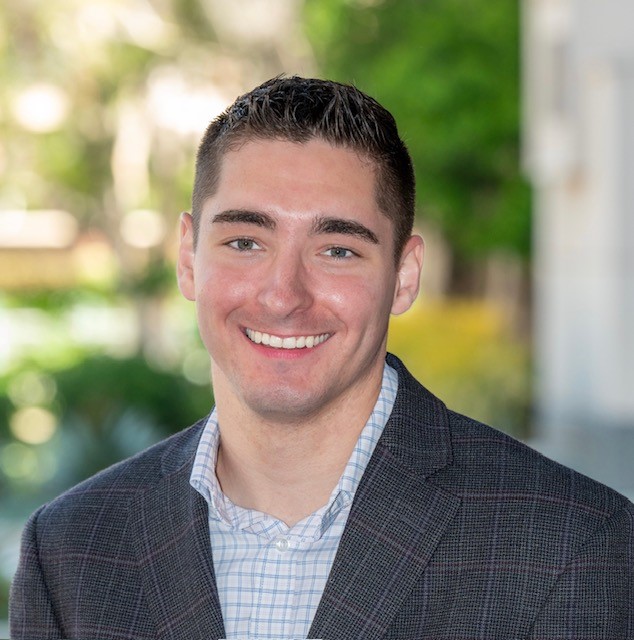
What does it take for states to expand access to substance use disorder treatment and build stronger, more sustainable partnerships between Medicaid and public health? In Massachusetts, leaders changed policies around provider models to increase access to care for opioid use disorder: Frances McGaffey, manager of the Substance Use Prevention and Treatment Initiative at The Pew Charitable Trusts, explains how pairing providers with dedicated nursing support has helped remove barriers to prescribing buprenorphine, expand the addiction workforce, and dramatically increase access to care. She also shares why the state’s decision to extend this model to alcohol and stimulant use disorders is a critical response to a changing overdose crisis, and what other states can do to replicate this success. Then, Cory Caldwell, senior policy analyst at the National Association of Medicaid Directors, discusses the new Medicaid Leaders Playbook for Building Public Health Partnerships, developed in collaboration with ASTHO. Cory outlines practical, real-world steps Medicaid and public health agencies can take to align priorities, address funding and workforce challenges, launch small but impactful pilot projects, and build trust across systems.
Understanding Current U.S. Measles Outbreaks and Elimination Status | ASTHO
Medicaid Leaders Playbook for Building Public Health Partnerships | NAMD
Substance Use Prevention and Treatment Initiative | The Pew Charitable Trusts

JOHN SHEEHAN:
This is Public Health Review Morning Edition for Thursday, January 29, 2026. I'm John Sheehan for the Association of State and Territorial Health Officials.
Today: how Massachusetts is expanding access to substance use disorder treatment and building stronger, more sustainable partnerships between Medicaid and public health. Our guest is Frances McGaffey, manager of the substance use prevention and treatment initiative at the Pew Charitable Trusts. She'll explain how policies and practices that incentivize office-based addiction treatment, or OBAT, like Massachusetts, shift to pairing providers with dedicated nursing support have helped remove barriers to prescribing buprenorphine, expanded the addiction workforce, and dramatically increased access to care. Later on, Cory Caldwell, senior policy analyst at the National Association of Medicaid Directors, will discuss the new "Medicaid Leaders Playbook for Building Public Health Partnerships," which was developed in collaboration with ASTHO. He'll outline practical, real-world steps Medicaid and public health agencies can take to align priorities, address funding and workforce challenges, and launch small, but impactful pilot projects. But first, here's Frances McGaffey explaining how Massachusetts initiated new incentives to integrate opioid use disorder treatment with primary care using the nurse care manager model.
FRANCES MCGAFFEY:
The nurse care manager model for OUD treatment, or opioid use disorder treatment, enables providers like doctors and nurse practitioners to serve more patients by giving them the resources of a dedicated nursing staff who can monitor patients and coordinate their care while they're receiving buprenorphine.
SHEEHAN:
And the state's been very successful, just by one metric, in 2023, 79% of Massachusetts Medicaid enrollees with OUD received medication, which is higher than the national median. Why do you think that this model is so successful?
MCGAFFEY:
So, the model addresses a lot of the barriers to prescribing buprenorphine that providers have been talking about for a long time, the lack of time to address complex needs, the lack of nursing support and care coordination to help patients with opioid use disorder stay retained in care and achieve their goals. So by giving that support in Massachusetts, they went from just a handful of providers offering this care to now over 40 providers over the state. The increase in access made it possible for more people to get the care that they need.
SHEEHAN:
And what other kinds of care of treatments, what else is being rolled into this model?
MCGAFFEY:
Yes, so the model originally started to treat people with opioid use disorder, and in 2022, eligibility was expanded to people with alcohol and stimulant use disorders. Alcohol use disorder can also be treated with medication in a primary care setting, and there's even some off-label medications that can be used for stimulant use disorder. So, by allowing people with these conditions to get the care that they need, Massachusetts is able to address the changing needs of the overdose crisis.
SHEEHAN:
And I know other states are already sort of looking to Massachusetts as first in class in this, this kind of care. What can other states do that want to replicate your success?
MCGAFFEY:
The biggest takeaway from what Massachusetts did is that they drew on a workforce that already opted into providing addiction care. If you think 20 years ago in Massachusetts and in other states, primary care providers didn't really see a role for themselves in treating substance use disorders, but now, through the nurse care manager model in Massachusetts, a lot of providers already said, I get it. There is something I can do about opioid use disorder. And so in Massachusetts said you can also provide these services to people with alcohol and stimulant use disorders, they stepped up to the plate as long as they had the training and support that they needed. They were willing to do that. And other states that have also developed an addiction workforce through their efforts to increase buprenorphine can do that same thing.
SHEEHAN:
So, it sounds like sort of an expansion of workforce definitions of how primary care providers think of themselves now, sort of taking this, this extra level of care and treatment that wasn't once part of their world, and taking it on.
MCGAFFEY:
That's right. And what we have seen is that in Massachusetts and across the country, a lot of primary care providers have now recognized that they cancer people with opioid use disorder, and as long as they have the training and technical assistance, you know, the education they maybe didn't get in med school, they'll take on other suds as well, as long as it's also paired with reimbursement. It, that pays for them to deliver those services.
SHEEHAN:
And you touched on this a bit. But do you have advice for other policymakers who are looking to start this in their state?
MCGAFFEY:
The first thing is to start with what you have. There's other ways of providing office-based opioid treatment, and those services can be leveraged to treat other SUDs, and in states that haven't really incentivized that approach, they should start, we know that if you provide adequate reimbursement and training and technical assistance, you can really expand your addiction workforce and get more people the care that they need.
SHEEHAN:
So again, it's really about making it a priority, and expanding definitions of what, of where that treatment can happen, and building skills for this workforce.
MCGAFFEY:
That's right. So many times people think that addiction medicine, addiction treatment, only happens in a 30- or 90-day residential setting, and of course, that's an important part of the treatment ecosystem, but it's not the only way to deliver care, and so we need to have other options that maybe fit into people's lives better or provide that continuing care after they leave those settings.
SHEEHAN:
And Francis, so do you have any final thoughts on this program? It's been so successful.
MCGAFFEY:
What this program shows is the need to think bigger than opioid use disorder. So, much of our policy, state and federal, has been focused on opioid use disorder inappropriately, because we had and still are in an opioid overdose crisis. But that crisis is changing. More overdose deaths involve stimulants than ever before, and alcohol is a leading driver of substance use-related deaths. So states like Massachusetts are showing that it's possible to address these other SUDs and really meet the needs of residents.
SHEEHAN:
Frances McGaffey is manager of the substance use prevention and treatment initiative at the Pew Charitable Trusts.
Now, let's hear from Cory Caldwell, senior policy analyst at the National Association of Medicaid Directors. I asked him about the new 'Medicaid Leaders Playbook for Building Public Health Partnerships,' which was developed in collaboration with ASTHO.
CORY CALDWELL:
At its core, the playbook is really designed to be practical and hands-on. It draws directly from the experiences of leaders in both the Medicaid and public health space, with a focus on what actually works in states. And the goal really was designed to give Medicaid leaders clear and actionable strategies for collaborating with public health partners, not just in theory and in kind of complex guides, but in day-to-day practice and operation, and operations, and the playbook walks through concrete steps for aligning priorities, navigating structural and cultural differences between agencies. And really is designed to support and improve the kind of work between the two agencies. And it really does provide kind of a roadmap to support that higher level collaboration that I know in AMD and ASTHO has been working together on.
SHEEHAN:
And so, Medicaid and public health are different systems. They share goals, but they're very different. What are some steps that agencies can take to sort of build those partnerships?
CALDWELL:
Well, that's a really great question, and I will note that it's something here at MAMD we've been thinking a lot about over the past year, and one key theme that came through as we were developing this playbook is that the best place to start is often with relationships built on understanding. So it sounds very, very simple, but even though Medicaid and public health serve a lot of the same populations, they often work under different mandates, funding structures, and even timelines. And because of this, collaboration doesn't always happen automatically for Medicaid leaders. It starts with getting a clear picture of statewide public health priorities, so thinking through things like maternal health, chronic disease prevention, or even behavioral health initiatives, and then finding those areas where Medicaid and public health overlap. And from there, it's all about starting conversations with shared goals in mind, and the playbook really does encourage leaders to take it step by step. It's about starting small and being very intentional. Picking one or two common issues or populations to focus on can really help build that trust between the two agencies to achieve some pilot projects or even joint planning. And even simple steps like attending each other's meetings, sharing program updates, or lining around existing initiatives, and go a long way in creating a strong foundation. And really, the key here is just transparency mutual benefit, and celebrating those early wins that build confidence for bigger collaboration down the road.
SHEEHAN:
And since certainly COVID, but also in recent years, the public health system has faced a lot of funding uncertainties, no surprises there. What can, what can Medicaid do to sort of help shore up those funding gaps?
CALDWELL:
Well, that's a really important question, especially right now, and historically, Medicaid and public health have played different but very complementary roles with each other. Public health funding is often grant-based, which makes it great for piloting new ideas and testing what works Medicaid, by contrast, is jointly funded by the state governments and the federal government, so it's in a much better position to scale things up and keep them going over time, especially in public health, funding can be unpredictable at the same time, I think it's very important to be realistic about what states are dealing with. Both Medicaid agencies and public health departments are under real budget pressure right now, with slowing state revenues and the end of covid era emergency funding, Medicaid also has very specific federal rules about what it can pay for its dollars have to be tied to defined services and eligible populations, so it's not able to fully replace broad public health funding, but with that, with that being said, and within those limits, Medicaid can still play a meaningful role, one key opportunity is reimbursing for services that public health departments or agencies are already delivering. Think about things like community based supports or preventative services, moving those activities from short term grants into Medicaid reimbursement can make that that work more stable and even more sustainable. Medicaid can can also support public health and less direct but still important ways. An example can include states better aligning Medicaid incentives and quality measures with public health goals. They can also invest in shared data systems that support both program oversight and public health monitoring. So I think just the main point to your question here is, while Medicaid can't fill every gap left by the end of the COVID-19 emergency funding, it can help sustain critical services, reinforce core infrastructure and make sure public health efforts continue to reach the people who depend most on both systems.
SHEEHAN:
Along those lines, another challenge facing the public health system is, is workforce shortages. Are there opportunities there for Medicaid to help with workforce?
CALDWELL:
Certainly, and this is a really important issue for states right now, workforce shortages are one of the biggest challenges facing both Medicaid and public health, and you can really see the effects almost everywhere, providers are stretched thin. Public health teams are understaffed, and communities can often struggle to get the care and the services that they need. And one of the big takeaways from the playbook is that states can make real progress when Medicaid and public health are intentional about working together and really play to their respective state respective strengths. Across states, we've seen some promising approaches emerge, and one that comes up a lot is expanding the use of non traditional provider roles. So think through things like community health workers, doulas or peer support specialists and public health agencies are often well positioned to handle things like training and community outreach for these roles, while Medicaid can help by creating sustainable reimbursement pathways. When those pieces are aligned, states can start building long term workforce pipelines, rather than relying on short term grants or short term funding. Data sharing also plays an important role. Public health contributes population level data, and Medicaid brings claims and utilization information, and when states bring those data sources together, they get a much clearer picture of where workforce shortages are most acute and where investments or new care models can have the greatest impact. Lastly, we're also seeing states coordinate more closely on recruitment and training through shared internships, community-based pipelines or partnerships with local colleges. And these efforts are especially important for rural and underserved communities that, communities that often faced face the toughest staffing challenges.
SHEEHAN:
Another point in the playbook, and something you mentioned a couple times now, are how states could utilize small pilot projects. Could you give us some examples of what that means?
CALDWELL:
Absolutely, one of the things that playbook really emphasizes is starting small. Those focused pilot projects are often the most effective way for Medicaid and public health to begin working together. They give both sides room to test ideas, build trust and work through differences in things like funding timelines or even data systems, without the pressure of having to launch a huge kind of statewide initiative right out of the gate or right away, we've seen some really strong examples of this in practice, especially around the kind of programmatic areas of maternal health and managed care procurement. On the maternal health side, public health agencies often already have deep connections in the community through programs like home visiting programs or partnerships with local providers. Successful pilots build on that foundation, with Medicaid stepping in to support reimbursement and align managed care expectations so pregnant women get consistent outreach and support even fairly modest pilots focused on higher risk pregnancies have led to better engagement, stronger health education and smoother care coordination. It's a great example of how Medicaid financing and clinical structure can complement public health's community reach another area where pilots have made a real difference is managed care. In these cases, states test ways to better align preventative health priorities and managed care contracts with input from their public health colleagues that alignment helps ensure managed care. Organizations are focusing on prevention and population health in ways that support broader public health goals. Even small efforts here can lead to noticeable improvements in preventative service delivery and stronger connections between clinical care and in public health.
SHEEHAN:
And finally, Cory, what would one step be that an agency or an official could take to sort of strengthen their relationship with their Medicaid colleagues?
CALDWELL:
One of the most effective things public health leaders can do right now is actually very, very simple. It's just starting a conversation. Reaching out to Medicaid leadership to set up a short introductory meeting can go a long way in laying the groundwork for trust, which our playbook really highlights as essential for those long-term partnerships. In that first conversation, it can help to have a very clear and focused dialogue so public health leaders can share things like high-level snapshots of their current priorities, especially ones that have natural overlap with Medicaid goals. I want to note as well that Medicaid leaders are often managing a lot of regulatory and operational complexity, and they may not always have full visibility into the programs, partnerships, or even data that public health agencies can bring to the table. So even a quick overview can surface opportunities that neither side had really considered before. It's also useful to come in with a few concrete examples of where alignment already exist. So, pointing out areas where public health work is supporting Medicaid populations, whether that's through community-based supports, maternal and child health efforts, or population-level data, helps both sides see where collaboration could realistically start. And the big takeaway that I think both public health leaders and Medicaid leaders should kind of glean from our playbook as well as the podcast today, is that it doesn't have to be complicated to initiate partnership or even begin partnership. Sometimes a single well time conversation is enough to spark interest, build rapport, and really open the door to things like small pilot projects or more regular communication. It may sound like a modest first step, but it often turns into the beginning of a much stronger, more coordinated relationship between public health and Medicaid.
SHEEHAN:
Cory Caldwell is senior policy analyst at the National Association of Medicaid Directors. Earlier, we heard from Francis McGaffey, manager of substance use prevention and treatment initiative at the Pew Charitable Trusts.
Measles was declared eliminated in the U.S. more than 20 years ago, but that progress is now at risk. After the worst year for measles cases in decades, public health officials are reassessing what elimination really means, why outbreaks are growing, and what's at stake if we lose that status altogether. With most cases occurring among unvaccinated communities, and outbreak response costing 10s of 1000s of dollars per case, the message is clear: vaccination, trust, and strong public health systems matter. Learn what's driving today's measles outbreaks and what public health agencies are doing to stop them. Find a link in the show notes.
This has been Public Health Review Morning Edition. I'm John Sheehan for the Association of State and Territorial Health Officials.