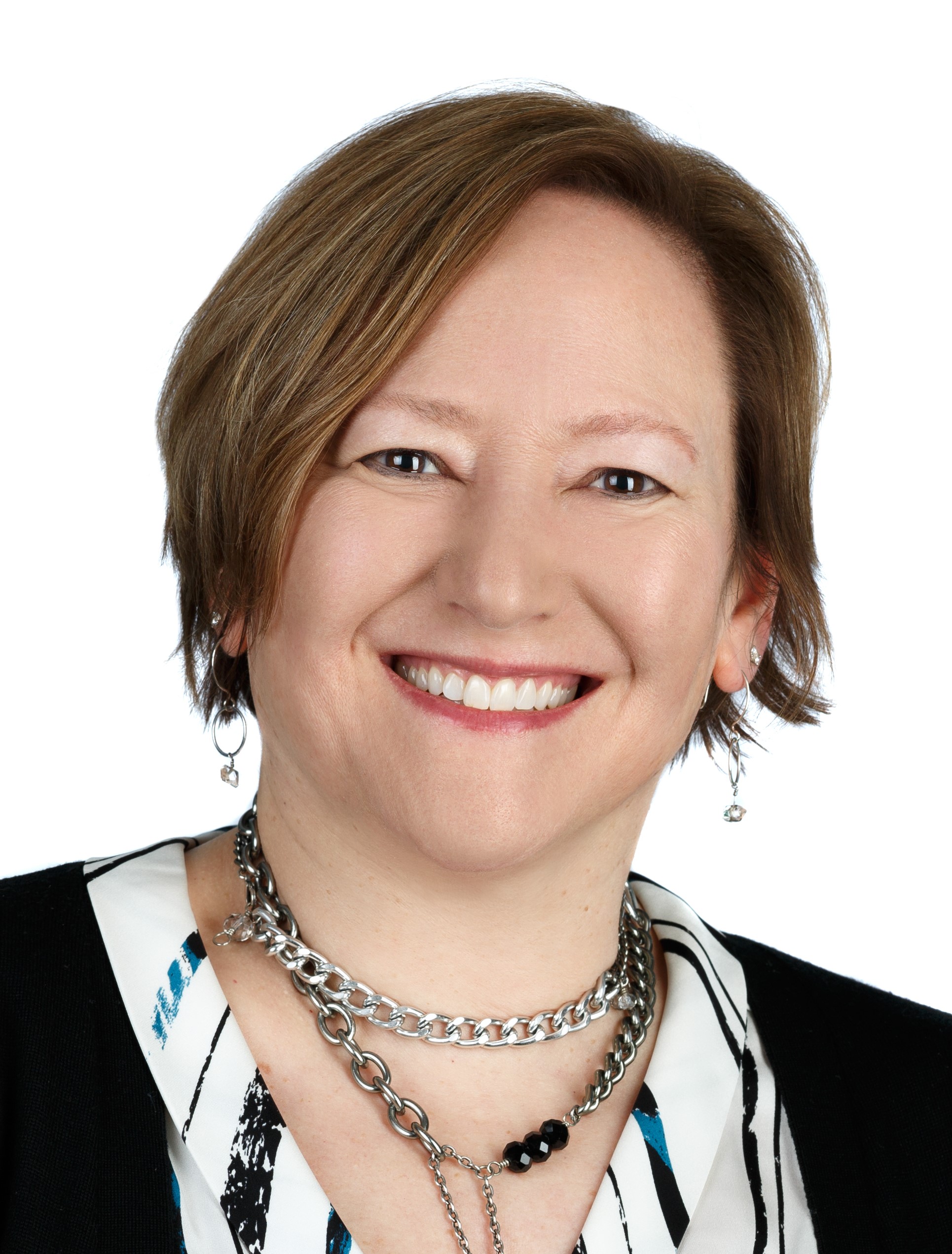
On today’s Best Of PHRME episode, Maria Courogen, executive director for the Center for Access to Whole Person Care at the Washington State Department of Health, explains how her state worked to enable the continued support of community health workers (CHWs) by developing a sustainable funding model; Dr. Heather Krasna, associate dean of career and professional development at Columbia University’s Mailman School of Public Health.


On today’s Best Of PHRME episode, Maria Courogen, executive director for the Center for Access to Whole Person Care at the Washington State Department of Health, explains how her state worked to enable the continued support of community health workers (CHWs) by developing a sustainable funding model; Dr. Heather Krasna, associate dean of career and professional development at Columbia University’s Mailman School of Public Health.
https://www.astho.org/4a9148/globalassets/pdf/bios/vermont-sho.pdf

JOHN SHEEHAN:
This is Public Health Review Morning Edition for Tuesday, November 25, 2025, from the Association of State and Territorial Health Officials. I'm John Sheehan. Today, another favorite episode from our archive as we continue making some updates to the show. Check back soon for details.
MARIA COUROGEN:
The results were really clear, as they often are. Community health workers really improve health outcomes.
JANSON SILVERS:
Community health workers, or CHWs, connect constituents with public health officials. In Washington State, they've worked to enable continued support of CHWs by developing a sustainable funding model. Maria Courogen is with the Washington State Department of Health and explains how they got the process started during the pandemic.
COUROGEN:
So, we took our COVID dollars and we scaled up this infrastructure to a statewide infrastructure so that we could engage community-based organizations and their community health workers to help us continue to support communities.
SILVERS:
Courogen says CHWs have had such a positive impact that the state legislature took action by requiring Medicaid to support community health workers as a part of the healthcare workforce, and as a result, the state was able to launch a pilot program expanding CHW services in pediatric primary care clinics.
COUROGEN:
Help to address unmet needs and help now, in that particular pilot, helped families navigate care. So, this pilot led to a formal Medicaid State Plan Amendment, also known as a SPA, defining community health worker roles in clinical teams, establishing training standards, and enabling reimbursement.
SILVERS:
She adds there are nuances to keep in mind when developing reimbursement models for CHWs.
COUROGEN:
Like a community-based community health worker can spend weeks, months, building relationships, and they don't often get compensated for all that time to build trust, then they deliver the person to the healthcare delivery system, if that's what they need, and then the community health workers inside the clinic get the reimbursement.
SILVERS:
As recent federal policy decisions start to go into effect, Courogen says the key will be to strengthen CHW infrastructure, not cut it down.
COUROGEN:
Frequently, people will talk about like, well, if we're going to lose money and have to make reductions, those are the first ones to go, and actually like, having some folks out there who are trusted by community and can keep community connected to their benefits is going to be really, really important.
SILVERS:
To learn more about the role community health workers play in health care and learn how your department can sustainably fund their work, you can visit ASTHO's CHW resource page. We'll have a link in the show notes.
HEATHER KRASNA
There are differences between governmental applications and the private sector, in most cases.
SILVERS:
It's Workforce Wednesday and ASTHO is helping with resources on securing government public health jobs. For job seekers who want to join a state and territorial health department, they need to plan and pay attention to the details. Here's Dr. Heather Krasna with Columbia University's Mailman School of Public Health.
KRASNA
Sometimes, instead of just submitting a resume, you might have to write essays, or you may even have to take a civil service exam. Sometimes exams are only offered once a year, once every couple of years, even.
SILVERS:
To help applicants navigate the public health job search, ASTHO has developed a checklist for each stage of the process and gives tips to stay on track.
KRASNA
For example, watching out for if there are exams, what's the exam schedule? Figuring out how you can stand out with your application by being specific, by using specific keywords from the job description in your materials, being thorough, making sure you're uploading any documents that might be needed when you're applying.
SILVERS:
Although governmental public health applications often require more effort upfront, Krasner says the unique opportunities and benefits that come with these roles are invaluable.
KRASNA
It's worth it to be open to these positions, to go for these positions, and you know, be patient. Sometimes the timing can be really a little longer than you might see in other sectors. So you know, don't give up on it. Apply for those opportunities. Make your best effort.
SILVERS:
You can access ASTHO's guide to navigating the governmental public health job search process. Just head to the link in the show notes.
JOHN SHEEHAN:
ASTHO welcomes new member, Rick Hildebrant, commissioner of health for the Vermont Department of Health. Prior to his appointment, Dr. Hildebrant served in leadership roles at Rutland Regional Medical Center, including chief medical information officer, chief of medicine, and medical director of hospital medicine. He also served on multiple boards, including as chair of the Vermont Board of Medical Practice.
Congratulations to ASTHO President Manisha Juthani, commissioner of the Connecticut Department of Public Health, who was honored by the New York State Senate with the proclamation of "Manisha Juthani Day" on November 9, 2025. Dr. Juthani grew up in Westchester County, New York. She completed her MD at New York's Cornell University Medical College and her residency at New York Presbyterian Hospital, and served as chief resident at Memorial Sloan Kettering Cancer Center.
This has been an archival episode of Public Health Review Morning Edition from the Association of State and Territorial Health Officials. I'm John Sheehan. See you next time.