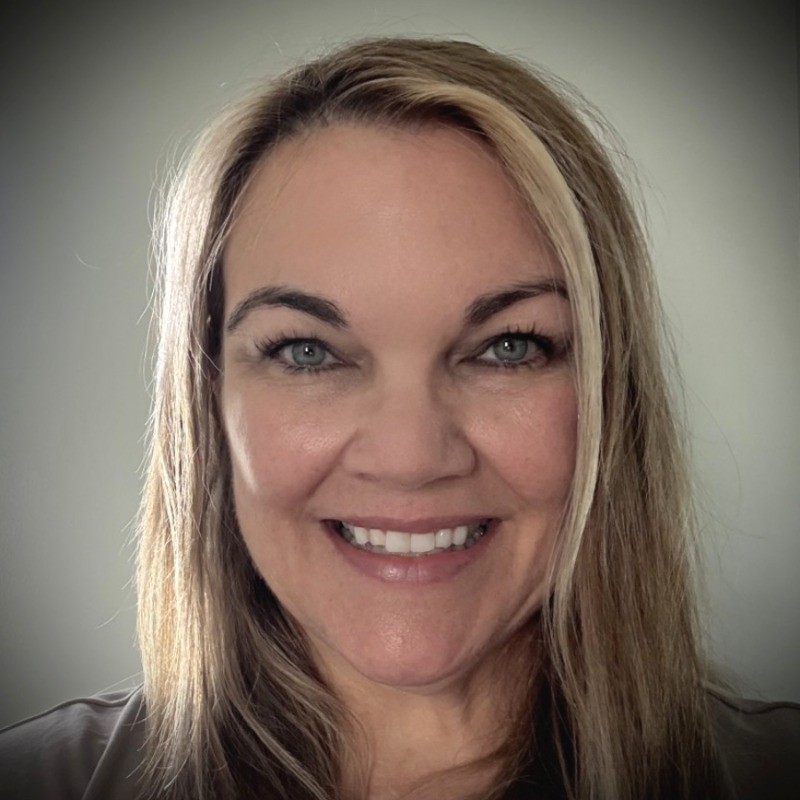
Diabetes remains one of the most serious and costly chronic diseases facing communities today. In this episode, ASTHO Vice President of Community Health and Prevention, Christi Mackie, breaks down the differences between type 1, type 2, and gestational diabetes, common symptoms parents should watch for, and why routine screenings are essential.


Diabetes remains one of the most serious and costly chronic diseases facing communities today. In this episode, ASTHO Vice President of Community Health and Prevention, Christi Mackie, breaks down the differences between type 1, type 2, and gestational diabetes, common symptoms parents should watch for, and why routine screenings are essential. The conversation focuses on prevention and management of type 2 diabetes, highlighting how public health and health care systems intersect through nutrition, physical activity, and policy initiatives such as food-as-medicine programs and SNAP waivers. The episode also examines ongoing challenges with insulin affordability and shortages, as well as growing state efforts to limit ultra-processed foods—particularly in schools—as part of a broader, systems-based approach to improving long-term health outcomes.
Policy Trends Shaping Healthy Food and Chronic Disease in 2026 | ASTHO
Leading Change Workshop | ASTHO Meeting Page
Organizational Strategic Planning Guide | ASTHO
Andrea Rivers | ASTHO Member Bio

JOHN SHEEHAN:
This is Public Health Review Morning Edition for Thursday, January 15, 2026. I'm John Sheehan, with news from the Association of State and Territorial Health Officials.
Today, we discuss one of the most serious and costly chronic diseases facing communities: diabetes. As we continue our Legislative Prospectus Series examining the public health policy trends set to shape 2026, our guest is Christi Mackie, ASTHO vice president of community health and prevention.
So Christy, let's, let's start out with the basics. What is the difference between type one diabetes and type two?
CHRISTI MACKIE:
So, diabetes is a chronic, or a long-lasting, health condition that affects how your body turns food into energy. So, there's three different types of diabetes, and I'm including gestational diabetes in this as well. So, that is type one. Type two and gestational type one diabetes is an autoimmune disorder, meaning we can't prevent it. Your body attacks itself by mistake, and this creates a reaction where your body stops making insulin. Insulin also acts as a key to let blood sugar into cells that can be used by your body as energy. So, if you don't have insulin, there's a cause and effect there, right? It creates a condition where your body has excess blood sugar, and that can be damaging to the body. So, it really does cause other serious conditions such as heart disease, vision loss, and kidney disease. Type one diabetes is typically diagnosed in children and adolescents, though it could be diagnosed later in life. Now, type two diabetes is related to insulin resistance, so, if you have type two diabetes, cells do not respond normally to insulin, and like we'd mentioned before, insulin creates a mechanism for your cells to take food and turn it into energy, essentially. So, with type two diabetes, your cells become too resistant to insulin, and your pancreas cannot make enough. That's what leads to type two. Thinking about this though, it is a highly preventable disease, meaning lifestyle factors and some genetics can play a role in this. Risk factors include excess body fat, especially around your belly and around your organs, so, that visceral fat, physical inactivity, eating processed or highly processed food, high carbohydrate foods that are saturated in fats. And then, like I'd mentioned, genetics can play a role. So, if you have biological family members who've been diagnosed with type two diabetes, your risk tends to increase exponentially for diagnosis in life.
SHEEHAN:
And you mentioned, you know, when the body is not able to convert insulin into energy, that it leads to that, that causes reactions in the body. What kind of symptoms should parents especially be on the lookout for in their kids?
MACKIE:
Sure, I think it's important to note that type one and type two diabetes, the symptoms can be similar. However, very important, type one diabetes, so symptoms can develop in just a few weeks or months and tend to be severe. Type two, the symptoms may be similar, but they develop over years, and symptoms may not be as severe or sometimes not even noticeable. So, if you have the following symptoms, it's always important to see a medical professional, your doctor, your primary care physician, pediatricians, to get blood sugar tested. So, frequent urinations, so, typically at night, people are very thirsty, very hungry, losing weight without trying. Blurred vision can be a symptom. Numb and tingling hands, tiredness, dry skin sores that don't heal very quickly, and people will notice that they have infections more frequently, and it takes longer to clear those as well. Check-ins and physicals with your primary care or your children's pediatricians are vital.
SHEEHAN:
And, sort of, related to the public health aspect of, of diabetes: there are challenges to accessing insulin. Could you tell us about that?
MACKIE:
Yeah, so we have a history since 2023 where certain brands of insulin have been periodically in shortage. And so, research suggests that high costs, localized pharmacy shortages, and insurance delays, they contribute to patient rationing, and that means, you know, they're taking less than prescribed, so, it makes it last longer, or they skip it all together. And so, a large component of diabetes management and self-management is medication adherence. If doses are missed or not taken or administered as prescribed, complications arise, and those are, they can be severe, cardiovascular disease, kidney failure, and neuropathy. So, what we see is adherence to medication is linked to better health outcomes, improved quality of life for individuals, and it reduces, ultimately, reduces health care costs. I think one other point here is that there's an assumption that many make about the affordability of insulin. Federal caps have been put into place around insulin co-pays, which applies only to Medicare. So, people who are not 65 and older typically do not qualify for Medicare, so, those out-of-pocket costs can be very high for people under 65, and this is why 29 states, including the District of Columbia, have enacted laws lowering out-of-pocket costs for insulin in, in state-regulated health plans.
SHEEHAN:
Another aspect of, sort of, public health policy right now, it involves ultra-processed foods. And I think people have an idea of what that is. It's very much in the news right now, and from a policy perspective, some states are taking, taking steps to limit them. For example, California is, has enacted legislation to phase out processed, ultra-processed foods from schools by 2035, and it's likely that schools should, should take note. What should schools start thinking about, preparing, for doing differently?
MACKIE:
Now, sure, I'm a little hesitant to make concrete recommendations at this point for schools to prepare for this, the California policy. But what we know ,the policy's directive around involvement of multiple state agencies and school systems. And now, California is moving into this space that moves from policy to implementation. So, in reality, this is going to be system transformation period. So, it's going to take multiple government agencies, education, private sector, and communities all at the table, all centering around our K-12 kiddos. But this notion that there's an agreed-upon direction, there's alignment, and there's commitment. So, establishing that now is vital to the work ahead over the next 10 years.
SHEEHAN:
Yeah, and you know, you're kind of hinting at the complexity of the situation, because while I think it, it is relatively easy to say, yeah, no ultra-processed food for kids, that you know, that seems to be something that we can totally get behind in practice. What are we talking about? What foods? How do you mean restricting them from schools? What if schools don't have any money? It's incredibly complicated. Many, many players involved in those decisions. But nevertheless, there is a will to, to enact it, right?
MACKIE:
And I think what's important to note is California did define ultra-processed foods for the purpose of K-12 meals in schools, so that they have that going for them. You know, that's a great starting point, but you touched on this too. It's so important for us to underscore like policy changes that might decrease ultra-processed foods in our diets, policies that promote eating healthier. We really need to help people be able to afford the alternative, which is being able to consume more fruits and vegetables, lean meats, and this includes accessibility, and affordability, and being able to find the food in the first place, right? So, it's not the sole responsibility of any one agency or group. We should see this as a multi-sector approach, departments of health or public health, agriculture, transportation, communities, health care, and the private sector, all working together with this clear understanding that in order to solve the puzzle here, that we need to be able to fit all the pieces together, and each one of us has a piece of that puzzle. So, I go back to this, the vital relationships and partnerships in play. We all have that role in addressing access to nutritious foods. And I mean, if we're asking individuals to make healthier choices because it is better for health outcomes, their health and prevention of chronic disease is we should create environments that are conducive to that and assure that there's access to whole food, healthy foods, fruits, vegetables, making sure that people have what they need to to make those healthier decisions.
SHEEHAN:
Christy Mackey is ASTHO vice president of community health and prevention. She joined us as part of our Legislative Prospectus Series, examining the policy trends set to shape public health in 2026.
Change is constant in public health, and leading through it takes skill. Join ASTHO for 'Leading Change,' a new in-person workshop designed for clinical and non-clinical public health professionals on March 24 and 25 at ASTHO headquarters in Arlington, VA. Participants will gain practical strategies to navigate uncertainty, strengthen organizational culture, and turn change into action through hands-on instruction and real-world tools. You'll design a concrete action plan to drive meaningful impact in your agency now and beyond. You can find a link and more information in the show notes.
ASTHO welcomes new member, Andrea Rivers, administrator for the Nevada Division of Public and Behavioral Health. Administrator Rivers began her state career with the Nevada Trauma Registry and has led initiatives in maternal and child health and public health data systems, as well as statewide programs including Nevada WIC and the Office of Analytics. Known for her collaborative leadership and belief in government's power to serve women, children, and families effectively, she has helped build systems that strengthen quality, accountability, and access to care.
ASTHO's Organizational Strategic Planning Guide provides health agencies with an overview of the organizational strategic planning process, comprised of seven major phases that an organization should complete on a recurring basis to adapt and refine their plans over time. This allows organizations to remain responsible as their needs and goals evolve. In addition, the guide reviews keys to success and highlights tips for addressing common challenges for each phase. It helps organizations better navigate uncertainties, anticipate challenges, and achieve success in their strategic planning. Find a link in the show notes.
This has been Public Health Review Morning Edition. I'm John Sheehan for the Association of State and Territorial Health Officials.